






















Sinners: 'sinners' onstage slur at 79th BAFTAs draws outcry

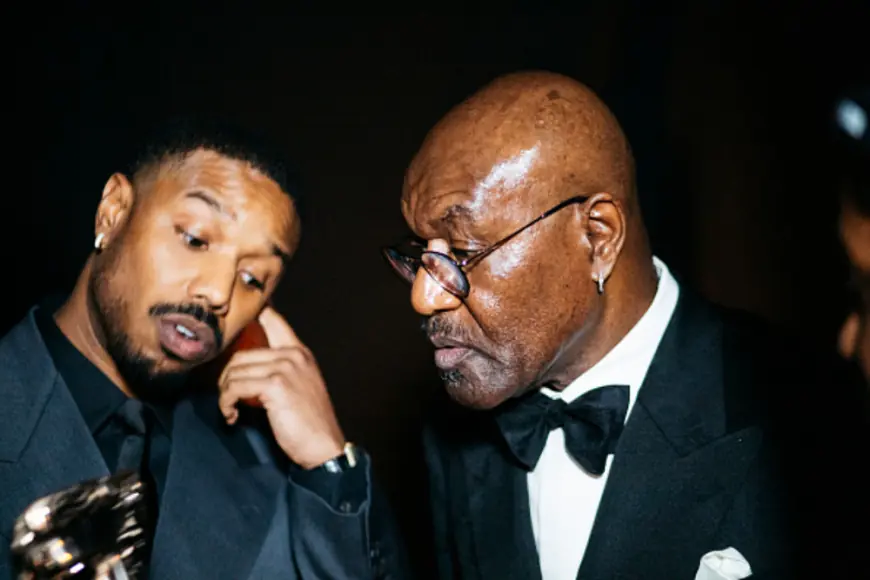
At the 79th BAFTA Film Awards a guest with Tourette syndrome shouted a racial slur while Michael B. Jordan and Delroy Lindo, stars of the film sinners, were presenting; the tape-delayed broadcast allowed the word to air unfiltered, prompting public backlash and a rare onstage explanation from the host. The episode has now produced first public remarks from Delroy Lindo and renewed scrutiny of how the ceremony was edited for transmission.
Sinners onstage interruption
During a presentation for the best visual effects category, audible outbursts from John Davidson interrupted the ceremony while the Sinners stars were onstage. Host Alan Cumming paused the program to note the disturbance and told the room that some strong language could be part of how Tourette syndrome can present for some people. One involuntary outburst included the N-word while Jordan and Lindo were presenting; audience members visibly reacted and the moment circulated widely after it aired.
Delroy Lindo's first public remarks
Delroy Lindo made his first public comments about the incident while appearing at the NAACP Impact Awards, where he thanked those who showed support following the controversy. Lindo received a standing ovation; Michael B. Jordan could be seen smiling and clapping in the audience during Lindo’s remarks. Lindo described the support as meaningful and framed the response as an example of a negative moment becoming something positive for them both.
Broadcast editing and responses
The ceremony was aired on a tape delay, and broadcasters did not remove the slur from the transmitted program. A broadcaster’s spokesperson later said the offensive language arose from involuntary verbal tics associated with Tourette syndrome and that it was not intentional, offering an apology for any offense caused and indicating the language would be removed from future postings. The decision to let the clip circulate unfiltered has become a focal point of criticism and discussion about live-event editing choices.
Context and immediate fallout
John Davidson, who was attending as executive producer of the film I Swear and who was diagnosed with Tourette syndrome at 25, has said his tics can include involuntary vocal outbursts; he later said shame and embarrassment consumed him as the tics began during the ceremony and appeared to remove himself from the theater. Members of the film community and attendees continued to discuss the episode at official events and after-parties held that night, with many noting the tension between inclusion and the handling of involuntary behavior when it affects public broadcasts.
- Key takeaways: Broadcasters aired the tape-delayed slur; Lindo publicly thanked supporters; the incident has focused debate on editing choices and how disability-related behavior is handled during major ceremonies.
Looking ahead, organizers and broadcasters face decisions about how to edit and present material from large-scale ceremonies that both include people whose lived experiences are central to nominated films and aim to avoid amplifying offensive language. If edits are applied inconsistently, that inconsistency may continue to provoke scrutiny from artists, attendees and viewers. The immediate public response and Lindo’s visible reception at a subsequent appearance suggest the story will remain part of awards-season coverage in the near term.