
























Israel Strikes Beirut Following Hezbollah Rocket Attack

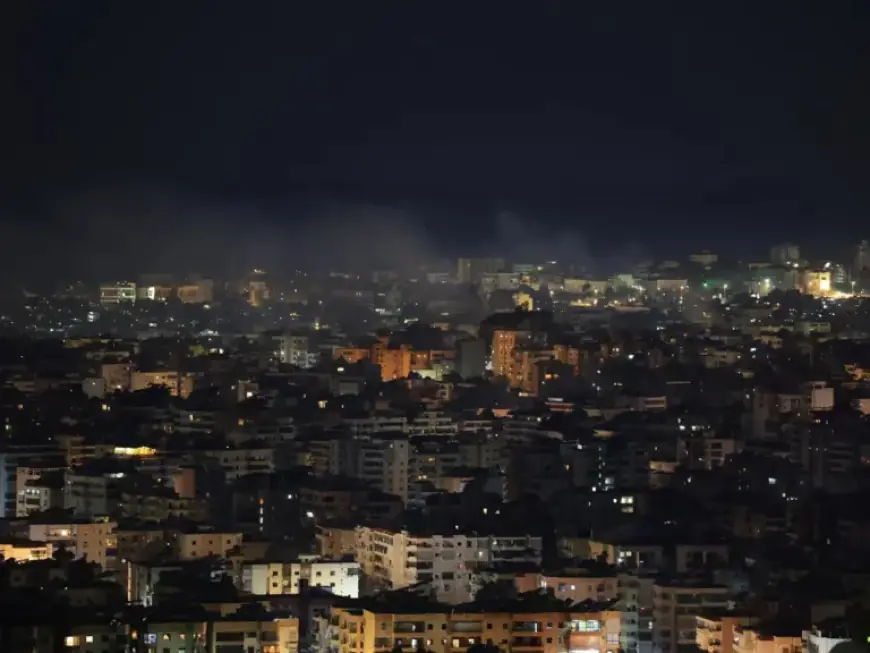
Recent hostilities have escalated significantly in the region, with Israel conducting airstrikes in Beirut. This action follows a rocket and drone assault launched by Hezbollah against an Israeli military installation near Haifa. Hezbollah claims the attack was a response to the assassination of Iranian Supreme Leader Ali Khamenei and cited defense of Lebanon and its populace.
Context of the Conflict
On early Monday, 2 March 2026, Hezbollah stated that their military action was necessary due to what they termed repeated Israeli aggressions. The group emphasized their right to self-defense, particularly in light of the ongoing Israeli operations in Lebanon.
Statements from Hezbollah
- “The resistance leadership has always affirmed the right to defend ourselves,” Hezbollah declared.
- They accused Israel of a prolonged aggressional campaign and the assassination of their leaders.
- The group’s statement asserted the need for a forceful response to Israeli actions.
Israeli Military Response
The Israeli military reacted swiftly to the attacks, launching airstrikes targeting southern Beirut and multiple villages throughout southern Lebanon, including the Bekaa Valley. A spokesperson for the Israeli military stated that they are “vigorously attacking Hezbollah” to prevent any threat to Israel’s northern territories.
Strategic Military Targets
- The Israeli airstrikes aimed at key Hezbollah figures in Beirut and southern Lebanon.
- Further details regarding specific targets were not disclosed by the Israeli military.
Impact on Lebanon
These developments come at a time when Lebanon is grappling with severe economic and political challenges. Tensions have been heightened since the 2024 ceasefire between Hezbollah and Israel, which has been consistently violated by Israel. The Lebanese government had previously initiated a decree aimed at disarming Hezbollah, a measure the group has resisted, arguing their military capabilities are essential for national defense.
Reactions from Lebanese Leadership
The Lebanese Prime Minister, Nawaf Salam, condemned Hezbollah’s actions as reckless. He voiced concerns that such actions compromise the nation’s security and provide justification for Israel’s ongoing military campaigns. Salam pledged to implement measures to safeguard Lebanon and apprehend those responsible for escalating violence.
Conclusion
The situation continues to evolve with potential implications for regional stability. As both sides prepare for further military engagements, the prospect of lasting peace remains uncertain.