























Old Firm at Ibrox Between Second and Third Carries Double Jeopardy

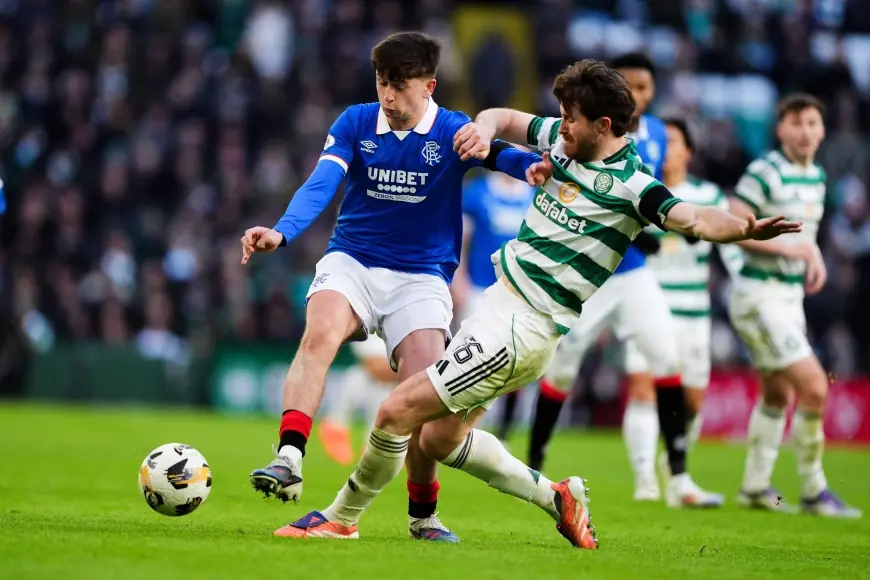
The old firm match at Ibrox on 01. 03. 2026 is no ordinary derby: Rangers and Celtic meet in the Scottish Premiership with an announced attendance of 50, 129 and a situation that makes a draw of little use to either side. The urgency comes from the league table and the turmoil off the pitch that has left Celtic directionless while Rangers push to convert heavy spending into progress.
Ibrox Stadium: fixture details and unavailable live blog
The fixture is scheduled for 01. 03. 2026 at Ibrox Stadium as part of the Scottish Premiership. A planned live commentary blog connected to the match was unavailable at the time of publication, limiting one channel of real-time coverage for supporters.
Martin O'Neill turns 74 on derby day
Martin O'Neill turns 74 on the day of the game, a fact noted alongside the intensity of the fixture; the birthday will be eclipsed for many by the match itself, where points are the overriding concern. Observers say a draw is of little use to either club now, and the fixture "demands a winner, " with the consequence that the loser will face significant wrath from sections of their support.
Andrew Cavenagh, Rangers clear-out and transfer spending
Rangers' owner Andrew Cavenagh made sweeping changes in recent months, removing a manager, a chief executive and a sporting director, and then invested heavily in the playing squad. The club registered a reported £20m net spend in the summer and then spent millions again in the January transfer window, moves intended to demonstrate ambition and to back manager Danny Rohl, who is described as popular.
Celtic board tensions, managerial vacuum and the "Celtic Way"
Celtic arrive at Ibrox without a manager in place and with internal divisions that have left many supporters "apoplectic" with the board and split on how to express that anger. The club's recent appointment history — including Wilfried Nancy — and the presence of the same decision-makers for the next managerial search have fuelled accusations on social media, where interlocutors are arguing and "accusatory language is flying. " The pervasive toxicity on platforms is draining and self-defeating, complicating any quick route to stability. With no manager to lead a rebuilding, Celtic look directionless and face added jeopardy in Sunday’s encounter.
European income and the widening threat from Hearts and Motherwell
Over the past decade Celtic have generated an estimated £195m from prize money and television rights, and have realized major transfer profits: three players sold for £25m each, another five for between £10m and £20m, and a series of sales in the £5m–£10m bracket. The club also holds £67m in cash reserves. Rangers have made close to £100m from European football in the same period. Hearts have earned about a tenth of Rangers' European haul, and Motherwell have made about a tenth of what Hearts have made. Those financial contrasts have not prevented the current league leaders from disrupting expectations—Hearts are proving stubborn at the top and remain ahead under Derek McInnes—while Motherwell, managed by Jens Berthel Askou, are winning, entertaining and described as almost incapable of conceding a goal in the league.
The cause-and-effect is clear: Hearts' unexpectedly resilient form and Motherwell's rise have squeezed the traditional Old Firm dominance, which in turn has transformed the derby into a match with tangible league consequences rather than simply bragging rights. What makes this notable is that both clubs face external pressure from rivals and internal pressure from supporters and decision-makers, so the game matters for championship math and for institutional momentum.
Match stakes for Rangers and Celtic
Both clubs enter the fixture in states described as soap operas across the season: Rangers are judged to be pointing in the right direction after boardroom action and January recruitment, while Celtic are judged to have a great deal of work to do to find direction and a manager to execute it. The immediate effect of a decisive result will be a tangible shift in league momentum—boosting one club’s prospects while intensifying scrutiny and unrest at the other.
Fans of the two clubs will carry different emotions into the clash: Rangers supporters, it is argued, have relatively fewer grounds for complaint following ownership investment and a popular manager, whereas Celtic supporters are angrier and more frustrated, with their ire focused on the boardroom and the club’s lack of clear leadership. The Old Firm context amplifies those feelings, ensuring that outcome and aftermath will be fiercely felt across Glasgow and beyond.
One related preview available carried a paywall notice stating "Enjoy unlimited access to all articles. Ends soon, " limiting access to some coverage for readers.