

























Iran Conflict Spurs 10% Oil Surge, Analysts Warn Prices May Hit $100

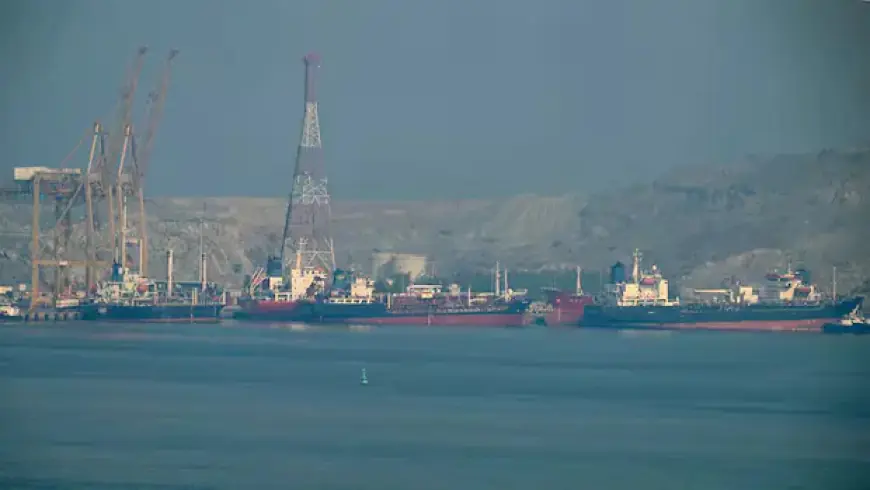
Brent crude oil surged by 10% to approximately $80 per barrel this past Sunday. Analysts suggest prices could soar to $100 as tensions escalate in the Middle East. This follows recent U.S. and Israeli military strikes on Iran, which have raised fears of a new regional conflict.
Rising Oil Prices Amid Conflict
The global oil benchmark experienced a significant increase, reaching $73 per barrel on Friday, marking its highest price since July. However, this surge is largely attributed to worries about ongoing instability in the region.
Impact of Strait of Hormuz Closure
Key factors influencing this price spike include the potential closure of the Strait of Hormuz. Ajay Parmar, energy and refining director at ICIS, indicated that military actions are indeed supportive of oil prices, but the closure of this critical waterway could exacerbate the situation.
- Over 20% of global oil travels through the Strait of Hormuz.
- Most tanker owners are halting deliveries through this route following Iranian warnings.
Parmar predicts prices could open closer to $100 per barrel if the conflict continues to impact oil shipments. RBC analyst Helima Croft echoed this sentiment, cautioning that a war with Iran could push prices beyond the $100 mark.
OPEC+ Response and Market Predictions
In response to market conditions, OPEC+ has decided to increase oil production by 206,000 barrels per day from April. This adjustment represents a modest contribution, accounting for less than 0.2% of global demand.
Supply Concerns and Alternative Resources
The possible closure of the Strait of Hormuz could result in a supply gap of 8 to 10 million barrels per day, despite efforts to reroute shipments through alternative pipelines in Saudi Arabia and Abu Dhabi. Rystad Energy economist Jorge Leon estimates that oil prices could rise by $20, potentially reaching around $92 per barrel when trading resumes.
- Asian governments and refiners are evaluating their oil stockpiles.
- India may seek to import Russian oil to mitigate the potential loss of Middle Eastern supply.
The current geopolitical climate emphasizes the fragile state of oil markets and the significant influence that regional conflicts can exert on global prices. As tensions continue to rise, stakeholders are closely monitoring developments for their potential impact on oil supply and pricing.