























Futures in Flux: How Trump’s Agreed Talks and Deadly Strikes Recast the Path Forward

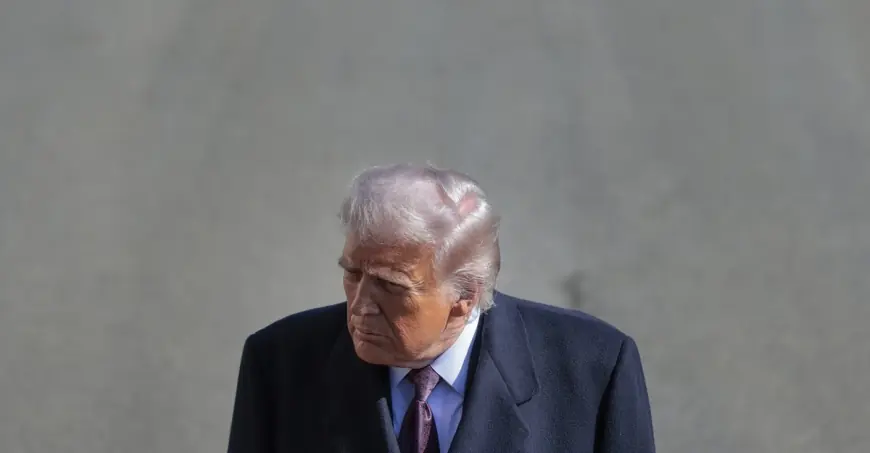
What changes now is the balance between combat and diplomacy. With U. S. and allied strikes that killed Iran’s supreme leader and left American service members dead and wounded, the president says Iranian leaders want to resume negotiations and that he has agreed to speak with them. Those competing currents—continued operations on the ground and an offer to talk—are the immediate test of how futures for the region and for U. S. forces will unfold.
Futures hinge on whether talks can proceed while combat continues
Here’s the part that matters: negotiations and military action are happening at once. The president spoke by phone from his Mar-a-Lago resort and said he plans to take a conversation with Iranian counterparts who, he said, want to talk. Yet military officials announced U. S. casualties—three service members killed and five seriously wounded—after the exchange, underlining that combat operations remain active.
That overlap raises practical and political consequences. If talks move forward while combat is ongoing, negotiators will operate under acute pressure and real-time casualties. If combat operations continue without pause, prospects for a stable negotiation track shrink. The bigger signal here is that the two tracks—talks and strikes—are not mutually exclusive at present, which complicates any short-term forecast for de-escalation.
What happened, in context
U. S. and allied strikes on Iran killed Ayatollah Ali Khamenei, an action that the president said has embroiled the region in war. The president described that some of the Iranian figures involved in recent negotiations are no longer alive, calling the losses “a big hit. ” He declined to commit to a timeline for the conversation, saying he "can’t tell you" whether it would happen immediately.
Following the strikes, the president posted a video urging the people of Iran to rise up against their regime once the bombing campaign ended and said he was pleased with certain celebratory reactions he observed, including gatherings by expatriate Iranians. He also acknowledged large anti-war protests taking place near those celebrations. He warned that the situation is dangerous and said people should stay in place. When asked about any indication of renewed threats to the U. S. homeland, he declined to provide an answer.
- Relative sequence: one day after strikes that killed Iran’s supreme leader, the president said Iranian leaders want to talk and he agreed to speak with them.
- Soon after the president’s phone conversation, military officials announced three U. S. service members were killed and five more seriously wounded.
- The president publicly encouraged Iranians to rise up and noted both celebrations and anti-war protests in multiple cities.
It’s easy to overlook, but the president’s simultaneous public encouragement of unrest and willingness to enter talks creates a rare mix of coercion and diplomacy that will test both strategies in short order.
Quick reader Q&A
Q: Will the conversation happen immediately?
A: The president said he has agreed to talk but would not specify whether the call would occur today or tomorrow.
Q: Do ongoing military operations affect the talks?
A: Military officials announced U. S. casualties after the president’s comments, showing that combat operations are active while a negotiation track is being proposed.
Q: Are people in Iran reacting uniformly?
A: No. The president cited celebratory reactions and expatriate gatherings, while large anti-war protests have also taken place nearby.
Signals that will clarify the immediate direction include whether the president sets a clear schedule for the conversation, any pauses or escalations in combat operations after U. S. casualties are announced, and observable shifts in public demonstrations. If the conversation proceeds and is followed by reduced military action, that would indicate a tilt toward diplomacy; if strikes continue or expand while talks are only nominal, futures for stabilization look more precarious.
For readers tracking this closely: stay alert for formal timing of any conversation and for official changes in military posture; details announced after these initial statements will determine whether diplomacy can make headway under ongoing combat conditions.