

























Israel Launches New Attack, Triggers Explosion in Iran’s Capital

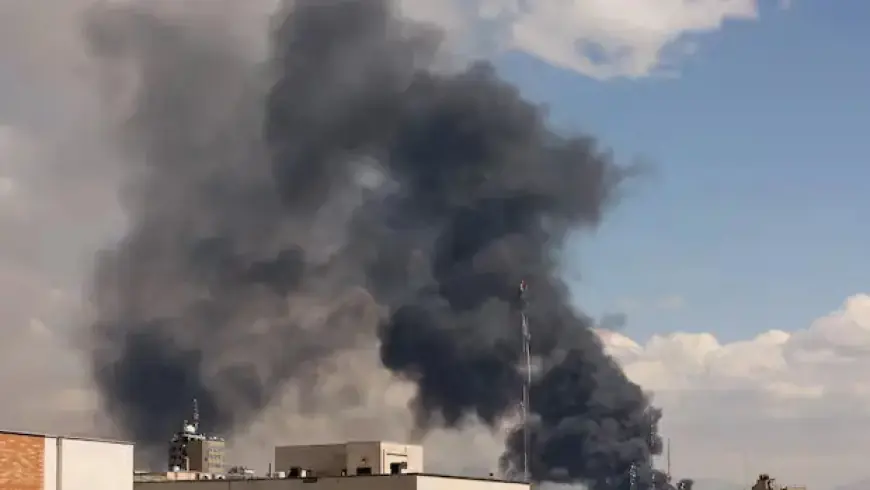
Amid escalating tensions in the Middle East, Iran has vowed to retaliate following the assassination of its Supreme Leader, Ayatollah Ali Khamenei, during coordinated attacks by the United States and Israel. This marks a significant turning point in a conflict that has seen over 200 Iranian casualties since the commencement of U.S.-Israeli airstrikes.
Details of the Strike on Iran
The airstrikes, which began over the weekend, resulted in widespread destruction and chaos in Tehran, where large plumes of smoke billowed over government buildings. Iranian officials reported that more than 200 individuals have been killed, while reports of widespread injuries have emerged, including at least 120 wounded in Israel from counterattacks.
Counterattacks from Iran
- Iran launched missiles targeting Israel and Gulf Arab countries in retaliation.
- Reports of strikes affected civilian areas, with a notable strike hitting a synagogue in Beit Shemesh.
- Missiles and drone attacks have also been directed at U.S. military bases in Bahrain and the United Arab Emirates.
Responses and Reactions
In the wake of Khamenei’s death, Iranian officials declared, “You have crossed our red line and must pay the price,” indicating the intent for severe retaliation. Iranian President Masoud Pezeshkian announced that a leadership council is being formed to select a successor quickly.
Impact on Civilians and Security Measures
Despite calls for uprising from U.S. President Donald Trump, streets in Tehran were largely empty as residents took cover from ongoing airstrikes. The Basij paramilitary group has been evident, setting up checkpoints throughout the city.
International Fallout
The conflict has created instability beyond Iran, with protests erupting at the U.S. Consulate in Karachi, Pakistan. Clashes with authorities resulted in fatalities as tensions rise across the region. Such events underscore the volatile nature of the situation.
Economic Concerns and Flight Disruptions
The ongoing military actions have disrupted air travel, with major airlines suspending flights in and out of key Middle Eastern hubs. Notably:
- Emirates Airlines ceased all flights to and from Dubai.
- Qatar’s main airport remained closed due to safety concerns.
- More than 1,800 flights across the region were canceled or diverted.
Future Implications
The attacks signal a potential escalation in military actions against Iran. President Trump warned that any retaliation from Iran would lead to even more severe consequences. The situation continues to evolve, creating an uncertain climate for regional stability.
As the conflict unfolds, it is crucial for global observers to monitor the impacts on international oil markets and the overall geopolitical landscape as the Middle East braces for potentially more turbulence ahead.