
























Terrorist Attack plot alleged after manifesto and more than 1,000 rounds found at Bindoon home

A 20-year-old man from Bindoon has been charged with preparing a terrorist attack after police discovered a manifesto-style document and a large cache of ammunition during a search of his home. The discovery prompted multiple criminal charges, a refusal of bail and a scheduled return to court.
Manifesto and weapons seized in alleged Terrorist Attack plan
Investigators with the Western Australia joint counter-terrorism team say they had been monitoring the man’s online activities as part of an inquiry into alleged antisemitic, Islamophobic and racially motivated online hate speech. That scrutiny led police to search his residence in Bindoon, about 75km north of Perth, where officers say they found a manifesto-style document outlining plans for a nationalist and racist ideologically motivated act of violent extremism involving mass casualties.
Police also seized a butterfly knife, ammunition for a firearm for which the man was not licensed, and more than 1, 000 rounds of ammunition that had not been stored securely. The combination of the document and the weapons evidence resulted in charges including preparing a terrorist attack, possession of a prohibited weapon, two firearms offences and using a carriage service to menace or harass.
Because investigators linked the online material to potential real-world targets, the search produced what authorities describe as actionable evidence. That evidence produced the immediate legal consequence of charging the 20-year-old and his subsequent refusal of bail; he is next due to appear in court on 23 March.
Prime Minister Albanese and Minister Burke respond
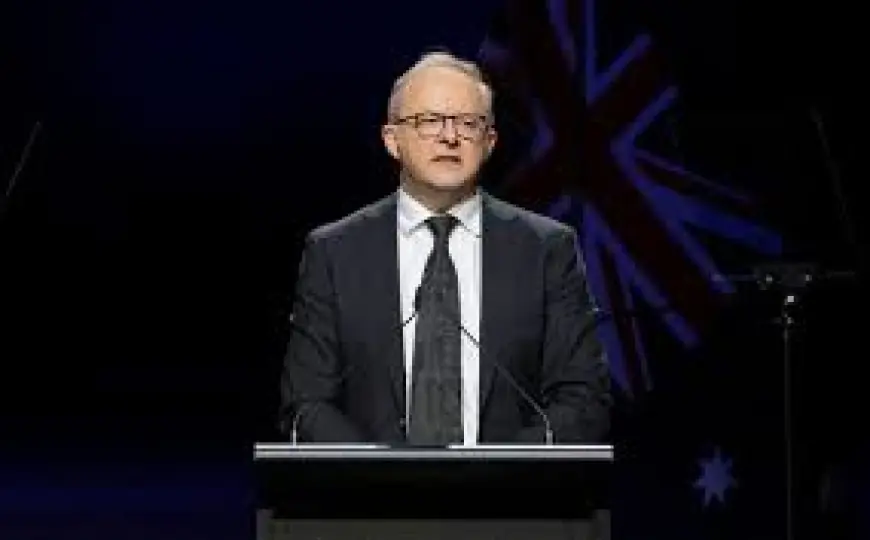
Prime Minister Anthony Albanese described the allegations as "deeply shocking" and said the Australian Federal Police commissioner had briefed him on the matter. The alleged targets named by police include mosques, Western Australia police and parliament, a combination the prime minister said was particularly distressing and merited the full force of the law.
Home Affairs Minister Tony Burke warned that Australia’s Muslim community had been experiencing increased levels of Islamophobia and emphasised that security agencies have been alerting officials to a changing threat environment. Burke noted that multiple ideologies can foster rapid radicalisation and that white supremacist belief systems can encompass antisemitism and Islamophobia; he warned the risk of violence rises when those who promote hate feel emboldened.
Australian Federal Police commissioner Krissy Barrett provided a briefing to the prime minister as investigators advanced the case. The decision in court to refuse bail reflected the seriousness of the charges and the scale of the material seized at the property.
What makes this notable is the combination of explicit targeting, a manifesto that referenced mass casualties and a large unsecured ammunition stockpile—factors that elevated the response from monitoring to criminal charges.
The accused, named in court filings, appeared at a Perth magistrates court where the matters were laid out and formal charges entered. The court set a further appearance for 23 March; meanwhile, law enforcement agencies continue to assess the online material and physical evidence recovered in the investigation.
The unfolding case has prompted public statements from senior officials stressing a need to reduce inflammatory rhetoric and to remain vigilant against racially or religiously motivated prejudice. Authorities emphasised that everyone in the community has a right to safety and that such allegations will be pursued under the criminal law.