

























Iran Conflict Threatens Strait of Hormuz, Sparking Potential Global Economic Chaos

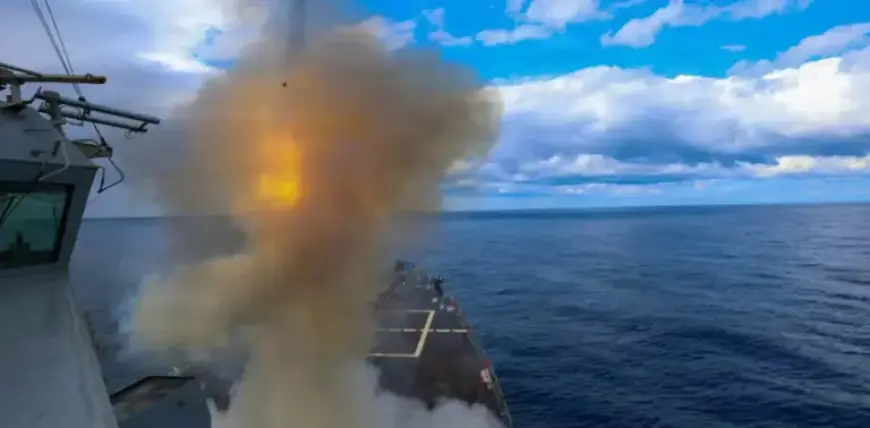
The ongoing conflict in Iran has escalated tensions in the Strait of Hormuz, a critical maritime chokepoint. Recent reports indicated that several Iranian naval vessels were struck by U.S. missiles in the Gulf of Oman. This incident underscores the significance of the Strait of Hormuz, especially following missile strikes launched by Israel and the U.S. against Iran on February 28.
Importance of the Strait of Hormuz
The Strait of Hormuz is pivotal for global energy supplies, with nearly 20% of the world’s oil passing through this narrow passage. Approximately 20 million barrels of oil are transported daily, making it the most crucial energy chokepoint worldwide. Any disruption in this area could send shockwaves through global markets and supply chains.
Recent Developments
- The conflict has prompted Iranian military responses, including alerts claiming that the Strait of Hormuz is closed.
- Despite these claims, physically blocking the strait would be challenging due to its dimensions and the U.S. naval presence.
- Shipping companies like Hapag Lloyd and CMA CGM have suspended transit through the area for safety.
Impact on Global Trade
Recent tensions have triggered a slow down in vessel movements. Various ships are delaying entry into or exit from the Persian Gulf, while some are diverting altogether. The United Kingdom Maritime Trade Operations Centre has issued warnings regarding the heightened risk of miscalculations near military units.
Several ports, including Dubai’s Jebel Ali Port, have had operations halted due to fire-related incidents from intercepted missiles. These disruptions are critical as the Strait of Hormuz is crucial for oil tankers and liquid natural gas carriers. Notably, one-third of the world’s fertilizer trade also passes through this strait.
Economic Consequences
Countries heavily reliant on the Strait of Hormuz, such as India, have activated emergency plans to secure energy supplies. India imports about half of its crude oil from this region. While Saudi Arabia and the UAE have alternative pipelines bypassing the strait, their capacity is limited to 2.6 million barrels per day—significantly lower than normal shipments.
- Oil prices are projected to climb to approximately $100 per barrel following the market’s reopening.
- The Organization of the Petroleum Exporting Countries (OPEC) aims to stabilize the situation by modestly increasing oil output.
Potential for Escalation
The situation remains precarious, with the likelihood of catastrophic outcomes if tensions continue to rise. A tanker sinking in the strait could have dire environmental impacts and cause prolonged disruption to maritime navigation.
Previously, it seemed improbable that Iran would close the Strait of Hormuz due to potential backlash and economic repercussions. However, with regime change being a target of the U.S.-Israeli actions, Iranian leadership might view the closure as a justified measure amidst the conflict.
The ongoing volatility in this region poses significant risks to the global economy and supply chains, creating urgent need for diplomatic resolution to avert further escalation.