























Dubai Airport named in wider regional wave of strikes as crowds flee fireball in Doha — who feels the impact first

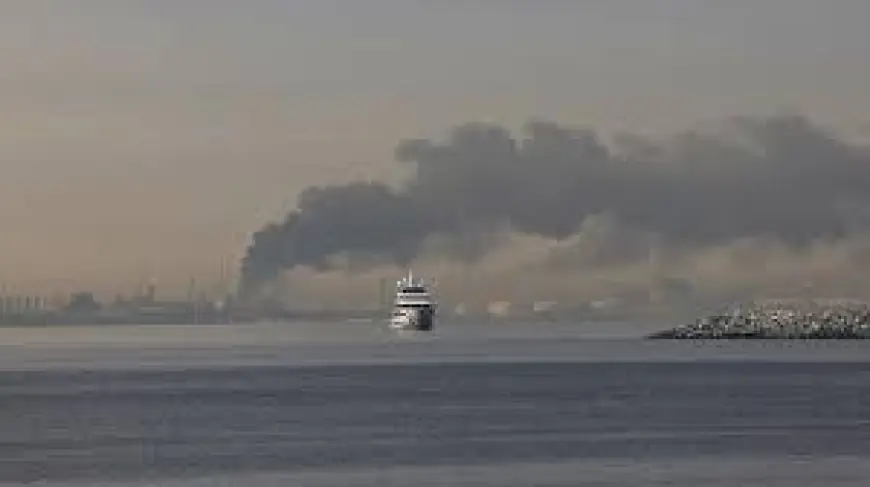
What matters now is how civilians, humanitarian operations and major travel hubs are absorbing a sudden spike of regional violence. Dubai Airport appears in circulation as one of the high-profile locations tied to headlines about missile strikes, while video from Doha shows people running as a fireball erupts behind them. The disruption reaches military sites, relief routes and crowded public spaces — and the immediate victims are residents, aid-dependent civilians and families already trapped by conflict.
Dubai Airport’s mention signals pressure on travel and logistics
Separate headlines have linked Dubai Airport and the iconic Burj Al Arab hotel to damage in missile strikes, elevating concerns about cross-border effects on civil aviation and tourism infrastructure. Here’s the part that matters: if major transport nodes are perceived as at risk, airlines, cargo routes and humanitarian logistics could be disrupted even where direct physical damage is unclear.
What happened on the ground: Doha blast and intercepted missiles
Video shows people running down a street in Doha, Qatar as a fireball erupts behind them. Qatar's defence ministry said it has intercepted several missiles, apparently targeting the al Udeid air base, the largest American military base in the region. Crowds fled in panic while emergency responses unfolded; beyond the dramatic footage, the immediate toll and exact sequence remain unclear in the provided context.
Humanitarian strain and urgent warnings
A UN humanitarian chief warned that about 14, 000 babies will die in 48 hours if aid does not reach them, underscoring how a deterioration in security could have lethal consequences. More aid has been allowed into Gaza since the ceasefire began three months ago, but the UN says it is nowhere near enough. Tom Fletcher described scenes of despair on a recent trip to the coastal enclave and said more aid trucks were entering Gaza, while emphasizing it remains a "huge job" to get vital supplies to those in need.
- Immediate humanitarian risk: roughly 14, 000 babies at risk within 48 hours without aid.
- Relief logistics: increased aid trucks are getting in, but distribution and volumes remain insufficient.
- Security overlay: intercepted missiles near al Udeid create extra obstacles for relief and military movement.
- Public perception: headlines tying Dubai Airport to strikes amplify commercial and civilian unease.
Detentions, prisons and the regional crackdown
Kurdish-run prisons hold about 8, 000 suspected IS fighters and around 34, 000 of their family members in camps, a sizeable population that remains a regional security and humanitarian challenge. Relatives of 26-year-old Erfan Soltani, who was detained last week, say he is due to be executed on Wednesday. Verification teams have been examining disturbing footage from a mortuary in Tehran showing scores of bodies that could hold clues about internal conditions.
Domestic unrest, voices on the streets and everyday life
Anti-government protests in Iran have continued for the 13th consecutive day, with the protests now in their 13th night. The demonstrations erupted over the economy and have grown into the largest in years; verified video shows protesters chanting anti-government slogans. The protests on Thursday appear to be the most widespread since the movement began on December 28. John Sudworth noted that the sounds of heavy machinery can be heard echoing around the neighbourhood, and Hugo Bachega has been speaking to Syrians about how life has changed since the revolution.
Snapshots of civilian life and individual loss
Hundreds gathered in Manger Square to take part in festivities that included music, dancing and Santas bearing sweet treats; the same reporting notes that the vehicle which transported the late Pope Francis on a visit to Bethlehem in 2014 was part of recent visual coverage. Shadi Abu Sido said an Israeli prison officer told him his family had been killed — a personal account that reflects the human cost threaded through these wider events.
The real question now is whether headlines linking major hubs like Dubai Airport and landmark hotels to strikes will translate into lasting disruption for travel and aid corridors. What's easy to miss is how these disparate items — intercepted missiles near al Udeid, footage of public panic in Doha, worsening aid shortfalls and mass detentions — form a single, escalating pressure on civilians and relief networks.
Writer's aside: It’s easy to overlook, but the combination of battlefield strikes, mass protests and humanitarian warnings suggests the coming days will be measured less by single events and more by whether aid and civilians can move safely amid growing regional tension.