
























Shivam Dube Endures Historicly Expensive Two-Over Spell as India Rally to Big Win in Chennai

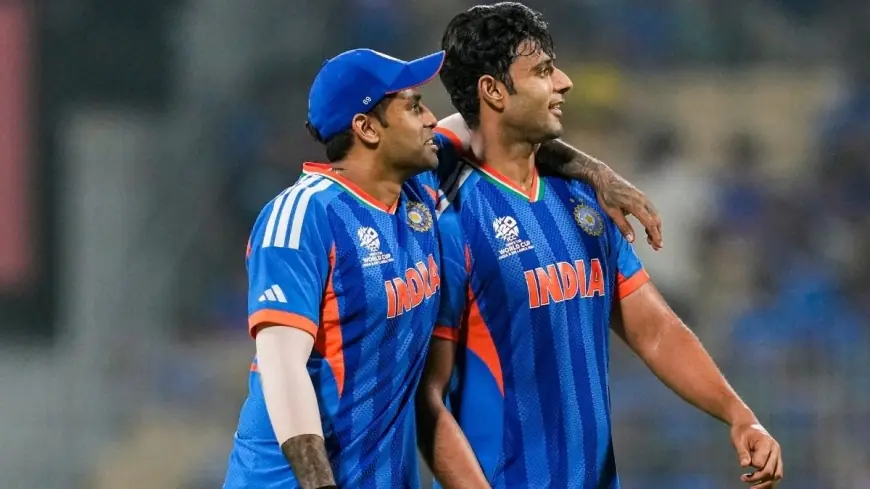
shivam dube endured a rare and costly outing with the ball as India secured a commanding win over Zimbabwe in the Super 8 of the T20 World Cup at the MA Chidambaram Stadium. The all-rounder’s two overs yielded 46 runs, a sequence that set an unwanted tournament record and provoked sharp commentary even after a dominant batting display helped India to a huge total.
Shivam Dube's two-over spell: the numbers and the record
The bare figures underline how dramatic the short spell was. Brought on as the sixth bowling option, the bowler leaked 46 runs across two overs and finished with an economy of 23. 00 and one wicket. The first of those overs proved particularly costly: a 15th over that produced 26 runs with a mix of boundaries, wides and a no-ball. A finish-of-innings 20-run over completed the tally, including a six and a four on the final two deliveries. Those 46 runs now stand as the most conceded by a bowler in the first two overs of his spell in a T20 World Cup match.
How the Chennai match context softened the blow
India’s batting explosion on the same night limited the practical damage of that bowling lapse. The hosts posted 256 for 4, the highest total of the tournament, with several big contributions throughout the innings. Key middle- and late-order hitting turned the match into a run-fest on a batting-friendly Chepauk surface, leaving India with the luxury to experiment with bowling options and focus on winning rather than elevating net run rate.
Still, the timing and nature of the overs raised tactical questions. The bowler looked short of rhythm and accuracy, struggling to find a consistent line and length and failing to hit the off-side cut strip regularly. Wides and no-balls compounded the problem, transforming a two-over cameo into a record-setting statistical low point.
Reaction, ramifications and what's next
The performance drew blunt analysis from a senior former India opener, who singled out the issues with where the bowler was pitching and questioned the decision-making around using a sixth seamer that way on a batting track. That critique noted that India's match situation—comfortably ahead on runs—likely encouraged the team to give extra practice to part-time and backup options rather than deploy frontline bowlers for the full allocation.
From a tournament perspective, the result mattered more than any single expensive over: India’s victory by 72 runs keeps their semi-final prospects intact. Still, the outing leaves a selection and role-management question open. The team’s established frontline bowlers remain intact, but this incident highlights the risk of relying on a deeper cast in high-stakes moments unless control and discipline can be assured.
For the player involved, the immediate focus will be on restoring bowling rhythm and accuracy ahead of tougher assignments. The match also serves as a reminder that even big team wins can contain individual performances that require attention. Expect the coaching staff to weigh the value of giving practice under match conditions against the potential costs of short-term experimentation in knockout-qualification scenarios.
shivam dube’s expensive night at Chepauk will be recorded in the tournament’s stats and revisit conversations about role clarity, situational bowling choices and the limits of late-innings experimentation. Details around any follow-up plans for the player’s role in upcoming matches may evolve, and further updates are possible as the team finalizes its approach for the knockout phase.