























Pakistan and Afghanistan’s Complicated Conflict: Expert Calls It a Historical Irony

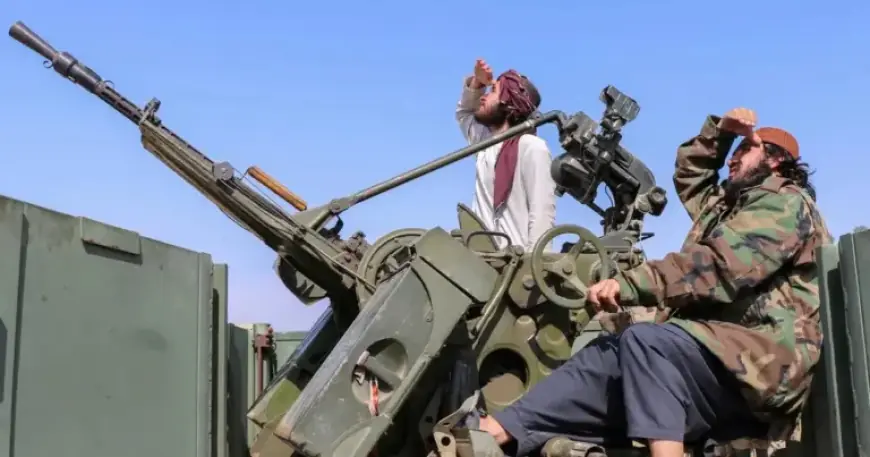
The ongoing conflict between Pakistan and Afghanistan has deep historical roots and complex dynamics. Recent events have illuminated this intricate relationship, characterized by local tribal ties and political maneuvering. The current situation in Afghanistan reflects a significant irony, particularly the historical interaction between the two nations.
Pakistan and Afghanistan’s Complicated Conflict: A Historical Irony
Experts suggest that the conflict is akin to a war between Pakistan and the Pashtun people. The Taliban, who historically have connections across the border, continue to play a central role. Recently, regarding border skirmishes, Pakistani forces reportedly killed over 130 Afghan Taliban fighters.
Local Allegiances and Tribal Traditions
The Taliban receives varying levels of support from different factions within Afghanistan, often driven by tribal relationships rather than official government policies. In the Pashtun culture, it is customary to assist relatives, which complicates any efforts to delineate where loyalties lie.
- Taliban fighters have strong local ties across the Pakistan-Afghanistan border.
- Support for the Afghan Taliban comes more from tribal traditions than from the Kabul government.
The Role of Pakistani Intelligence
Pakistan’s intelligence agency, the ISI, has historically supported different factions of the Taliban. This support has created a dual-faced challenge where Pakistan faces threats from the groups it once helped nurture. While the Pakistani government could theoretically eliminate high-ranking Taliban leaders, the complexities involved suggest this may not be a straightforward solution.
The Military Capabilities of Pakistan
Pakistan possesses a strong military, particularly its air force, which showcases superior capabilities compared to Afghan forces. However, a land offensive could incite more chaos and violence, potentially leading to escalated terrorist attacks within Pakistan.
- Pakistan has proven air assets capable of targeting goals within Afghanistan.
- The current military interaction is limited and has led to stable, though tense, relations.
India’s Influence on the Conflict
The dynamics of the Pakistan-Afghanistan conflict are further complicated by India’s involvement. Islamabad perceives any support from India to the Taliban as a direct threat. Historical animosities contribute to Pakistan’s wariness of India’s actions in Afghanistan, fearing encirclement amidst escalating tensions.
Looking Ahead
The situation in the region remains volatile and interconnected. The likelihood of US-Iran tensions escalating may offer Pakistan a window to solidify its interests in Afghanistan. As the conflict continues, the attention it receives may fluctuate based on broader geopolitical developments.
Understanding the historical irony of Pakistan and Afghanistan’s relationship provides crucial context for the ongoing conflict. As both nations navigate these challenges, the complexities of their interconnected fates will undoubtedly shape future interactions.