
























Mamadou Sarr’s comeback at Chelsea: who feels the change first and why the squad shifts matter

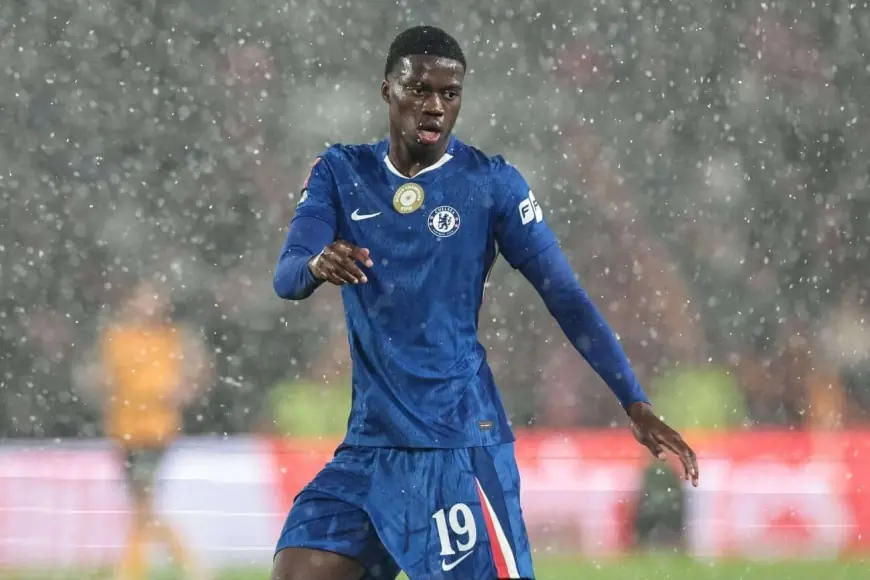
Here’s why this matters now: mamadou sarr’s recall is not just a roster update — it immediately affects Chelsea’s defensive group and the coach-player dynamic. At 20, he comes back from a loan in Ligue 1 having taken on vice‑captain responsibility and gained maturity. That mix of familiarity with the club and new leadership experience changes how the squad will absorb him, and who inside the dressing room notices the shift first.
Mamadou Sarr and the immediate impact inside the squad
This return centers on two clear advantages: comfort with the environment and new on-field authority. He said he felt at ease from day one after rejoining, noting prior knowledge of teammates eased the reintegration. That ease matters for squad chemistry; players who slot back in without friction reduce disruption in training routines and match preparation.
The reunion with Liam Rosenior, the coach who worked with him for a season and a half at Strasbourg, is a second structural factor. Having a coach who already understands a player’s habits and strengths should accelerate tactical alignment and reduce the usual settling-in period. It also reinforces the player’s motivation for the return, which often translates into sharper focus in sessions and clearer communication in defensive work.
What’s easy to miss is how vice‑captain experience at another club translates into subtle leadership: choosing example over words can shift small daily behaviors in a squad — punctuality in meetings, intensity in drills, and responsibility in defensive organization.
How the Strasbourg loan and coach reunion shape the comeback
Rather than a simple recall, the recent sequence included a Ligue 1 spell that the player describes as formative. Playing at Racing provided him with increased responsibility — he served as vice‑captain — and he highlights that the role accelerated his maturation. He prefers to lead by attitude on the pitch, using his conduct to pass knowledge to teammates.
The transfer back to Chelsea followed that loan, and the prior connection with Rosenior should smooth tactical reentry at Stamford Bridge. The player emphasized he knows Rosenior’s methods and considers him an excellent coach; that prior relationship is framed as a practical facilitator of training and match prep at the parent club.
- First reactions: the defensive unit and coaching staff will register the return immediately through training dynamics and player leadership.
- Signs of successful reintegration: visible leadership in sessions, consistent inclusion in group drills, and the familiar coach-player communication already noted.
- Stakeholders most affected: teammates who share the backline and younger players who can learn from his example-led approach.
- What could confirm progress: steady presence in team routines and the continuation of the responsibilities he held while on loan.
The real question now is how that blend of comfort and new maturity will play out on the pitch in competitive settings; the groundwork of relationships and leadership style is already in place, but translating those into match influence is the next step.
Brief timeline: recalled to the parent club after a loan in Ligue 1; spent a season and a half under coach Liam Rosenior at his loan club; returned to the parent club with increased responsibility from his vice‑captaincy experience. This arc explains why integration has been described as seamless.
It’s clear the player intends to lead by example rather than by words, and that mindset is a practical lever for quicker integration. Observers who track training and squad dynamics will get the earliest signals of whether his return changes outcomes during competitive periods.