























Dubai and Doha Paralyzed: Key Travel Updates

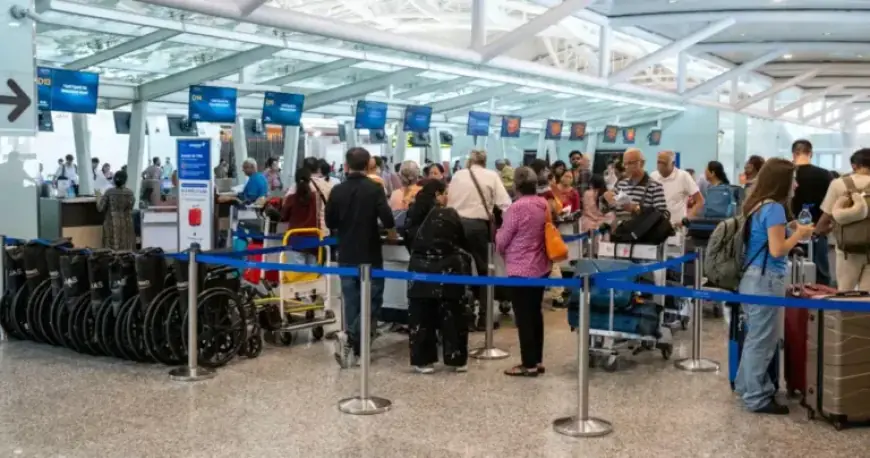
The recent developments in the Middle East have led to significant disruptions in air travel, particularly affecting travelers to and from Dubai and Doha. Various reports indicate that airports in both cities remain closed due to regional conflicts.
Dubai and Doha Paralyzed: Key Travel Updates
As of now, Dubai International Airport (DXB) and Dubai World Central Airport (DWC) have suspended all passenger operations indefinitely. Travelers have been advised not to visit the airports without a confirmed flight. Additionally, Abu Dhabi’s airports, including Zayed International, are also not operational due to the ongoing crisis.
Operational Status of Airports
- Dubai: Closed for all passenger flights.
- Abu Dhabi: Services halted temporarily.
- Doha (Hamad International): Operations suspended until further notice.
Qatar Airways has announced that their flights are temporarily grounded because of the closure of Qatar’s airspace. The airline has suggested that travelers can expect updates on operations by Monday, March 2, at around 9 AM local time.
Airspace Closures in the Region
At least eight countries have announced the closure of their airspaces. These include:
- Iran
- Israel
- Irak
- Jordan
- Katar
- Bahrain
- Kuwait
- United Arab Emirates (UAE)
Restrictions are also reported in southern Syria. The situation remains dynamic, with updates emerging hourly.
Airline Flight Cancellations
- Emirates Airlines: All flights to and from Dubai suspended until 3 PM local time on March 2.
- Air Arabia: Flights from Sharjah halted until at least March 2.
- Etihad Airways: Canceled all flights to and from Abu Dhabi until March 2.
- Qatar Airways: Suspended operations due to airspace shutdown.
International airlines such as Lufthansa and LOT Polish Airlines have also suspended flights to various destinations in the Middle East.
Advice for Travelers
Travelers are advised to reconsider their plans and prepare for potential rerouting. Possible alternatives include flights to airports in Riyadh, Cairo, or Larnaca. Even if reaching an alternate airport is possible, connections to Europe may be overbooked.
Passengers traveling from or to the EU retain protections under EU261 regulations. Airlines must offer adequate care, including meals and accommodations, and may need to refund tickets for canceled flights, even in extraordinary circumstances such as warfare.
Support for Poles Abroad
The Polish government has set up a hotline for citizens stranded in the Middle East. They are encouraged to maintain emergency funds, keep their passports ready, and stay connected. Additionally, registration in the Odyseusz system is advised for better assistance during crises.
This ongoing situation is expected to continue impacting air travel for the foreseeable future. Experts warn that delays and disruptions could persist due to the cascading effects of this crisis.
Travelers should remain vigilant and monitor updates from airlines closely. Do not attempt to travel to the airports unless you have a confirmed flight, as there are no guarantees regarding flight operations at this time.