























Impact of Iran Strikes on Future Oil and Gas Prices

The recent military strikes by the United States and Israel on Iran are poised to significantly influence future oil and gas prices. As the futures market prepares to open, analysts predict an imminent spike in prices.
Impact of Military Actions on Oil Prices
Experts anticipate that oil prices may surge when trading begins Sunday evening at 6 p.m. ET. The increased tensions in the region have led to heightened oil prices, with Brent crude experiencing a notable rise of 2.9% to $72.87 a barrel before the strikes.
In response to shifting market dynamics, the Organization of the Petroleum Exporting Countries (OPEC) and its allies announced an increase in daily oil output by 206,000 barrels. This decision follows a period earlier this year where production increases had stalled. However, analysts remain skeptical about the effectiveness of this output increase in curbing rising prices.
Iran’s Role in the Global Oil Market
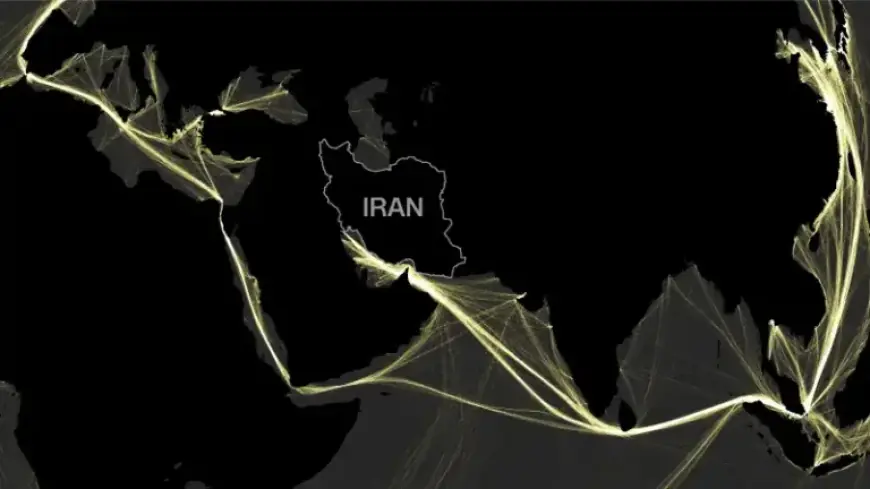
Iran is crucial to global oil production, holding the title of the sixth-largest oil producer and possessing the world’s third-largest proven oil reserves. The country also controls the Strait of Hormuz, a vital shipping lane for crude oil. This waterway is responsible for transporting about 20 million barrels of oil daily, making it a critical chokepoint in the global oil supply chain.
- Daily Oil Flow: Approximately 20 million barrels
- Global Production Percentage: 20% of daily global production
- Market Vulnerability: Asian economies, particularly China and India, would be significantly impacted by disruptions in this route.
Potential Price Implications
The ongoing military conflict could drive oil prices to unprecedented levels. During previous conflicts, analysts like those from Goldman Sachs noted that prices could potentially exceed $100 a barrel in the event of significant disruptions in the strait.
Clayton Seigle from the Center for Strategic and International Relations highlighted that the loss of Iranian oil would create a ripple effect, increasing demand for alternative supplies and consequently raising global prices by an estimated $10 to $12 per barrel. This surge would also lead to increased gasoline prices and contribute to rising inflation rates.
Experts forecast further increases in oil prices, with predictions suggesting a potential rise of $5 per barrel or more. Current national gas prices average $2.98, having recently edged up from the lowest levels seen since 2021. The situation remains precarious as the military actions could unravel gains made in declining fuel prices.
Historical Context
Past incidents, such as the Israeli strikes on Iran last June, demonstrated market sensitivity, leading to the largest single-day gain for Brent crude since March 2022. Prices escalated further when the United States became involved before retracting sharply following a ceasefire announcement.
Conclusion
With Iran’s pivotal role in the global oil landscape, the consequences of military actions could reshape future oil and gas pricing considerably. Stakeholders in the energy sector should remain vigilant as the geopolitical landscape evolves.