























Connor Storrie-hosted SNL handed Hilary Knight a chance to reshape the White House story — and it landed with a laugh


Here’s why this matters: the episode hosted by connor storrie put Hilary Knight and three fellow Olympic champions on live TV at a moment when debate over a presidential quip about the women’s team was still active, letting them control the tone and push back publicly. That platform affected the teams’ public narrative, shifted some player reactions into apologies, and clarified why the women skipped a White House visit in favor of a July celebration.
How Connor Storrie’s episode changed who controls the narrative
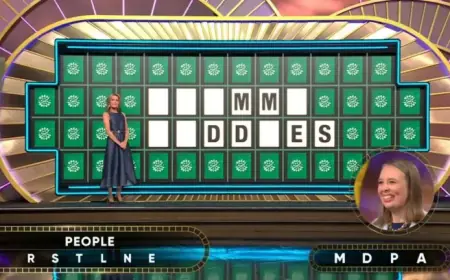
The SNL appearance — hosted by Heated Rivalry star Connor Storrie — gave Hilary Knight a clear, televised opening to respond after a remark about inviting the U. S. women’s team to the White House. By choosing not to attend the presidential visit with the men’s team and instead appearing on this show in her Olympic gear, Knight and her teammates reframed the conversation from who was or wasn’t invited to how the team would mark its achievement. The moment notably shifted attention away from the men’s initial laughter and toward public responses and apologies that followed.
What happened on stage (compact event details)
Hilary Knight, teammate Megan Keller and brothers Jack and Quinn Hughes appeared on SNL wearing their Olympic gold medals. The group referenced the earlier presidential quip about inviting the women’s team to the White House; Knight described that quip as distasteful and unfortunate in her wider remarks offstage. Keller scored the game-winning goal in overtime when the U. S. beat Canada at the Olympics, and Knight had opened scoring in that final, which delivered gold for the women last month.
All four players used the sketch stage to answer the moment with humor and a bit of rebuttal rather than confrontation. Quinn noted the men’s gold drought since 1980; Knight reminded the room that the women had achieved a comparable milestone two Olympics earlier, and Jack Hughes reacted on camera with an amused nod. The exchange underscored how the women’s victory and legacy are being framed going forward.
Reactions offstage and the fallout from the White House visit
Many members of the men’s team initially laughed at the presidential remark; several have since expressed regret about that response. Boston Bruin Charlie McAvoy said he was sorry for how the team reacted in that moment. While the men visited the White House last week, Knight and her teammates said they were too busy to attend and plan to celebrate at an event in July organized by rapper Flavor Flav instead.
Knight’s Olympic finish and teammates’ tribute
Knight’s gold medal came in what will be her final Olympics, and her teammates paid tribute to her leadership. Keller described Knight as the team’s leader and heartbeat and credited her influence as essential to reaching that gold-medal finish. The ceremonial and public moments since the win have focused not just on the medal but on Knight’s role in closing her Olympic career on that high note.
- Mini timeline: last month — women won Olympic gold; last week — men visited the White House; July — women will celebrate at an event organized by Flavor Flav (schedule subject to change).
Here’s the part that matters for the players and public image: the SNL appearance turned a political quip into a cultural moment the athletes could manage on their own terms, using humor and direct acknowledgment rather than letting the comment define the aftermath.
Quick Q& A
Q: Why did the women skip the White House visit? A: They said they were too busy and will instead attend a July celebration arranged by Flavor Flav.
Q: Did anyone express regret for initial reactions? A: Several men’s players later expressed regret, and Charlie McAvoy apologized for the team’s immediate response.
It’s easy to overlook, but this wasn’t just a late-night skit: it was a public corrective performed by the athletes themselves, with the host role of connor storrie helping create the platform. The real test will be whether this reframing changes how future ceremonial invitations and media moments are handled by the teams.
Writer’s aside: The athletes choosing a televised, light-touch rebuttal rather than a drawn-out public feud narrowed the story quickly; that restraint shaped the follow-up apologies and the decision to celebrate on their own timeline.