
























Iran Attack Shuts Down Middle East Airports, Stranding Thousands of Travelers

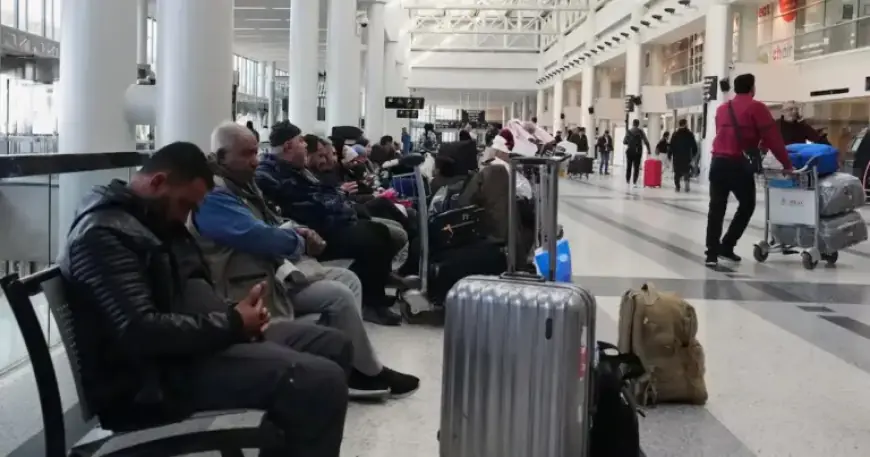
The recent military action involving the United States and Israel against Iran has resulted in significant disruptions to air travel across the Middle East. Major airports in the region have been forced to close, stranding thousands of travelers.
Flight Cancellations Across the Middle East
On a single day, over 3,400 flights were canceled at seven airports in the region, as reported by flight tracker Flightradar24. Airports in key cities such as:
- Dubai, United Arab Emirates
- Abu Dhabi, United Arab Emirates
- Doha, Qatar
- Manama, Bahrain
were among those affected. Emirates Airlines suspended all operations to and from Dubai, while Qatar Airways announced a temporary closure of Doha airport until at least Monday morning.
Impact of Airspace Closures
Developments escalated quickly, with several nations including Israel, Qatar, Syria, Iran, Iraq, Kuwait, and Bahrain shutting their airspaces. This action has drastically limited flight activity over the United Arab Emirates as well, adding to the confusion for travelers. The three main airlines operating at these key hubs — Emirates, Qatar Airways, and Etihad — typically handle about 90,000 passengers daily.
Incidents at Airports
Two airports in the UAE reported incidents amid the airstrikes, which were characterized as a “blatant attack” involving Iranian ballistic missiles. Notable occurrences included:
- Dubai International Airport – Four injuries reported.
- Zayed International Airport, Abu Dhabi – One fatality and seven injuries from a drone strike.
- Kuwait International Airport – Additional strikes reported.
Future Flight Operations
According to industry analyst Henry Harteveldt, air travel disruptions will likely continue over the coming days. Travelers should be prepared for delays and cancellations as airlines navigate the evolving situation.
Many flights will need to be rerouted over Saudi Arabia, potentially leading to increased fuel consumption and higher ticket prices. This will also place additional strain on Saudi air traffic controllers.
Potential reopening of airspace may occur as American and Israeli officials coordinate with airlines on safe flight paths and assess the threat level posed by Iran’s missile capabilities.
Travelers Affected Globally
The repercussions of these disruptions extend beyond the Middle East. For example, Bali’s airport reported over 1,600 stranded tourists due to canceled or postponed flights to the region. Airlines are issuing waivers, allowing affected passengers to rebook without extra charges.
Travelers are advised to check their flight status frequently. Many individuals, like Jonathan Escott from England, found their travel plans thwarted and are uncertain about when they might fly.
Experts suggest that those planning travel to or through these regions should reconsider their plans, as the situation remains fluid and could last for an extended period.