























British Airways Name Absent as Middle East Airspace Closures Strand Hundreds of Thousands

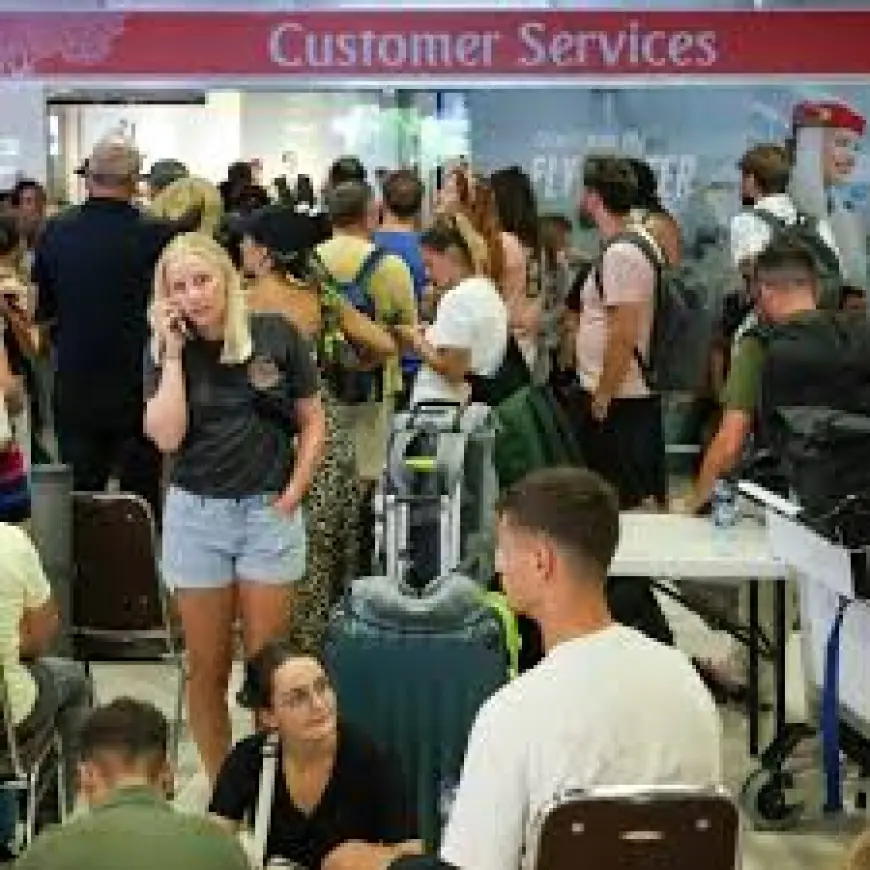
Widespread airspace closures and retaliatory strikes across the Middle East forced the suspension of operations at major transit hubs and left hundreds of thousands of travellers stranded or diverted. The disruption — which halted flights at Dubai, Abu Dhabi and Doha and produced thousands of cancellations — has upended schedules for regional carriers, while british airways is not mentioned in the operational notices released by the affected airlines.
Dubai, Abu Dhabi and Doha airports halted operations
Governments in the region closed airspace over several countries, prompting full or partial shutdowns at three of the world’s busiest international hubs. Dubai, Abu Dhabi and Doha all stopped normal operations after the UAE, Qatar and neighbouring states restricted flights; Emirates suspended all operations to and from Dubai until 3pm UAE time on Monday and Etihad halted flights to and from Abu Dhabi until 2am UAE time on Monday. Qatar Airways said it would resume operations only after the Qatar Civil Aviation Authority announced the safe reopening of Qatari airspace and that it would provide an update by 9am Doha time on Monday.
The closures came as a direct effect of escalating strikes and counterstrikes in the region. Maps of flight activity showed airspace over Iran, Iraq, Kuwait, Israel, Bahrain, the UAE and Qatar largely empty, an indicator of the immediate operational response to the security incidents.
British Airways does not appear in statements from regional carriers
The public suspension notices and routine operational briefings from Emirates, Qatar Airways and Etihad make no reference to british airways, and the three regional carriers typically move vast numbers of travellers each day through their hubs. Aviation analytics firm Cirium estimates those three airlines handle roughly 90, 000 passengers daily through those airports, a flow that was interrupted when governments imposed restrictions and major airports closed.
What makes this notable is the concentration of disruption on a small set of transit points that ordinarily connect Europe, Africa and the West with Asia, amplifying the effect of each closure across global networks.
Thousands of cancellations and global ripple effects
Flight-tracking and analytics services registered heavy cancellation and delay totals as operations ground to a halt. Flightradar24 recorded more than 3, 400 cancellations across seven principal Middle Eastern airports on Sunday. Cirium’s analysis of scheduled movements showed that of about 4, 218 flights due to land in Middle Eastern countries on Saturday, 966 — roughly 23% — were cancelled, with the total cancellations climbing above 1, 800 when outbound flights were included.
Beyond the region, the disruption produced a measurable global impact: FlightAware logged more than 18, 000 delayed flights worldwide and over 2, 350 cancellations as of 10: 30pm GMT on Saturday. The interruption stretched from immediate groundings at key hubs to cascading rescheduling challenges across international carriers and passengers’ itineraries.
The human toll at airports was also reported: strikes that targeted major facilities caused damage to infrastructure, with Dubai’s international airport and the nearby Burj Al Arab hotel sustaining damage and four people injured. An incident at Abu Dhabi’s Zayed International Airport was linked to one death and seven injuries in a notice later removed by the airport operator.
Industry analysts warned travellers to brace for ongoing disruption. Henry Harteveldt, an airline industry analyst and president of Atmosphere Research Group, cautioned that passengers should prepare for delays or cancellations in the days ahead as attacks continue to unfold.
Operational notices also showed how national aviation authorities reacted: a notice to airmen extended the closure of Iranian airspace until at least 8: 30am UK time on Tuesday, reinforcing the multilayered restrictions that contributed to the shutdown of major hubs and the large cancellation totals.
For passengers, the immediate effect has been widespread rerouting and long delays, with hundreds of thousands either stranded at or diverted from airports across the region. Airlines that had posted formal suspension times gave specific windows for the resumption of service, but the broader timetable for recovery depends on the reopening of national airspace and further security developments.
The broader implication is that concentrated, short-term closures at a few global transit points can produce outsized disruption across worldwide schedules, magnifying the operational fallout of regional security incidents.