























Bahrain at the center of F1 disruption: personnel safety and travel chaos as regional strikes ripple through the paddock

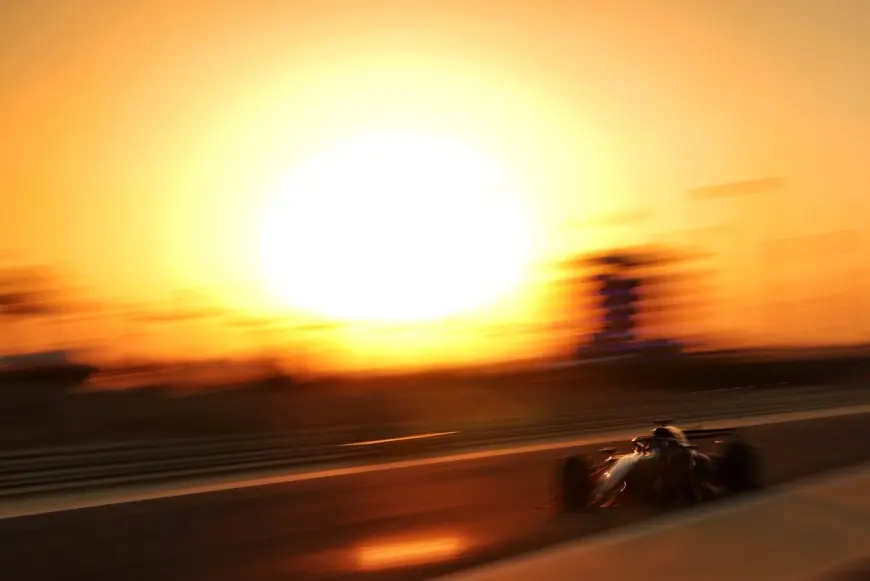
Who feels the impact first are people on the ground: tyre crews, team staff and residents in and around bahrain who are suddenly part of a wider security emergency. With a wet-weather Pirelli test canceled and staff sheltering in Manama hotels, teams are juggling safety checks, diverted travel and the looming race calendar less than two weeks before the season opener.
Bahrain: immediate human and operational consequences
Here’s the part that matters: Pirelli personnel and members of the paddock community are directly affected. Two days of development testing for wet compounds planned at the Bahrain International Circuit were called off for safety reasons, and all Pirelli staff currently in Manama are reported safe in their hotels while the company arranges their return to Italy and the UK. Mercedes and McLaren had been scheduled participants in the unusually configured wet tyre test, which was due to use sprinklers.
What unfolded: strikes, targets and racing bodies' response
Iran launched a wave of retaliatory missile and drone strikes against United States military bases and installations in Gulf countries that host Formula 1 races. The Islamic Revolutionary Guard Corps struck U. S. military installations and several Gulf nations, including Qatar, Saudi Arabia, Bahrain and the United Arab Emirates, in response to a joint U. S. -Israel offensive earlier that day. The IRGC vowed the strikes will continue "relentlessly until the enemy is decisively defeated, " and an Iranian armed forces spokesman warned that any base used to facilitate the U. S. -Israeli offensive is a legitimate target.
Pirelli cancellation: scope, timing and safety steps
Pirelli canceled the two-day wet-weather test that had been scheduled for February 28 to March 1 at the Bahrain International Circuit, citing the evolving international situation and safety concerns. All personnel in Manama were described as safe in their hotels, and the company is working to ensure their continued safety and to arrange their return home. On Saturday, Iranian forces said they had struck a U. S. naval base in Bahrain, and one of the installations hit — U. S. Naval Forces Central Command — sits roughly 20 miles from the Bahrain circuit and about seven miles from the Bahrain International Airport.
Calendar and travel ripple effects across the opening rounds
Logistics are already being adjusted. The F1 season opens next week in Melbourne (March 6-8), followed by China (March 13-15) and Japan (March 27-29), before a scheduled return to the Gulf for the Bahrain Grand Prix (April 10-12) and the Saudi Arabian Grand Prix (April 17-19). An F1 spokesperson acknowledged the situation while noting the championship remains in East Asia before returning to the Gulf, saying the next three races are in Australia, China and Japan and are not for a number of weeks, and that the series closely monitors situations and works with relevant authorities.
Airspace disruption and rerouted connections are already a factor: the Middle East is a common transit hub for teams and personnel traveling from the UK to Australia, and flights through Abu Dhabi and Qatar are affected where airspace closures have been reported. That has direct consequences for travel plans to the season-opening Australian Grand Prix.
Precedent, community reaction and a short timeline
- February 28–March 1: Two-day Pirelli wet tyre test at Bahrain International Circuit canceled.
- March 6–8: F1 season-opening race scheduled in Melbourne.
- March 13–15 and March 27–29: China and Japan rounds follow before Gulf visits in April.
- April 10–12 and April 17–19: Bahrain and Saudi Arabian Grands Prix are scheduled back-to-back in the Gulf.
That sequence matters because the tests and recent concentrated activity in bahrain — including two weeks of F1 testing that left many teams and journalists based in the Juffair area — put people and equipment within reach of the unfolding strikes. In 2022, the Saudi race weekend was jeopardized mid-weekend after a Houthi missile struck an oil facility visible from the circuit, prompting emergency discussions among drivers before the meeting continued; the paddock has lived through similar disruptions and logistical challenges before. The situation also raises questions about possible disruption to the start of F1's 2026 season, given the broader regional escalation.
It’s easy to overlook, but the Gulf testing window had concentrated people and kit in a small area, which is why the cancellations and travel shifts are so tangible for teams and locals. The real test will be whether evacuations and adjusted routing are enough to keep the calendar on track without further changes.
If you’re wondering why this keeps coming up for racing: the proximity of military installations to circuits and the use of Gulf hubs for transport mean geopolitical events can translate quickly into operational headaches for the sport.
Mini timeline above; schedule subject to change as authorities and teams reassess safety and travel plans.