






















Nicholas Braimbridge Tony Cooper: Two behind-the-scenes losses and the people left to carry on

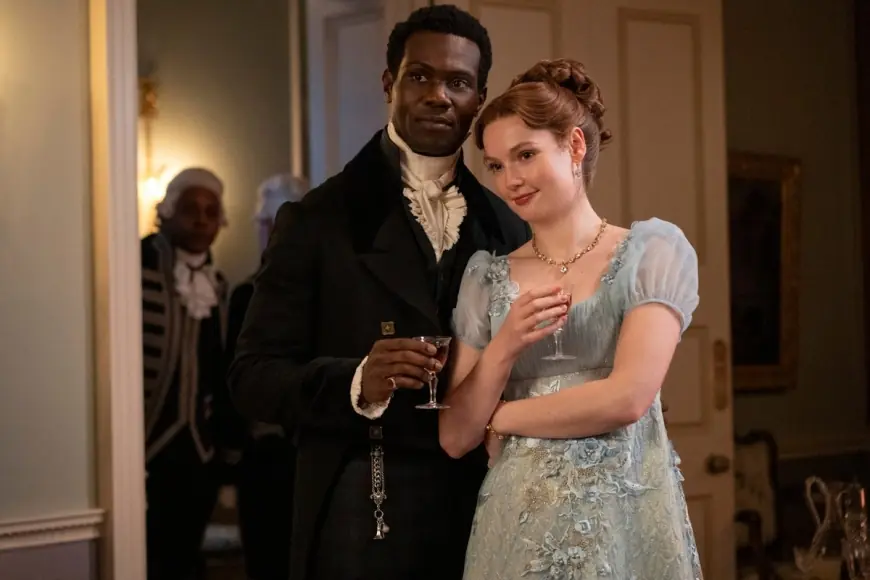
Nicholas Braimbridge Tony Cooper are names that appeared in a season 4 tribute, but the immediate impact lands closest to the families and the creative teams who built the show's look and logistics. The tribute foregrounds absent crew members and raises questions about how sets, schedules and small departments cope when colleagues die. Here's the part that matters: the recognition was limited and the public record about both men is sparse.
Nicholas Braimbridge Tony Cooper: who feels the impact first
The most direct effects are personal: for Nicholas Braimbridge, surviving family members include two teenage daughters, identified as Flora and Amelia, and his wife had passed shortly before his own death. For Tony Cooper, immediate family details have not been shared publicly. Professionally, colleagues in art and transport departments — the teams that translate design into physical sets and move people and equipment — are the next most affected, needing to sustain production rhythms while grieving.
- Nicholas worked as a scenic artist whose craftsmanship contributed to the show’s visual style; a fundraising page was posted by the show’s art director, Alison Gartshore, following his death.
- Nicholas died in May 2025; his cause of death has not been made public.
- Tony Cooper worked as a unit driver responsible for ferrying cast, crew, props and equipment, supporting both this series and its spin-off.
- Details about Tony’s timing and cause of death have not been shared publicly.
It’s easy to overlook, but small departments like scenic art and transport are vital to a production’s look and on-set momentum; losing members in those roles reverberates across multiple teams and future bookings.
How the tribute appeared and what is publicly known
The final episode of the season included a post-credits tribute that listed both names. Viewers noticed a short on-screen message that acknowledged the two crew members ahead of the post-credits scene. The season reached its full release when the second batch of episodes hit the streaming service on February 26, and the tribute appeared in the final episode’s end sequence.
Publicly shared details are limited. For Nicholas, an art-department fundraising page posted by the production’s art director noted his role as a scenic artist and named his daughters, while stating his death took place in May 2025 and that his cause of death was not disclosed. For Tony, credits listed online show a history of driving on major film and television projects, with credits that include the Mission: Impossible franchise, The Crown, the Downton Abbey movies and Spider-Man: Far From Home, but no public statement has outlined when he died or the cause.
If you’re wondering why this keeps coming up: end-credit tributes are one of the few formal ways a production recognizes off-screen colleagues in a moment visible to the audience; they rarely include personal details beyond names.
Key points to hold on to:
- The tribute names two crew members, making their roles briefly visible to a wide audience.
- Nicholas Braimbridge was a scenic artist; he died in May 2025 and is survived by two teenage daughters. His wife had died shortly before him.
- Tony Cooper worked as a unit driver with credits on several major titles; timing and cause of his death have not been shared publicly.
- Public documentation beyond the tribute and the fundraising page is limited; many personal and timeline details remain private.
A short timeline of verifiable items: the second batch of episodes was released to the streaming service on February 26; Nicholas Braimbridge died in May 2025; both names were included in the post-credits tribute in the season’s final episode. The real test will be whether further family or production statements provide more context or plans for remembrance.
What’s easy to miss is that an on-screen name can prompt both public curiosity and private logistical questions for a production team — from memorials among colleagues to how departments cover shifts in personnel. The emphasis here is on what is publicly verifiable and what remains private; recent updates indicate some details may evolve as families or colleagues choose to share more.