

























Bbc News: Missile and Drone Strikes Near US Fifth Fleet in Bahrain Highlight Defence Gaps

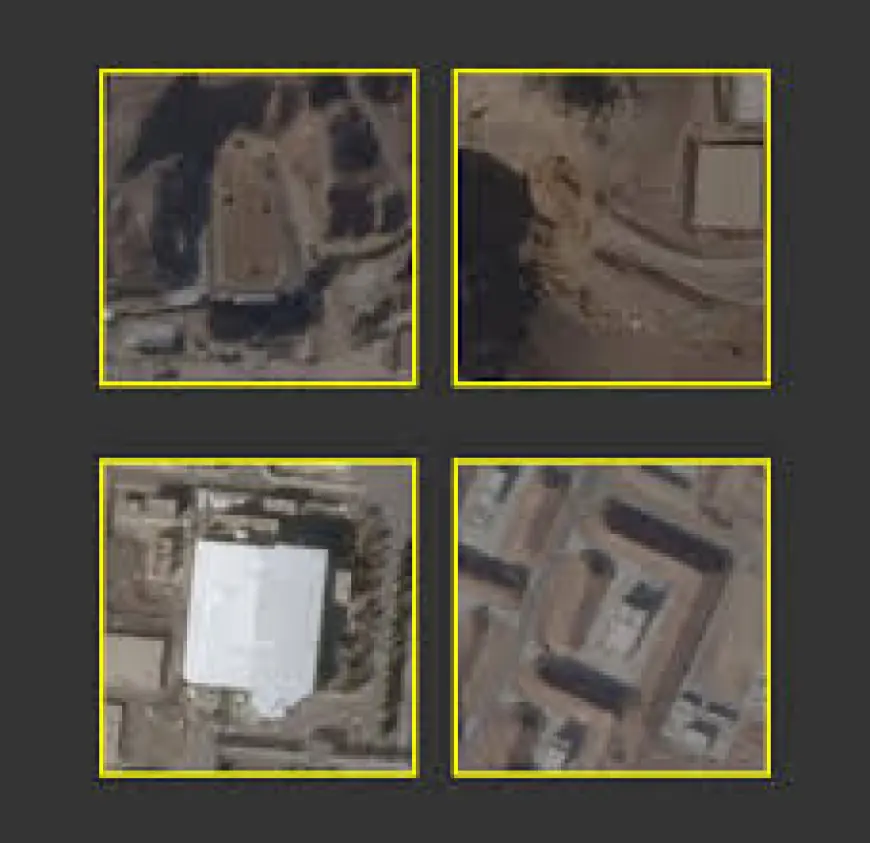
Videos show missiles and drones striking the vicinity of the US Fifth Fleet headquarters in Bahrain, an event that has drawn fresh scrutiny of how well Washington can shield its bases. The coverage on news underscores why the attack matters now: it exposed vulnerabilities that existing deployments and recent reinforcements may not fully close.
News: US Fifth Fleet and Bahrain strike details
Footage circulating from the strike zone appears to show a relatively slow-moving Shahed drone and missiles breaching defences close to the US Fifth Fleet headquarters in Bahrain. There are no reports of casualties. Military officials are understood to have had warning of the incoming attack and to have taken precautions to evacuate personnel, reducing the chance of loss of life.
Tom Sharpe on Bahrain's defences
Tom Sharpe, a former Royal Navy commander, said Iran likely viewed Bahrain as a high-profile target that historically had relatively little in the way of air defences. That assessment ties directly to the damage path seen in the videos: a slow-moving Shahed drone was able to reach the vicinity of a major naval headquarters, a type of unmanned vehicle that in other conflicts can sometimes be downed with a high-calibre machine-gun.
US military assets: THAAD, Patriot Systems and Arleigh Burke-class Destroyers
In recent weeks, the US has flown additional air-defence systems to the region, including THAAD and Patriot Systems, both designed to intercept ballistic missiles. These systems are costly and limited in number. The US Navy has also deployed around a dozen Arleigh Burke-class destroyers to the Gulf and the eastern Mediterranean; those destroyers can engage drones and ballistic missiles and have been credited with effective action in the Red Sea against Houthi rebels operating from Yemen.
Houthi interceptions and fighter-jet deployments
Between 2024 and 2026, US forces intercepted nearly 400 Houthi drones and missiles, a tally that underscores the tempo of threats in nearby maritime corridors. US fighter jets, which have been sent to the region, are an additional layer of defence and the US now has more than 100 jets in theatre. Even with these assets, officials judge that coverage is not absolute and some attacks are still likely to succeed.
Scale of the Iranian threat and regional constraints
Before the most recent US and Israeli strikes, Iran retained what is assessed as an arsenal of around 2, 000 short-range ballistic missiles and many more one-way attack drones. The scale of that arsenal, combined with the limited numbers of high-end defensive systems, produces a simple cause-and-effect dynamic: a large inventory of relatively inexpensive offensive systems can overwhelm a smaller pool of expensive, finite interceptors and platforms, making some successful strikes probable.
What makes this notable is how the mix of capabilities interacts on the ground: slow-moving attack drones can exploit gaps that high-end systems are not optimised to cover, while those same high-end systems are costly and scarce.
Operational and information friction outside the strike zone
Beyond the military picture, users seeking real-time updates encountered common web friction: some pages present an automated prompt that asks visitors to click a box to confirm they are not a robot and to ensure their browser supports JavaScript and cookies. Those prompts direct users to contact a support team with a reference ID if there are problems, and some pages offer subscription options for market news and alerts. These hurdles can slow public access to fast-moving developments.
Comparative data from other theatres also factors into planning. Ukraine, for example, operates with fewer than 10 Patriot batteries and continues to face difficulties defending its capital, Kyiv, a reminder that even nations with Patriot systems can struggle when assets are limited. Planners in Washington and among regional partners must weigh that constraint against the deployment of destroyers, fighters and the recent shipment of THAAD and Patriot systems.
The immediate effect of the strike on regional posture is a likely increase in urgency to prioritise which sites receive the most protection. The longer-term implication is that defensive strategy must account for a saturation threat: cheap, numerous drones and short-range missiles that can impose operational stress on even well-resourced militaries.