






















Novak’s Underrated Serve: What ATP peers are pointing to and why it matters for players and coaches

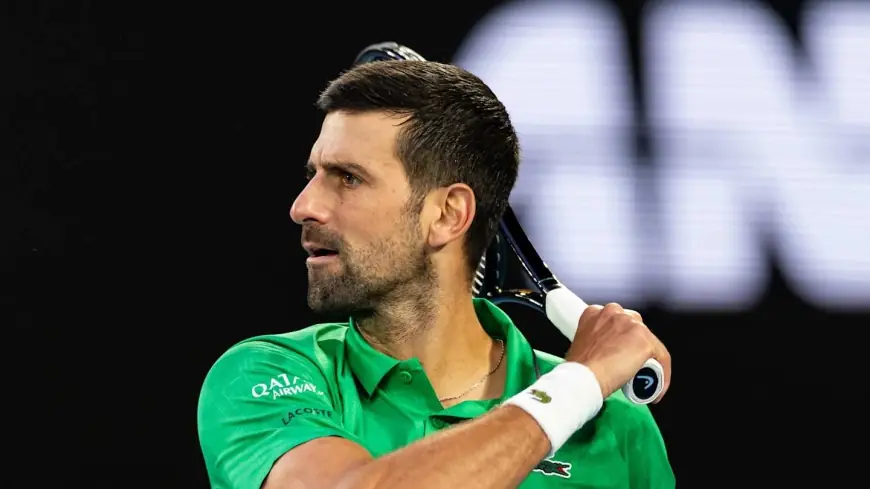
The conversation about novak's serve matters most to opponents and coaches who prepare game plans around the margins. Retired player Christopher Eubanks has relayed a simple but persistent peer observation: many current players on tour feel Djokovic's serve does not receive the credit it deserves. Here’s the part that matters for teams working to exploit any tiny edges against one of the sport’s most complete players.
What Novak’s peers are emphasizing—and who feels the impact first
Eubanks, identified in the context as a retired tennis player, suggested that many players currently on tour view Novak Djokovic’s serve as underrated and underapplauded. If you’re wondering why this keeps coming up, it’s because match plans at tour level are often built around neutralizing strengths that opponents publicly understate; that makes the serve a practical target for coaches and practice squads.
Comments from the locker room: where the observation came from
Those remarks came during an appearance by Eubanks on Andy Roddick's podcast, Served. Eubanks, who never had a chance to face Djokovic in his tennis career, conveyed that the view among many current tour players is Djokovic’s serve should be recognized more often. The core point repeated in the available context is straightforward: the serve is seen as an underrated element of his game.
Numbers that back the talking points—and one fragment left unclear
Career serve figures presented in the context show Novak Djokovic landing 65% of his first serves and winning 74% of those points. Points won off his second serve are given as 55%.
- Roger Federer is listed with 62% of first serves landed and 77% of first-serve points won.
- Rafael Nadal is listed with 68% of first serves landed and 72% of first-serve points won.
For all three, their numbers fall into the unclear in the provided context
Mental profile and the lone acknowledged weakness
The context also characterizes Djokovic as a 24-time Grand Slam winner and one of the most complete players in the sport's history. It notes a tension: even as he is broadly considered mentally tough—"you don't win that many Grand Slams without being mentally tough"—he can show a tendency to lose focus or composure in tight matches, a habit that leads to a significant number of errors.
Practical implications for opponents, coaches and practice planning
- Targeting serve return patterns: Practitioners preparing to face Djokovic should treat his serve as a meaningful tactical variable rather than a throwaway detail.
- Drills that simulate pressure: Because lapses in composure are noted as the most visible crack, training that combines receiving practice with pressure scenarios could be useful for opponents.
- Match-day adjustments: Coaches may prioritize second-serve aggression given the gap between first-serve win rate and the lower second-serve point-win figure.
- Scouting emphasis: Teams scouting for the tour should re-evaluate how much time is spent dissecting Djokovic’s serve mechanics versus return positioning and mental-game triggers.
What’s easy to miss is how commentary from peers reshapes preparation more than headlines do—players listen to other players. The real test will be whether training and match tactics shift in measurable ways when opponents incorporate this peer-backed reassessment into practice.
Writer’s aside: Given the material provided, the pattern is clear that peers are highlighting a specific, underrated component of Djokovic's game; finer judgments about how much that contributes to match outcomes are unclear in the provided context.