






















Novak's Unheralded Serve: What ATP players and coaches are rethinking about match prep

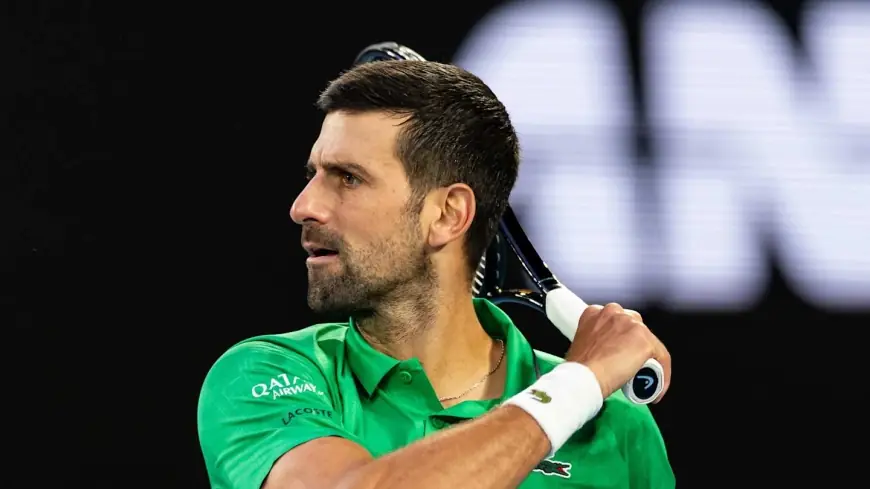
Why this matters for on‑court rivals and coaching teams: For players who face him and for coaches building game plans, novak's serve is not just a baseline statistic — peers say it changes how they prepare tactically. The point: opponents who discount that weapon risk underpreparing for patterns that win Djokovic free points and reshape rallies before they begin.
How ATP peers frame practical impact for opponents and staff (audience lens)
Here’s the part that matters for rivals and coaches: multiple tour players, highlighted in recent commentary, view Novak's serve as underappreciated. That perception has immediate consequences for practice: return patterns, serve‑return positioning and secondary‑serve strategy are being adjusted in response. If you coach or scout on tour, that shifts the drills you prioritize in the days before a meeting.
Numbers that back the claim about the serve
Beyond impressions, a compact set of career serving numbers is often cited when the serve's quality is debated. Novak has landed 65% of his first serves and won 74% of those points. Points won coming off his second serve drop to 55%. For comparison, Federer landed 62% of first serves and won 77% of those points, while Rafael Nadal landed 68% of first serves and had 72% first‑service points won. For all three, their numbers fall into the unclear in the provided context.
What Christopher Eubanks said and why it matters
Retired tennis player Christopher Eubanks recently commented on this dynamic while appearing on Andy Roddick's podcast, Served. Eubanks noted that many current players on tour believe Djokovic's serve does not get the applause it deserves — in other words, it's underrated. Eubanks never had a chance to face Djokovic in his career, a detail he acknowledged while framing peers' views.
Mental cracks and mental toughness: the narrower vulnerability
Even as peers highlight the serve, they also point at a different, repeated theme: if Djokovic has any flaw, it's an occasional loss of focus or composure in tight matches that leads to a meaningful number of errors. At the same time, Djokovic is described as one of the most mentally tough players in the sport — the very toughness that underpins winning 24 Grand Slams. The real question now is whether opponents' tactical adjustments can reliably exploit those sporadic lapses.
- novak's serve: regarded by peers as underrated and influential in match prep.
- Career serve efficiency listed as: 65% first serves in, 74% of those points won; second‑serve points won at 55%.
- Comparative markers: Federer 62% first serves in, 77% first‑serve points won; Nadal 68% first serves in, 72% first‑serve points won.
- Christopher Eubanks raised peers' views on the Served podcast and has not faced Djokovic in competition.
It's easy to overlook, but this combination — a top‑tier serve that flies under recognition plus rare composure lapses — is precisely what forces opponents to choose between conservative return tactics and riskier aggression. Coaches and players who decide which path to take are effectively betting on whether a single mental wobble can be reliably provoked.
Writer's aside: The distinction between a celebrated weapon and an underrated one often comes down to narrative rather than raw numbers; the stats here show nuance rather than a clean verdict, and that nuance is what teams are parsing now.