

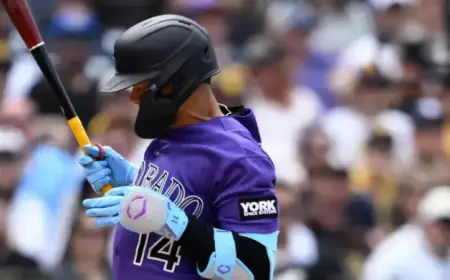






















Scottie Barnes Emerges in Defensive Player of the Year Conversation

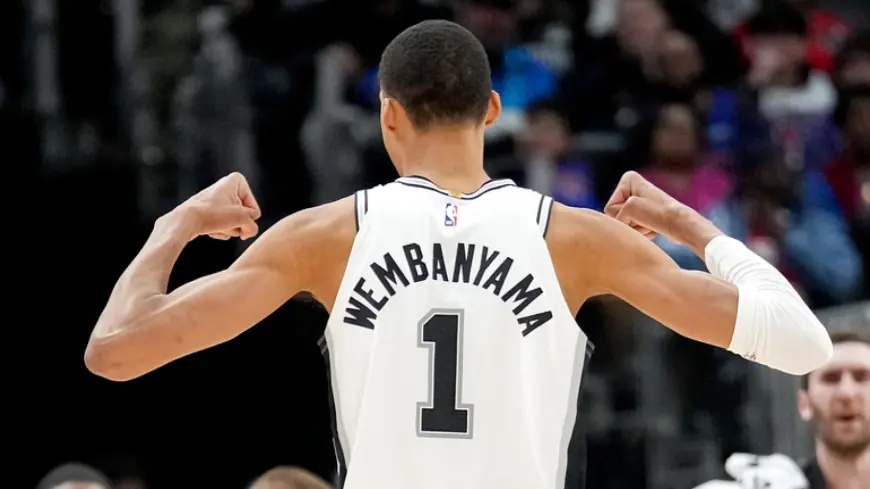
As the Defensive Player of the Year discussion tightens around Victor Wembanyama and Chet Holmgren, scottie barnes has emerged as a distinct alternative thanks to multi-positional impact and consistent clutch plays. The debate matters now because recent box scores and team defensive trends are elevating Barnes’ visible contributions alongside Wembanyama’s shot-blocking headlines.
Scottie Barnes’ Defensive Versatility
Scottie Barnes combines listed length, mobility, awareness, instincts and footwork in a package described as unusually versatile. At 6'9" he can switch between guarding wings, forwards and bigs, offering his team on-ball stops and help defense while also contributing to the rim when needed. That positional flexibility has been a major factor in his team moving into the top tier of league defensive ratings, with the club at one point sitting as high as sixth in defensive rating for the season.
How Barnes Stacks Up Statistically
Barnes shows up in the box score across several categories: steals, blocks and rebounds are regular entries, and he ranks second in the league in total "stocks" (steals plus blocks), behind only Victor Wembanyama. He also registers high tallies in deflections and clutch defensive plays, and he leads the league in "clutch blocks, " a metric tied to late-game impact. Those numbers bolster the argument that his defensive value is both versatile and demonstrable.
Wembanyama, Holmgren and the Wider Picture
The broader Defensive Player of the Year narrative remains centered on elite rim protectors. Wembanyama’s recent performance — a 21-point, 17-rebound, six-block game during his team’s ninth straight win — underscores why shot-blocking and paint deterrence draw so much attention. Chet Holmgren is still viewed by many as the most realistic challenger to Wembanyama for the award, supported in part by betting-market sentiment and broad commentary favoring his candidacy.
Clutch Impact and Forward Look
Barnes’ case is strengthened by his late-game defensive contributions: his team allows just 98. 0 points per 100 possessions in clutch situations, a mark described as the league’s best for that sample, and Barnes has been credited with key plays in tight moments. He was also named Eastern Conference Defensive Player of the Month for the season’s first month and a half, a formal recognition of early-season impact.
Looking ahead, two observable indicators will shape how the discussion evolves: whether Barnes continues to log high totals in stocks and clutch plays, and whether his team sustains top-tier defensive rating. If both hold, his versatility-based case will become harder to dismiss next to opponents who trade primarily on shot-blocking and paint deterrence. Meanwhile, Wembanyama’s recent string of high-impact games — including his seventh career game with at least 20 points, 15 rebounds and five blocks — and his team’s positioning in the standings with 25 games remaining will keep him firmly in the award conversation.
Quiz Moment: The 20–15–5 Club
The recent Wembanyama performance also revived a smaller statistical sidelight: it was the seventh time in his career he recorded at least 20 points, 15 rebounds and five blocks, prompting a quiz-style challenge asking how many players have recorded at least five such games. That streaked performance both highlights Wembanyama’s dominance in a particular defensive and rebounding profile and underscores why the Defensive Player of the Year debate includes different definitional paths — elite rim protection versus multi-positional versatility.