
























Neil Sedaka Songs That Traced a Two-Era Pop Comeback and the Tribute From a Monkees Member

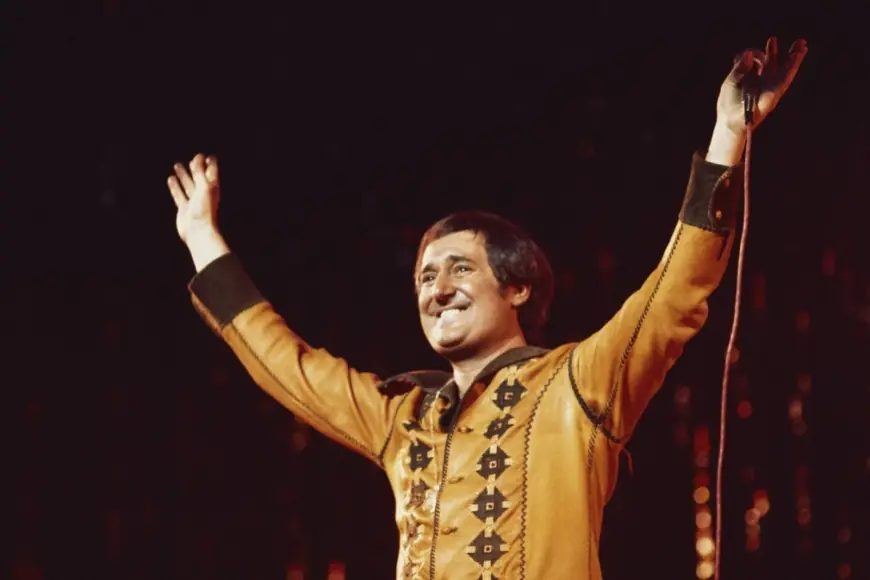
The passing of the singer-songwriter reverberates through artists and fans who first knew him for early-60s singles and then watched a full-scale comeback a decade later. Neil Sedaka Songs defined two commercial peaks and a songwriting reach that connected to acts like the Monkees; his death on Friday at the age of 86 closes that active chapter and prompts fresh appreciation from peers and listeners alike.
Why the catalog still matters now
Here’s the part that matters: Sedaka’s work threaded pop radio across two distinct moments, which is why artists and fans are responding strongly. His songs not only placed on charts across eras but also turned up in other performers’ records and memorial performances, extending his influence beyond his own recordings.
Neil Sedaka Songs — from early hits to a seventies revival
He first landed a Top 10 hit in 1959 with “Oh! Carol. ” Early-60s singles included “Breaking Up” and other recognizable titles such as “Stairway to Heaven” (not that one), “Calendar Girl, ” “Little Devil, ” and “Happy Birthday Sweet Sixteen. ” In 1962, “Breaking Up Is Hard to Do” reached Number One, and “Next Door to an Angel” climbed to Number Five.
In the Seventies, he drew renewed industry attention when he was signed to a label run by Elton John. In 1974 a compilation titled Sedaka’s Back gathered songs from his U. K. era and earned a gold certification in the U. S. The following year marked his biggest commercial return: he topped the Billboard Hot 100 twice as a solo artist with “Laughter in the Rain” and then “Bad Blood, ” while a new ballad version of “Breaking Up Is Hard to Do” reached Number Eight.
Tribute and personal connections: Micky Dolenz’s message
Micky Dolenz, identified as the last surviving member of the Monkees, paid tribute after news of Sedaka’s death. Dolenz described Sedaka as one of those rare songwriters who could do it all and highlighted Sedaka’s collaborations with the band. He noted that Sedaka co-wrote “When Love Comes Knocking at Your Door” with Carole Bayer Sager and wrote “Rainy Jane” for Davy Jones’ solo record. Dolenz also recalled Sedaka traveling from the East Coast to perform “Love Comes Knocking at Your Door” at a Los Angeles–based memorial for Davy Jones, and he sent his thoughts to Sedaka’s family, friends, and everyone who loved his music.
How peers and the catalog intersect
Sedaka’s songs functioned as both personal records and material for other artists. That dual role helps explain why a Monkees member would single him out: his work reached beyond his own releases into collaborations and contributions to peers’ solo projects.
Personal creative notes from Sedaka
In 2006 he spoke with a Florida newspaper about the sources of his inspiration, saying that people, places, emotions, family, movies and plays all supplied ideas. He mentioned that “Love Will Keep Us Together” was inspired by different singing styles and noted that in the two decades before that interview he had been writing his own lyrics, which he preferred, describing that process as coming from his soul rather than someone else putting words in his mouth.
- Songs spanning two eras kept Sedaka visible to both original fans and newer audiences.
- Artists connected to Sedaka—like members of the Monkees—have personal and professional ties that keep his catalog active in other performers’ repertoires.
- The compilation and label move in the 1970s helped convert U. K. material into renewed U. S. success.
- Public reflections and memorial performances serve as immediate signals of how his work will be curated going forward.
It’s easy to overlook, but Sedaka’s combination of hit singles and behind-the-scenes writing created multiple pathways for influence: hit records, co-writes, songs for other artists, and live memorial performances. The real question now is how those pathways will shape renewed interest in his catalog in the months ahead.
Writer’s aside: his career shows how pop songs can be both immediate hits and long-lived currency for other artists; that’s a pattern worth tracking as tributes and catalog moves begin to take shape.