

























Iran Strikes U.S. Bases and Allies in Mideast Retaliation

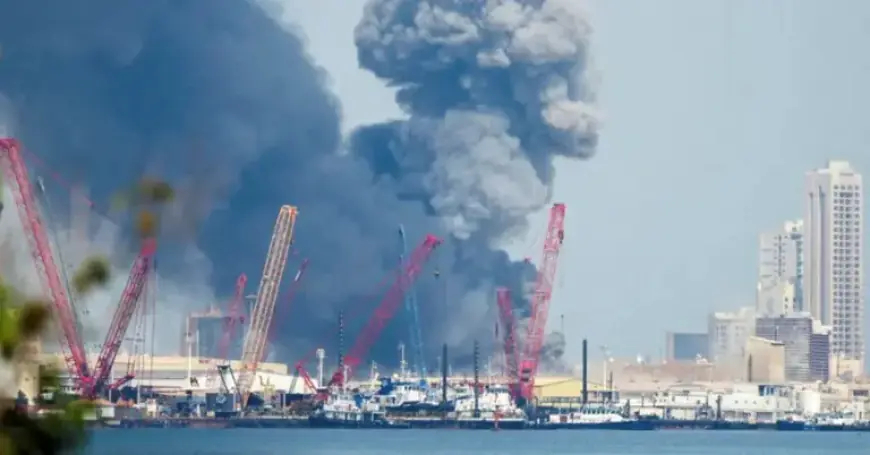
The ongoing conflict in the Middle East has intensified, as Iran responds decisively to U.S. military actions. Recent missile strikes from Iran targeted U.S. interests and allied countries, marking a significant escalation in hostilities.
Iran’s Retaliatory Strikes Target U.S. Bases and Allies
In retaliation to previous attacks on its nuclear facilities, Iran launched missiles primarily at the Al Udeid Air Base in Qatar. These strikes occurred over a day after U.S. operations, which resulted in minimal casualties due to effective interception.
Regional Impacts and Casualties
- UAE: Several missiles were intercepted, but debris struck a residential area in Abu Dhabi, resulting in one fatality.
- Jordan: The military intercepted two ballistic missiles without specifying their launch point.
- Qatar: The defense ministry reported multiple waves of intercepted missile attacks with no reported damage.
- Saudi Arabia: Interceptors thwarted missiles aimed at Riyadh, condemning the Iranian incursions.
Concerns rise over the potential escalation of conflict. Dana Stroul, an expert from the Washington Institute, stated that Iran aims to inflict harm on both U.S. and allied forces stationed in the region.
Global Shipping and Air Traffic Disruptions
The Strait of Hormuz, a vital global shipping route, faced disruptions as Iran claimed to have effectively closed it. This closure threatens the flow of a significant portion of global oil and liquefied natural gas.
Air travel was also affected by the escalating tensions. Both Qatar Airways and Emirates suspended flights to their respective hubs. Furthermore, Syria’s civil aviation authority announced a temporary closure of southern air corridors for 12 hours, redirecting air traffic.
Israeli Responses and Proxy Involvement
As the strikes unfolded, Israeli locations, including Tirat Carmel, were hit by Iranian missiles, resulting in injuries and property damage. Israeli emergency services assisted those affected, particularly individuals seeking shelter.
The conflict has also revived discussions about Iran’s alliances with groups such as Hezbollah and the Houthis. Leaders from these organizations have indicated potential retaliatory actions against U.S. bases, further complicating the regional situation.
Long-Term Implications
Experts cautioned that Iran may be biding its time while leveraging its proxies to challenge U.S. and allied forces. Ali Vaez from the International Crisis Group noted that Iran has the endurance to handle prolonged conflicts, suggesting a potential war of attrition.
This ongoing escalation emphasizes the fragile state of Middle Eastern geopolitics, leaving civilians and infrastructure vulnerable as tensions continue to rise across the region.