

























Mojtaba Khamenei: Iran Leader’s Son Builds Vast Europe and Middle East Empire

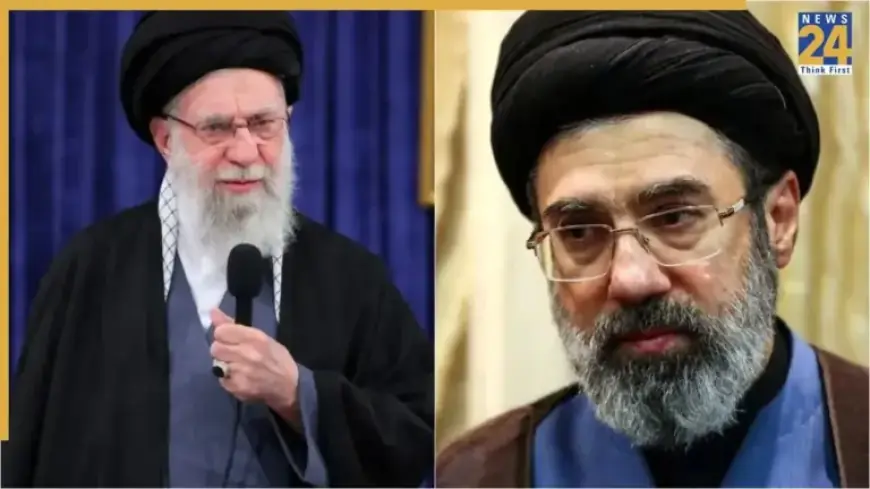
Mojtaba Khamenei, the son of Iran’s Supreme Leader Ayatollah Ali Khamenei, has gained considerable attention amid recent military tensions involving the US and Israel. Following a coordinated strike on Iranian targets, including Ayatollah Khamenei’s expansive office in Tehran, discussions about Mojtaba’s influence in Iranian politics have resurfaced.
Mojtaba Khamenei: Profile and Influence
Although Mojtaba Khamenei lacks a formal government position, his role as a Shia cleric has made him a significant figure within Iran’s political landscape. Reports suggest he has developed strong ties with the Islamic Revolutionary Guard Corps (IRGC), a crucial institution in Iranian power dynamics.
Experts indicate that his rising influence might position him as a potential successor to his father. This assumption is based largely on his connections within the IRGC and the political clout it provides.
Real Estate Ventures Across Europe and the Middle East
Recent investigations have uncovered Mojtaba Khamenei’s extensive real estate empire, which spans multiple countries in Europe and the Middle East. According to a Bloomberg report, he owns significant properties, including:
- A luxury residence worth over $138 million in North London’s Bishops Avenue.
- A villa situated in an upscale Dubai neighborhood.
- High-end hotels located in Frankfurt and Majorca.
These assets highlight his capacity to accumulate wealth despite international sanctions against Iran.
The Question of Succession
While speculation surrounds Mojtaba Khamenei as a potential successor to the Supreme Leader, Ayatollah Khamenei has not formally designated him as such. Experts attribute this decision to concerns over perceptions of nepotism, which could undermine the regime’s legitimacy and further drive anti-government sentiments.
The Islamic Republic, established after the 1979 revolution, has historically rejected dynastic politics, viewing it as reminiscent of the Pahlavi dynasty’s rule. Ayatollah Khamenei has consciously avoided favoring family members in governance since he took office in 1989.
Future Perspectives
Regardless of his official status, Mojtaba Khamenei remains an influential figure within Iran’s power circles. Analysts suggest he embodies a “behind-the-scenes” strategy, allowing him to wield power without officially stepping into the spotlight.
As geopolitical tensions continue, the impact of Mojtaba Khamenei’s activities and his potential role in Iran’s future will be closely scrutinized.