























Grizzlies Vs Mavericks: Why Memphis’ roster pivot — and Cedric Coward’s rise — force a rethink of the franchise blueprint

Why this matters now: the Grizzlies have moved decisively away from their prior core, and the ripple effects are immediate — grizzlies vs mavericks. Trading Jaren Jackson Jr., a declared pivot toward youth by general manager Zach Kleiman, Ja Morant’s uncertain future, and the rapid emergence of 22-year-old rookie Cedric Coward combine to change who the team looks to and how it should be built.
Contextual rewind: how past choices brought Memphis to this crossroads
Memphis’ leadership has acknowledged a rebuild is underway: Kleiman all but confirmed those plans at his last media availability and has signaled a younger construction. That shift follows a pattern — rebuilds typically follow stalled momentum, unmet expectations, and a realization that a roster’s trajectory no longer matches its vision. The franchise’s “Next Gen” era leaned heavily on youth and internal growth; while it produced excitement and flashes of contention, it did not prioritize veteran leadership the way the front office now believes it should.
What’s easy to miss is how explicit that lesson is: the previous core, led by Ja Morant and Jaren Jackson Jr., relied on athleticism and defensive playmaking to outrun opponents, but pressure exposed gaps. Repeated injuries were a major factor, and consistent problems — suspensions, playoff pressure and late-game execution issues — persisted without enough veteran anchors. Kleiman has admitted the franchise doubled down on youth after the 2022-23 season, and that admission is shaping the current blueprint.
Grizzlies Vs Mavericks
Here’s the part that matters: conversations framed by the phrase Grizzlies Vs Mavericks now intersect with deeper identity questions for Memphis. The roster changes and Cleveland-to-unknowns in leadership mean that debates about who should be the face or how to win should be read through the franchise’s recent experience with a youth-first core and the emerging case for veteran steadiness.
Cedric Coward — the rookie whose profile accelerated the debate
Cedric Coward arrived at FedExForum as the No. 11 overall pick in the 2025 NBA Draft and announced himself differently than many rookies. He walked into his first media session in the Don Poier Media Center smiling, greeting the room with veteranlike energy, and his posture persisted through early adversity: a preseason shooting slump he treated like a temporary glitch, and a moment early in the regular season when he vocalized encouragement to teammate Jaylen Wells during Wells’ own slump.
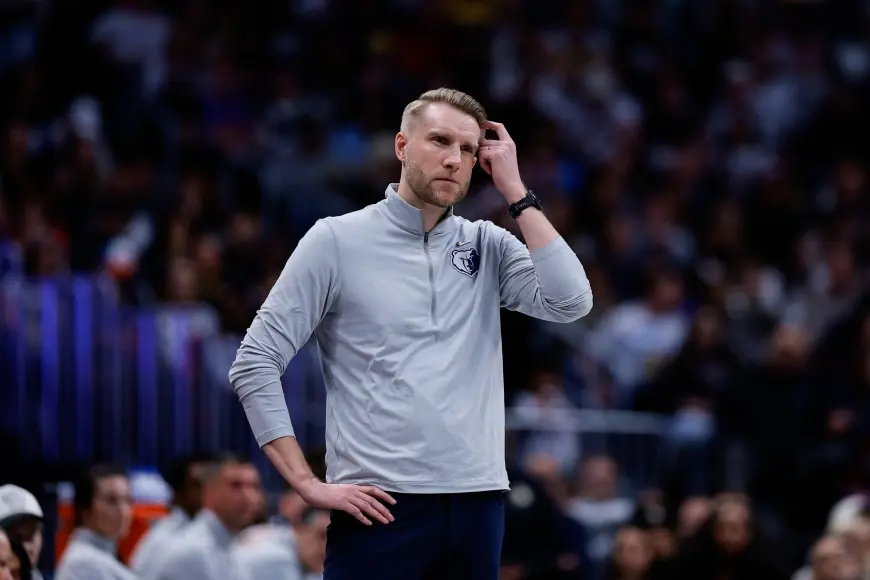
Coach Tuomas Iisalo has described Coward as very mature for his age and emphasized that leadership shows more through action than words. Through 48 games Coward averaged 13. 3 points, 6. 2 rebounds and 2. 9 assists while shooting 46. 8% from the field and 34% from three — production that placed him on pace for an NBA All-Rookie team. That production, combined with his voice in the locker room, is why front-office conversations now include him among candidates to be part of the franchise’s next era.
Injury timeline, team moves and the opening it created
- 2025: Coward selected No. 11 overall in the NBA Draft.
- Feb. 9: Coward sidelined by a right knee injury and has been out since that date.
- Days before Feb. 9: Memphis traded cornerstone Jaren Jackson Jr. in an eight-player deal with the Utah Jazz, a move described inside the organization as franchise-altering.
- Feb. 24, 2026: commentator Damichael Cole posted public remarks referencing Coward’s presence in the team’s discussion.
Since the knee setback Coward has gradually increased on-court practice activity in recent days; even when limited, he has worked closely with coaches to help facilitate drills, and teammates like Jaylen Wells note his leadership and the way he inspires others. Coward has said he takes talk about being a franchise cornerstone with a grain of salt, that he is focused on being himself, and that titles mean little compared with development.
Why veteran leadership keeps surfacing in roster plans
Memphis has tried to add experience before: Marcus Smart and Derrick Rose were additions in 2023 but were hampered by injuries. Presently the team has Kentavious Caldwell-Pope and Kyle Anderson as veteran presences in another losing season; both players have one year remaining on their contracts. Ty Jerome is another experienced piece still on the roster. The argument now is that these veterans — if kept and used deliberately rather than flipped reflexively — can serve as anchors, modeling professionalism and helping bridge potential to consistent execution.
The real question now is whether the front office balances youth and upside with those steadying voices or repeats the earlier pattern of relying too heavily on unproven continuity. Memphis’ recent stretch shows the cost of overlooking veteran presence during pivotal moments.
Mini timeline (quick rewind): 2022-23 was the season flagged internally as a turning point; 2023 saw Marcus Smart and Derrick Rose arrive but injuries intervened; 2025 saw Coward drafted at No. 11; early Feb. the team completed an eight-player trade sending Jaren Jackson Jr. to the Utah Jazz; Feb. 9 marked Coward’s knee injury; Feb. 24 featured public commentary about Coward’s rising profile. The next validation will be clear if Coward returns to the court, and if the roster blends experience with its young core.
It’s easy to overlook, but Coward’s numbers through 48 games suggest his leadership is backed by production rather than just talk — a subtle difference that matters when a franchise is choosing a new blueprint.