























Nomma Zarubina: The Russian honeytrap who pleaded guilty to lying about FSB ties

Nomma Zarubina agreed to a plea bargain on Feb. 19 and has pleaded guilty to lying to the FBI about her contacts with the FSB and to naturalization fraud tied to prostitution-related claims. The development matters because it closes a long-running probe that prosecutors say involved an effort to use personal relationships to build influence networks in the United States; Zarubina now faces up to five years in prison and has a sentencing date scheduled for June 11.
Nomma Zarubina’s admitted ties to the FSB and the ‘Alyssa’ code name
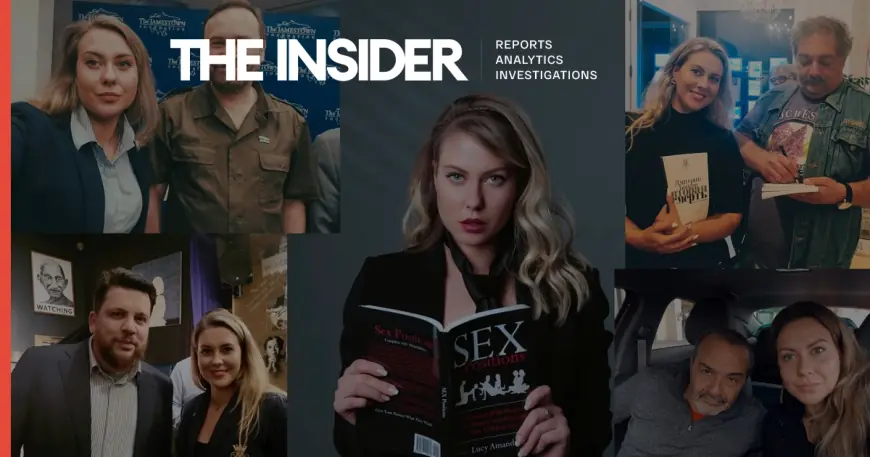
Legal filings and court materials state that Zarubina was recruited no later than 2020 and was given the code name "Alyssa" by handlers in Russia’s Federal Security Service (FSB). Prosecutors describe a pattern in which she attended seminars, forums and conventions frequented by academics, foreign-policy figures, government officials and journalists with the goal of identifying potentially helpful contacts and passing them to the FSB so those people could be invited to Russia for further cultivation.
Her work in the United States began after she moved to the country in 2016. Prosecutors have said she held roles that offered public-facing access, including work tied to an organization that served as a representative to the United Nations and participation in events organized by groups active in Washington and Ottawa. Court materials link those activities to a broader effort to build networks that Russian handlers could exploit.
Plea deal, prostitution-related claims and prison exposure
Under the plea bargain reached on Feb. 19, Zarubina pleaded guilty to making false statements to the FBI about her relationship with the FSB and to naturalization fraud for lying about involvement in prostitution-related offenses. Prosecutors have said the prostitution charges that were added earlier in the case were dropped in exchange for the guilty plea on the false-statements and naturalization counts. Each count carries up to five years in prison, and sentencing is scheduled for June 11.
Her legal history in the case stretches back to an initial arrest in November 2024 and detention in December 2024 on charges of making false statements to federal investigators. Prosecutors have connected her activities to other figures under investigation, including an associate who later faced charges tied to unregistered foreign-agency activity.
Admissions, denials and a complicated personal narrative
Court documents describe a sequence of interviews and meetings with authorities. Zarubina denied contact with Russian spy agents in several earlier interviews but later pleaded guilty to concealing her ties. Materials in the case also set out a personal trajectory that prosecutors say included work in Russia that overlapped with studies at an institution linked to national-security training; those details are part of the record made public in the course of the prosecution.
While the core plea and the naturalization-fraud admission are established in the filings, one additional detail that has surfaced in coverage — flirtatious late-night messages sent to an FBI agent that contributed to a return to custody — remains a developing element of the story and may evolve as the case proceeds.
What’s next
With the plea now entered and sentencing set for June 11, the immediate focus turns to the formal penalty that a judge will impose. The resolution leaves intact questions about the extent of the networks she cultivated and how those contacts were used, details that may remain part of ongoing legal and investigative record. For now, Zarubina faces potential imprisonment and a public record that ties her activities to an FSB-directed effort to cultivate influence through personal relationships.