























Why Did Trump Attack Iran? Inside the Decision Behind U.S. Military Strikes

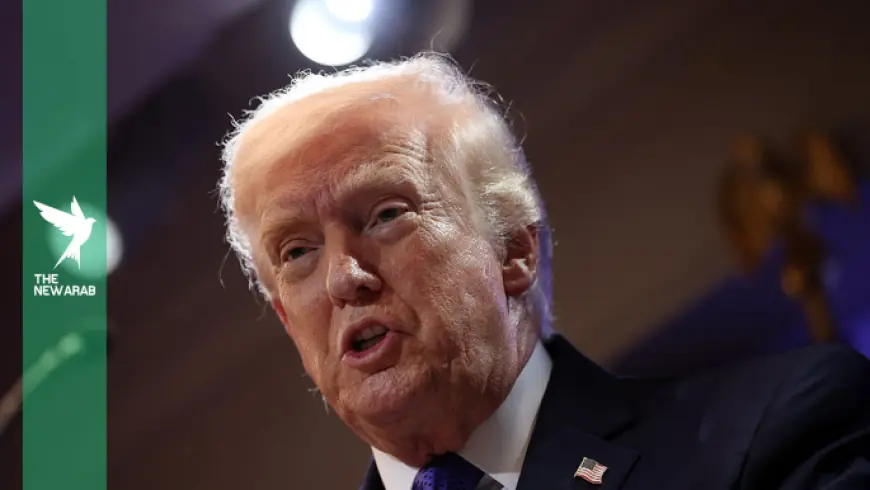
On Feb. 28, 2026 (ET), President Donald Trump ordered U.S. military strikes against targets inside Iran, marking one of the most dramatic escalations between Washington and Tehran in years. The operation, conducted in coordination with Israel, immediately reshaped the geopolitical landscape and prompted urgent questions across the United States, the United Kingdom, Canada, and Australia: Why did Trump attack Iran?
The White House framed the action as a national security necessity. Critics called it a risky gamble. Here is a breakdown of the administration’s stated reasons and the broader strategic context behind the decision.
National Security Justification: “Imminent Threats”
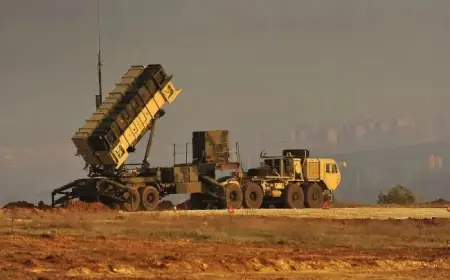
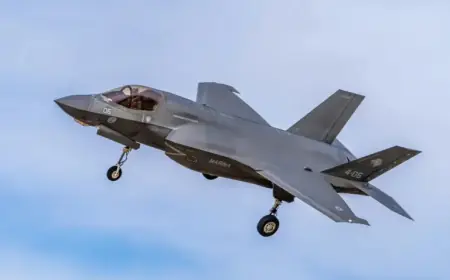
The Trump administration said the strikes were launched to eliminate what it described as imminent threats posed by Iran’s military infrastructure. Officials pointed specifically to Iran’s ballistic missile systems and regional proxy capabilities, arguing that these assets represented a direct danger to U.S. forces, allies, and global stability.
Trump stated that the objective was to degrade Iran’s military capacity and prevent further escalation by acting decisively. By targeting missile facilities and defense-related sites, the administration sought to send a message of deterrence while reducing Iran’s ability to retaliate effectively.
Nuclear and Missile Concerns
Another central explanation was Iran’s advancing nuclear and missile programs. U.S. officials have long expressed concern that Tehran’s enrichment activities and weapons development efforts could shorten the timeline toward nuclear capability.
Although diplomatic talks had been ongoing in various formats, Washington concluded that negotiations were not producing sufficient limits or transparency. The strikes were presented as an effort to halt or disrupt strategic programs viewed as destabilizing.
For U.S. allies, particularly Israel, the issue of Iran’s long-range missile capacity and potential nuclear breakout remains a top-tier security concern. Coordination between Washington and Jerusalem reflected shared alarm over those developments.
Diplomatic Breakdown and Escalation
The attack followed a period of stalled diplomacy and rising tensions. Back-channel talks had reportedly explored confidence-building measures and restrictions, but disagreements over verification, enforcement, and missile limits prevented a breakthrough.
Administration officials argued that Iran’s actions in the region—combined with the collapse of negotiations—left military action as the remaining lever to reestablish deterrence. Critics countered that striking first risked triggering a broader conflict.
Within hours of the strikes, Iran launched retaliatory missile and drone attacks targeting Israeli territory and U.S.-linked assets in the Gulf region. Airspace closures and heightened military alerts underscored how quickly the confrontation expanded.
Broader Political Signaling
Trump’s rhetoric extended beyond immediate military objectives. He publicly called on Iranian leadership to reconsider its course and voiced support for Iranian citizens protesting economic hardship and political repression.
This messaging suggested that the strikes were not only tactical but also strategic—aimed at increasing pressure on Iran’s governing structure. While the administration did not formally declare regime change as policy, the tone signaled an effort to weaken Tehran’s leadership both militarily and politically.
International Reaction
Global reaction was sharply divided. Some U.S. allies emphasized Israel’s security concerns and Iran’s missile expansion. Others warned that direct military action risked destabilizing energy markets, disrupting global supply chains, and drawing additional actors into the conflict.
In financial markets, oil prices surged amid fears of supply disruption. Governments across Europe, North America, and the Indo-Pacific issued travel advisories and began contingency planning.
What Comes Next
The central question now is whether the strikes achieve their intended deterrent effect or set the stage for sustained confrontation. Military analysts note that initial air operations can degrade infrastructure but rarely resolve underlying strategic disputes without diplomatic follow-up.
For Americans and allied nations, the stakes are significant: energy costs, regional security, and the potential involvement of additional global powers all hinge on how both Washington and Tehran respond in the days ahead.
Trump’s decision to attack Iran was justified by his administration as a move to eliminate immediate threats, disrupt nuclear and missile capabilities, and restore deterrence after failed diplomacy. Whether it proves to be a short, contained operation or the beginning of a prolonged regional crisis remains uncertain as the situation continues to unfold.