





















Gang of Eight and JD Vance: How Congress Was Briefed — Then Ignored — Before the Iran War

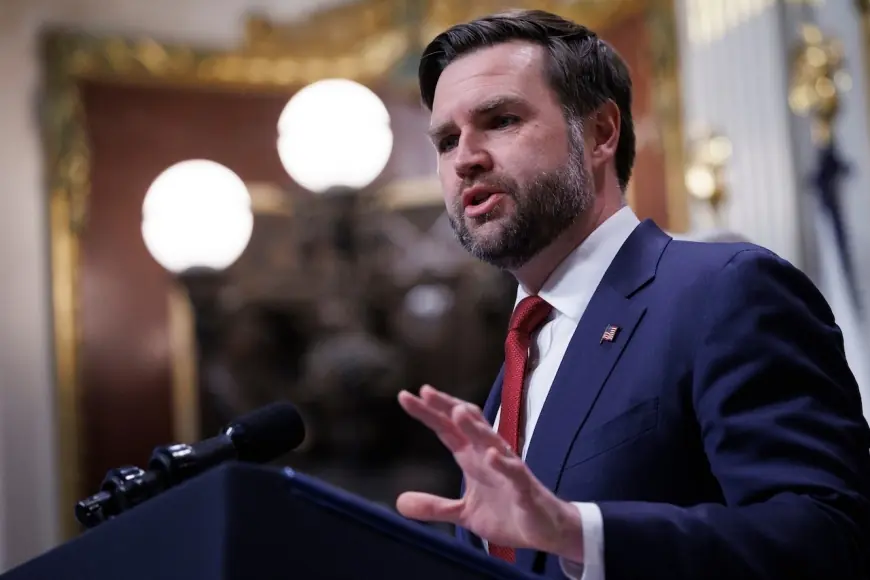
The Gang of Eight received a classified briefing on Iran just days before Operation Epic Fury began. Vice President JD Vance was simultaneously hosting last-ditch diplomatic meetings to prevent a war he now insists will not drag on. Here is the full story of how Washington's most powerful lawmakers were informed, sidelined, and ultimately bypassed as President Trump launched the biggest US military operation in decades.
What Is the Gang of Eight? The Group That Knew First
The Gang of Eight is the small group of congressional leaders constitutionally entitled to receive the most sensitive classified intelligence briefings the US government possesses. It consists of the Speaker of the House, the House Minority Leader, the Senate Majority Leader, the Senate Minority Leader, and the chairs and ranking members of both the House and Senate Intelligence Committees — eight leaders in total.
Senate Majority Leader John Thune is part of the Gang of Eight that received a classified briefing on Iran this week as the US built up military assets in the region, including two aircraft carrier strike groups. The briefing was held just days before bombs began falling on Tehran Saturday morning ET — making it one of the most consequential pre-war intelligence sessions in modern congressional history.
Rubio and Ratcliffe Brief the Gang of Eight on Iran
Secretary of State Marco Rubio and CIA Director John Ratcliffe briefed the Gang of Eight congressional leadership as well as top lawmakers on the Intelligence Committees at the White House on Tuesday at 3 p.m. The closed-door session came as the administration weighed next steps in the escalating standoff with Iran. The briefing took place just hours before Trump's State of the Union address on Tuesday evening.
Senate Minority Leader Chuck Schumer said after the classified briefing: "This is serious, and the administration has to make its case to the American people." Schumer's measured statement after the Gang of Eight session signaled that Democratic leaders left the White House understanding the situation was far graver than publicly acknowledged — but without any formal vote or authorization to show for it.
JD Vance Hosted Last-Ditch Iran Diplomacy the Day Before the War
Just 24 hours before bombs fell on Tehran, JD Vance was sitting across from Oman's foreign minister in Washington in a last-ditch attempt to prevent the very war that began the next morning. Omani Foreign Minister Badr bin Hamad Al Busaidi, the key mediator in ongoing US-Iran nuclear talks, met with Vice President JD Vance in Washington on Friday. Al Busaidi said the nuclear negotiations had so far achieved significant, important, and unprecedented progress.
The Wall Street Journal reported earlier Friday that the US team had presented tough demands for the Iranians, including that they destroy the three main nuclear sites at Fordow, Natanz, and Isfahan, and deliver all remaining enriched uranium to the United States. Iranian officials objected to these demands. The US team also insisted any nuclear deal must last forever with no sunset clauses. Iran rejected every condition — and the war began within hours.
Vance Said "No Chance" of a Long War — Hours Before the War Began
In a remarkable sequence of events, JD Vance gave a major interview on Thursday, February 27 — less than 24 hours before Operation Epic Fury launched — in which he specifically warned against the very conflict now unfolding. Vance insisted the United States was not about to enter into a years-long war with Iran. "The idea that we're going to be in a Middle Eastern war for years with no end in sight — there is no chance that will happen," Vance told The Washington Post during an interview on board Air Force Two.
Vance also stated: "I think we all prefer the diplomatic option. But it really depends on what the Iranians do and what they say." Within 18 hours of those words being published, US and Israeli jets were striking targets in Tehran, Qom, Isfahan, and across Iran's nuclear and missile infrastructure. Vance's assurances are now being scrutinized by Democrats and Republicans alike.
Thune Backs Regime Change After Gang of Eight Briefing
Not every Gang of Eight member left the classified briefing alarmed. Senate Majority Leader John Thune emerged from the Rubio-Ratcliffe session with a hawkish posture. Thune said: "If you're going to take some sort of action, I think you want to achieve a result that actually brings about the transformational change that I think we want in the region." His statement aligned closely with Trump's explicit call for regime change in Tehran.
Thune's backing for regime change after the Gang of Eight briefing is significant because it reveals that at least the Senate's top Republican left the classified session not alarmed — but energized. That posture helps explain why Senate Republicans subsequently blocked Democratic War Powers Resolutions designed to rein in the president's authority to act unilaterally against Iran without a congressional vote.
Vance's Role: Iran Hawk Who Preferred a Deal
JD Vance's position in the Iran crisis is nuanced and politically significant. He is not a traditional foreign policy hawk in the mold of Rubio or Graham. Vance said: "The president has told his entire senior team that we should be trying to cut a deal that ensures the Iranians don't have a nuclear weapon. But if we can't cut that deal, then there's another option on the table." He also said regime change was ultimately a decision for the Iranian people, not the United States.
Vance stated: "The president has been as crystal clear as he could be. Iran can't have a nuclear weapon — that would be the ultimate military objective if that's the route that they chose." From the Gang of Eight briefing to the last-minute Vance-Busaidi meeting in Washington, every diplomatic off-ramp was exhausted by Friday evening ET. By Saturday morning, the bombs were falling — and Congress, briefed but never consulted, was left watching a war it never authorized unfold in real time.