

























Unlocking Consciousness: Why Some People Can’t Visualize Mental Images

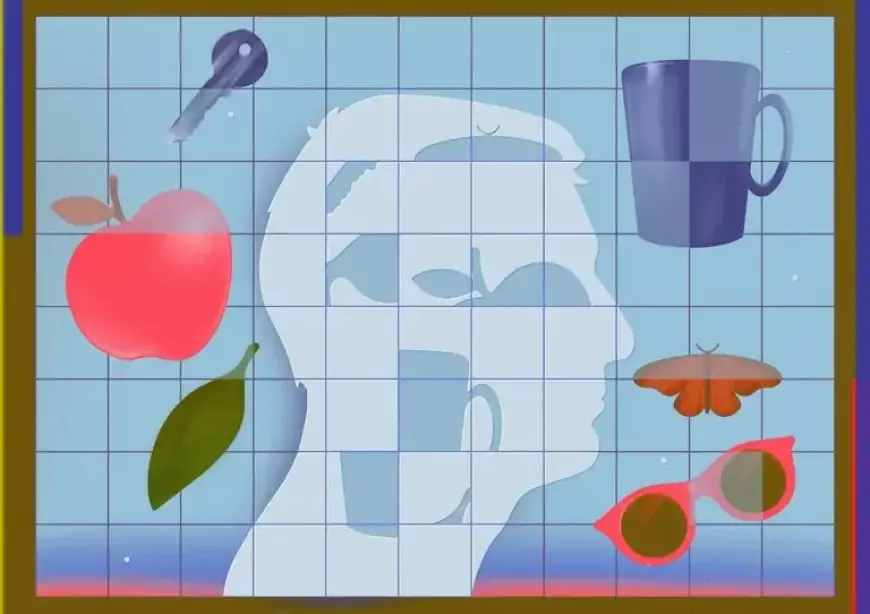
Many individuals effortlessly conjure vivid images in their minds when recalling past events or envisioning future scenarios. However, approximately 4% of the population experiences aphantasia, a condition characterized by an inability to visualize mental images. For those with aphantasia, thoughts may exist as concepts or words, but they describe their inner visual landscape as non-existent or obscured.
Aphantasia: A New Concept in Mental Imagery
The term “aphantasia” gained prominence around 2015, thanks to a seminal paper by neurologist Adam Zeman. This condition first caught Zeman’s attention in 2003 when he met a man who, following a heart procedure, lost his ability to visualize despite maintaining normal visual perception. The findings are vital for understanding the intricate nature of consciousness and mental imagery.
Research and Discoveries
Research into aphantasia has revealed significant differences in how individuals process and experience imagery. Here are some key findings:
- The emotional richness of memories tends to be diminished for individuals with aphantasia, leading to less vivid recollections.
- Aphantasia may have a genetic basis, with studies indicating a tenfold increased likelihood of its occurrence among siblings.
- This condition is notably more common in those working in scientific and technical fields compared to artistic professions.
Brain Function and Activity
Studies on the neurological basis of aphantasia are ongoing. Initial hypotheses focused on the visual cortex. Interestingly, people with aphantasia often activate this area similarly to those with typical imagery when attempting to visualize something. However, they cannot consciously access these images, suggesting a disconnect in brain function related to mental visualization.
Different Experiences and Perspectives
Research has shown that not all individuals with aphantasia experience it the same way. Some distinctions include:
- Individuals may have no sensory imagery, or they might visualize during dreams.
- About one-third of those with aphantasia report an ability to picture sounds or shapes with different modalities.
These variations highlight that aphantasia is not merely a deficit but an intriguing variation in mental processes that can offer insights into cognitive functions.
Implications for Memory and Behavior
Interestingly, aphantasia does not seem to affect performance in cognitive tasks that rely on memory. People with aphantasia generally perform well on standard memory tests and have shown competencies in spatial reasoning sometimes seen in individuals with vivid imagery.
Studies have also demonstrated that aphantasia affects the nature of autobiographical memory. People with aphantasia often recall fewer details. Their drawings from memory lack color and detail, yet they can spatially recognize objects effectively.
Conclusion: Understanding Aphantasia
Aphantasia presents an opportunity for scientists to explore how mental imagery influences various aspects of cognition, memory, and emotional processing. Future research may illuminate the underlying mechanisms of this fascinating condition, enhancing our understanding of mental imagery and consciousness.
By examining the brain connectivity patterns and variability among individuals, researchers hope to unravel the complexities of aphantasia and its broader implications on human cognition and emotional experience.
With the rise of interest in this subject, those intrigued by the mind’s capabilities continue to seek answers and potentially innovative solutions for enhancing mental imagery skills.