

























NTSB: Bird Strike Forced Alaska Airlines Flights Call Sign 2616 to Make Emergency Landing after Engines Ingested Eight Geese

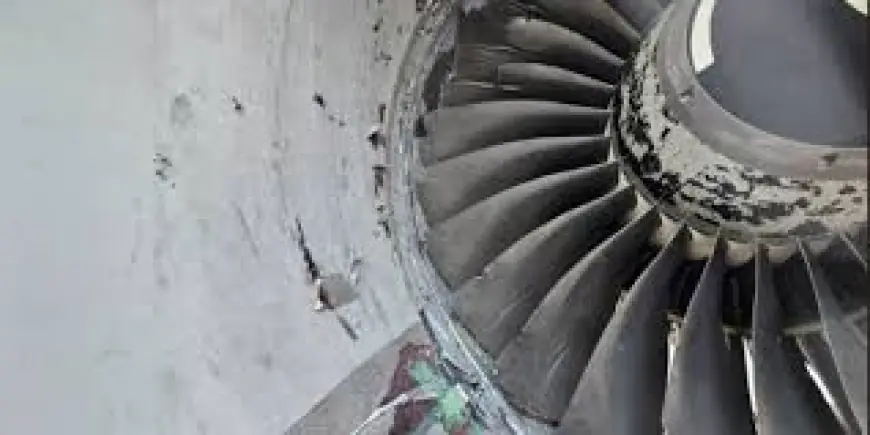
An Amazon-operated cargo Airbus A330-300 using the call sign Alaska Airlines 2616 made an emergency return to Cincinnati/Northern Kentucky International Airport after ingesting eight Canada geese shortly following takeoff. The new National Transportation Safety Board account describes how the strike at roughly 900–1, 000 feet damaged both engines, filled the cockpit with smoke and prompted an immediate emergency landing.
Alaska Airlines Flights call sign 2616 returned to CVG after goose strike
The flight departed Cincinnati/Northern Kentucky International Airport (CVG) bound for George Bush Intercontinental Airport in Houston and climbed to about 900–1, 000 feet when the captain, who was acting as the pilot monitoring, shouted "Birds!" and the crew felt multiple impacts on the left and right sides of the airplane. The aircraft had been airborne for eight minutes; it lifted off near 3: 05 p. m. local time and landed at 3: 13 p. m.
Two people were on board the Amazon cargo flight. The captain alerted air traffic control, declared an emergency and requested a return to CVG. During the turn back, smoke entered the cockpit and the flight crew donned oxygen masks while they configured the airplane for landing. The crew later determined the smoke had dissipated and removed their masks for the remainder of the approach and landing.
NTSB details engine damage, cockpit smoke and onboard response
Investigators from the National Transportation Safety Board who examined the aircraft found bird remains on the left main landing gear door and strut, and airport rescue and firefighting personnel recovered the remains of eight Canada geese after the airplane stopped on the runway. Both engines showed signs of bird ingestion. The left engine sustained substantial damage and its fan was visibly misaligned and had restricted rotation. The right engine had damage to the inlet cowl acoustic liner but its fan still rotated freely.
The Federal Aviation Administration confirmed the event and the NTSB said its investigation is ongoing. After landing, rescuers inspected the airplane and found no evidence of fire; the aircraft was towed to the ramp once ground crews completed their checks.
The immediate chain is clear: a flock of geese struck the airframe at low altitude, bird ingestion compromised engine performance and smoke entered the flight deck, which compelled the crew to declare an emergency and return to the airport. The crew’s rapid donning of oxygen masks and configuration for landing were direct responses to those failures and likely contributed to the safe outcome.
What makes this notable is how quickly multiple failures emerged after a single bird-strike event—within minutes the crew went from climb to emergency descent and landing—underscoring the narrow window pilots can face when wildlife hazards intersect with critical aircraft systems.
The NTSB will continue its examination of the engines and airframe to determine contributing factors and any safety recommendations. The incident adds to a body of investigation into bird strikes and their operational impacts on transport-category aircraft, and it remains under formal review.
The phrase alaska airlines flights appears in public records describing the operating call sign used for the service; investigators continue to gather and analyze maintenance and flight data as part of the ongoing probe.