
























Monarch Legacy Of Monsters Season 2 Pulls Off What Most Marvel Shows Still Struggle To Do

This update on Monarch Legacy Of Monsters, which contains minor spoilers for season 2, arrives with a sophomore run that early reactions say manages the hard work of being both part of a larger cinematic universe and a satisfying, self-contained series. The season premieres on a streaming service on February 27 and has been singled out for balancing big, film-quality Titan sequences with focused human drama.
Monarch Legacy Of Monsters: How Season 2 Handles the Shared-Universe Challenge
The second season is being viewed as an example of how a television entry can live inside a franchise without awkwardly hiding its connections. Where earlier shared-universe experiments in other franchises struggled—some shows wrestled with syncing episodic TV beats to blockbuster timelines, and later streaming efforts felt both too tied-in and too disconnected—this season of Monarch avoids obfuscation about when, where or how it links to the feature films. The series keeps stakes and scale sufficient to feel cohesive on its own while never growing so large that its lack of mention in the films becomes jarring.
Titans, Titan X and the VFX That Make TV Feel Cinematic
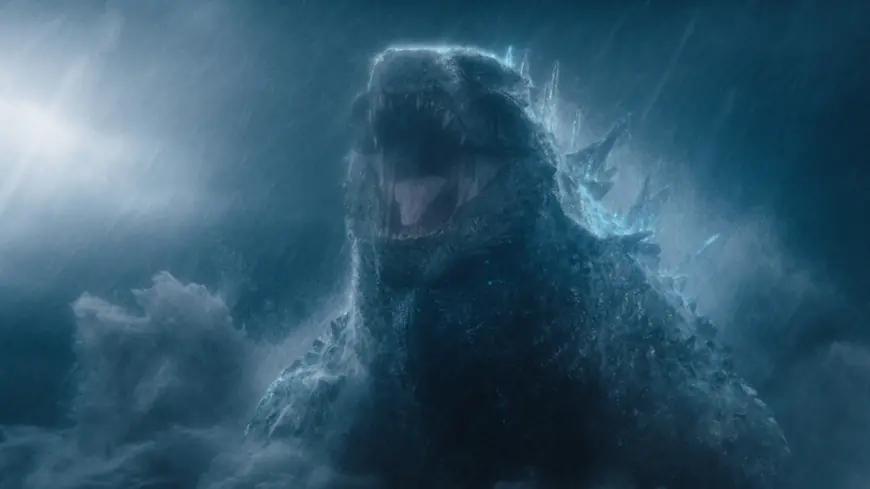
One of the season's most remarked-on strengths is the increased presence of Titans. The run gives generous screen time to Kong, Godzilla and a new creature called Titan X, all rendered with what reviewers describe as feature-film-quality visual effects. Even episodes without Godzilla or Kong still deliver Titan activity, which helps the series land the sense of spectacle typically reserved for theatrical releases.
Human Characters, Casting and the Series' Connection to Skull Island
Despite the franchise's emphasis on monstrous leads, Monarch doubles down on human drama. The series split its story in its first season between two half-siblings searching for their missing father in the present and a group of researchers in Monarch's early days; that dual-timeline structure returns and remains central to how the show connects past and present. Actors highlighted for anchoring the emotional core include Kurt Russell, Wyatt Russell, Anna Sawai and, new this season, Amber Midthunder. The humans here are frequently described as the most consistently compelling characters in the universe since the 2017 film that introduced a major connection point for the series.
Apex Cybernetics, Coexistence and the Seeds of Future Films
The season premiere, titled "Cause and Effect, " establishes a shifting power dynamic: Monarch is no longer the only entity in charge of Titan knowledge or response. A rival tech company, Apex Cybernetics, is portrayed in ways that fill gaps from the films and set the stage for an eventual heel turn later in the franchise. A key exchange between protagonist May (Kiersey Clemons) and Apex CEO Brenda Holland (Dominique Tipper) reveals Brenda's nascent plan for Titan X and other kaiju—one that centers on coexistence. That idea, while not yet broadly accepted in the series' 2017 timeline, echoes themes explored in a later, divisive sequel film in the franchise and helps tie the show's events to larger franchise developments, including the eventual creation of Mechagodzilla in a subsequent feature.
Pacing, Emotional Stakes and Early Critical Threads
Early reviews emphasize a cleaner narrative flow this season. Observers note that the first half moves briskly, propelled by major Titan set pieces and plot twists in both timelines. The back half reportedly slows in places before introducing a structural device that delivers poignant emotional turns and helps close the season with unexpected resonance. Praise centers on the season's ability to be both action-packed and emotionally driven: the scale is described as massive, the kaiju combat explosive and brutal, and the writing more mature with personal stakes for characters. Some critiques flag a few exposition dumps and narrative drops and suggest the show could further evolve the perceived threat level, but overall the season is framed as a confident expansion of the franchise that deepens investment in both human and inhuman players.
What Comes Next: Franchise Impact and Viewer Expectations
Beyond immediate plotlines, viewers should watch how the coexistence thread and Apex's ambitions ripple outward. The season is explicitly planting seeds for franchise beats that franchises will revisit in later films; those elements will test whether audiences accept early experiments in living with Titans or react against them. At the same time, the season's blend of cinematic Titan spectacle and character-driven storytelling suggests a template for how in-universe series can succeed without relying on A-list cameos—an advantage rooted in the fact that the franchise's stars are often monstrous rather than human, meaning the show can deploy its central figures more freely than properties tied to expensive human actors. Recent responses position this season as both a high-water mark for franchise television and a narrative hinge for what may come next.