

























Uss Gerald R Ford Nears Record Deployment After Extended Atlantic and Mediterranean Tour

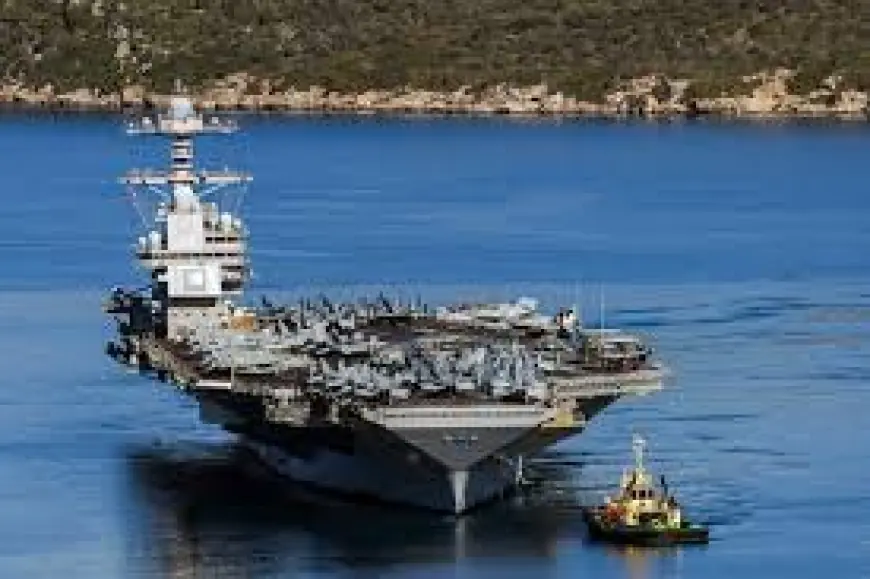
The uss gerald r ford remains at sea well beyond its planned rotation, reaching 241 days as of Feb. 20 (ET), and could exceed 294 days if it remains deployed past mid‑April. What began as a routine Mediterranean rotation has expanded into sustained operations across multiple theaters, intensifying scrutiny of carrier scheduling and sailor dwell time.
Uss Gerald R Ford Readiness and Logistics
The Navy framed the mission around endurance and sustainment, highlighting crew resilience and continuous operations. Ship figures cited include more than 4 million meals served and more than 400, 000 gallons of potable water produced daily, along with expanded satellite connectivity intended to help sailors stay in contact with families. the ship remains fully mission capable.
Deployment Path and Regional Moves
The uss gerald r ford departed Naval Station Norfolk on June 24, 2025, for what was expected to be a routine Mediterranean rotation. The strike group first operated in the Atlantic and the U. S. Sixth Fleet area, then shifted west through the Strait of Gibraltar in November 2025 for missions in the Caribbean under U. S. Southern Command. That move prompted a military mobilization announcement from Venezuelan officials when the carrier entered the Caribbean. Pentagon statements tied the shift to an expanded U. S. posture aimed at disrupting illicit activity, with additional air assets staged in Puerto Rico as tensions escalated.
Operational Test and Forward Outlook
After additional orders sent the carrier back across the Atlantic into the Mediterranean amid rising tensions involving Iran, the extended timeline has placed the deployment among the longest active stints in the fleet. The Ford, as the lead ship of its class, incorporates the Electromagnetic Aircraft Launch System and advanced arresting gear. Navy commentary framed the extended deployment as a sustained real‑world operational test of that design, offering continuous evaluation of sortie generation, maintenance cycles and engineering systems under prolonged demand.
By the numbers: as of Feb. 20 (ET) the deployment had reached 241 days. If the carrier remains deployed past mid‑April, it would exceed 294 days at sea, a post‑Vietnam era benchmark. That threshold has become a concrete marker for planners weighing fleet scheduling, maintenance pacing and sailor dwell time. If the ship continues into late spring, the Navy will have additional operational data on how new carrier systems and logistics practices perform over an extended, multi‑theater deployment.
Key takeaways:
- The extended deployment has moved the carrier through the Atlantic, Caribbean and Mediterranean, and back across the Atlantic into the Mediterranean amid regional tensions.
- Logistics figures and connectivity upgrades highlight the scale of sustainment needed for a carrier operating continuously for many months.