
























Mexico News: Security Shake-Ups, Cartel Pressure, And World Cup Questions Drive The Latest Headlines

Mexico is moving through a volatile stretch as security concerns, U.S. anti-cartel measures, and high-profile political appearances converge. The latest mexico news cycle is being shaped by renewed attention on cartel leadership, a surge in violence in parts of the country, and growing scrutiny over preparations for the 2026 World Cup. For readers in the United States, the United Kingdom, Canada, and Australia, the developments are translating into practical questions about tourism safety, cross-border coordination, and the stability of major institutions.
Mexico News Snapshot: What’s Driving Attention Today
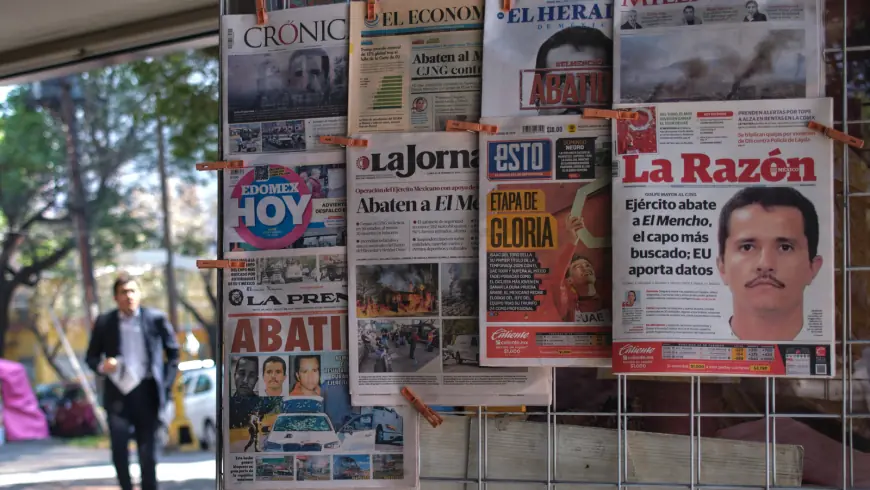
Friday’s mexico news focus centers on security and governance. Mexico’s federal leadership is under pressure to demonstrate control in regions experiencing spikes in organized-crime violence. At the same time, Washington has increased incentives for information tied to alleged cartel figures, underscoring the continued U.S. role in Mexico’s security landscape.
| Development (ET) | What it is | Why it matters outside Mexico |
|---|---|---|
| Thursday, Feb. 26 | U.S. reward offers tied to alleged Sinaloa Cartel bosses | Cross-border enforcement, fentanyl politics, and travel concerns |
| Friday, Feb. 27 | Mexico’s president visits Sinaloa amid factional cartel fighting | Signals federal priority and potential for escalated operations |
| Late February | World Cup security assurances emphasized after unrest | Impacts international travel confidence and tournament planning |
| Thursday, Feb. 26 | Major broadcaster begins bankruptcy proceedings | Raises questions about corporate stability and media markets |
U.S. Rewards Raise Pressure On Sinaloa Figures
A major U.S. escalation this week involves new reward offers tied to information leading to arrests or convictions of alleged Sinaloa Cartel bosses. The move fits a familiar pattern: Washington blends law enforcement tools, financial pressure, and public incentives to target networks believed to be central to trafficking routes.
For U.S. audiences, the immediate relevance is political as well as practical. The policy conversation around border security and fentanyl remains intense, and high-profile reward announcements often signal that specific figures have moved up enforcement priority lists. For Canada and the UK—both grappling with synthetic opioid harm—the development highlights how Mexico’s security dynamics can ripple into global supply chains. Australia, while geographically distant, has also tracked international trafficking networks that intersect with North American routes.
Claudia Sheinbaum’s Sinaloa Visit Signals A High-Stakes Moment
Mexico’s president, Claudia Sheinbaum, is making a high-visibility visit to Sinaloa as factional cartel violence draws fresh attention. Sinaloa carries symbolic and operational weight in Mexico’s security story, and a presidential appearance is typically meant to project authority, reassure residents, and coordinate federal response.
The optics matter because public confidence can be as critical as tactical gains. When violence spikes, residents, businesses, and local governments look for evidence that federal forces can stabilize key corridors. For foreign travelers and companies with staff in Mexico, the visit will be watched for signs of whether conditions are trending toward containment—or toward sustained disruption.
Cartel Unrest Keeps Tourism And Business Risk In Focus
Recent violence linked to cartel conflict has again raised questions about tourism confidence, especially in areas that rely on international visitors. While Mexico remains one of the world’s most visited countries, localized surges in violence can quickly shift travel behavior.
For travelers from the U.S., Canada, the UK, and Australia, the practical reality is that risk varies dramatically by state and even by municipality. Airport hubs and resort zones can operate normally while nearby regions face road blockades, targeted attacks, or sudden security operations. Businesses with supply chains and on-the-ground teams are also watching for disruptions to freight movement and staffing.
A separate complication is the spread of fear narratives online that can amplify uncertainty. In fast-moving security situations, misinformation can exaggerate geographic scope, intensify panic, and trigger abrupt cancellations.
World Cup 2026 Preparations Face A Security Stress Test
Mexico has reiterated security guarantees for hosting World Cup matches in 2026, even as cartel-related violence dominates headlines. The tournament’s scale makes security planning unusually complex, with layered responsibilities across municipal, state, and federal authorities, plus coordination with international partners.
For global fans, the question isn’t only whether stadiums can be protected, but whether surrounding transit routes, fan zones, and hospitality districts can sustain safe operations across many weeks. The World Cup also concentrates international attention, increasing the reputational stakes for Mexico’s government and host cities. For the U.S. and Canada—co-hosts alongside Mexico—confidence in cross-border planning is becoming a bigger part of the conversation as the calendar narrows.
Corporate And Cultural Headlines Add To The Week’s Mexico News Mix
Beyond security, late-week mexico news has included corporate turbulence, with a major Mexican broadcaster announcing bankruptcy proceedings. That development is being watched for possible effects on creditors, employees, advertising markets, and broader investor confidence.
Mexico has also taken legal steps abroad tied to cultural heritage disputes involving pre-Columbian artifacts slated for auction outside the country. These cases tend to resonate internationally because they sit at the intersection of cultural preservation, private collecting, and national patrimony laws—issues that regularly surface in the UK, North America, and Australia as well.
As Mexico enters March, the near-term outlook hinges on whether federal actions can reduce violence hotspots without triggering broader destabilization, and whether World Cup planning can continue without security headlines setting the narrative.