






















Chelsea Clinton wedding claim shifts the focus of Clinton testimony and the Epstein story

What changes now is a shift from isolated testimony to a renewed spotlight on proximity, narrative control and political risk. Hillary Clinton has said Ghislaine Maxwell attended Chelsea Clinton's wedding, and that detail is circulating just as a deposition and congressional probe related to the Epstein files move forward. That simple attendance claim is amplifying questions about who sits near whom in elite networks—and what those connections mean for ongoing testimony.
Why the Chelsea Clinton detail matters for testimony and the broader narrative
That wedding-guest detail changes the emphasis of public and political scrutiny. Instead of treating testimony as a narrow procedural matter, attention now centers on relationships and how they are remembered or described in formal statements. The presence—or invitation—of a controversial figure at a high-profile social event invites comparisons between personal recollection and institutional questioning during depositions and committee exchanges. Here's the part that matters: proximity often shapes perception, and perception shapes political consequence.
What’s known from recent coverage and related threads
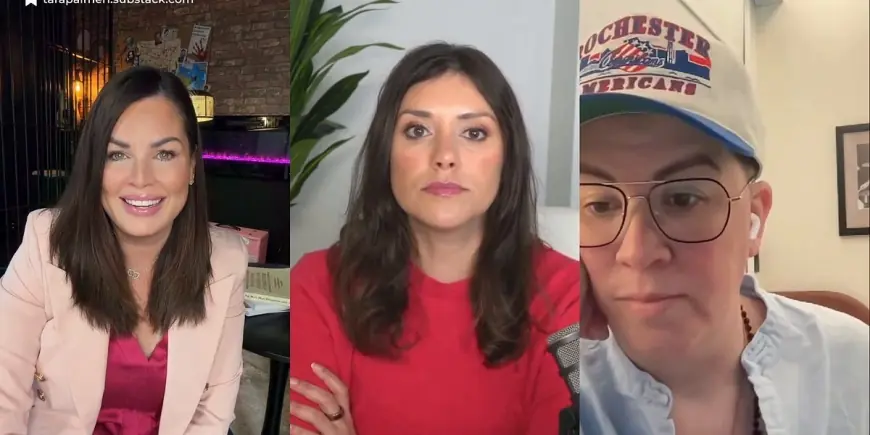
Key, verifiable elements in recent coverage include: Hillary Clinton stating that Ghislaine Maxwell attended her daughter Chelsea Clinton's wedding; separate video coverage raising the question of why Maxwell was at that wedding in the run-up to a deposition tied to a congressional probe of the Epstein files; and commentary connecting Maxwell’s invitations to elite events with wider conversations about power and access.
Additional context in these threads notes that one written testimony tied to the broader inquiry says the author does not recall encountering Epstein and says they never flew on his plane or visited his island, homes or offices. Coverage also highlights a current online movement seeking to reframe the established narrative about Epstein, and a forensic psychologist has been cited unpacking why some people resist labeling powerful men as predators and how wealth and status can distort judgment.
There are also references to missing files related to other public figures and questions about withheld documents, which feeds into broader concerns about what evidence remains available to investigators and historians.
- Key threads converging now: wedding attendance claim → deposition timing → public debate over proximity and narrative control.
- The written testimony element shifts the focus from anecdote to formal record; discrepancies between recollection and record tend to get amplified in congressional settings.
- Conversations online contesting the accepted account of Epstein’s conduct are part of the environment shaping how these new details are interpreted.
It’s easy to overlook, but the bigger signal here is how a social detail can compound pressure on testimony and fuel reinterpretation campaigns—both institutional and grassroots—around the same set of events.
The real question now is how investigators, lawmakers and the public reconcile personal recollections with written testimony and documentary gaps. What follows will depend on whether the deposition and related inquiries surface corroborating records or clarify timelines.
Quick Q&A
Q: Did a public figure say Maxwell attended the wedding? A: Yes; that statement has been made and circulated in recent coverage.
Q: Why does that matter now? A: The claim intersects with an active deposition and a congressional probe tied to the Epstein files, intensifying scrutiny of relationships and memory in testimony.
Q: What could change the picture? A: New documentary evidence, clarifying testimony in depositions, or additional corroboration that addresses gaps in the record would shift the debate.
Readers should expect the narrative to evolve as depositions and inquiries proceed; details may be clarified or reframed as more formal records are presented. If you’re wondering why this keeps coming up, it’s because proximity—who attended which event—has become a shorthand for larger questions about influence, memory and accountability.