























Sara Eisen Guest-Hosts The View and Sparks Heated Tariff Debate

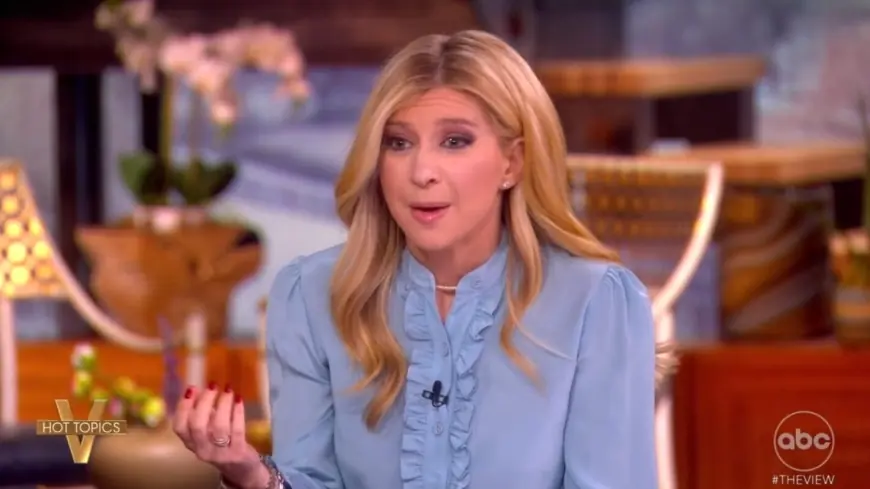
sara eisen stepped into The View panel on February 26 as the show’s third guest host during Alyssa Farah Griffin’s maternity leave, and her appearance quickly turned into a contentious exchange about tariffs and winners in the market. The segment drew notice because it came on the heels of a recent 6-3 Supreme Court decision that removed a legal basis for the tariff program under debate.
Sara Eisen Faces Pushback from Sunny Hostin and Joy Behar
The CNBC anchor found herself answering sharp questions from cohosts Sunny Hostin and Joy Behar after suggesting that the market had largely reacted positively to policies tied to President Donald Trump. Eisen argued there was "upbeat sentiment from companies and from investors" for growth-friendly policies and said that, while tariffs typically harm growth, the effect had not been as severe as many predicted.
Hostin pressed on the distributional impact, contending that the benefits favored wealthy investors while leaving minimum-wage workers with little stock-market exposure. Behar characterized the outcome as helpful for richer households but not for poor or middle-income people, and Eisen pushed back by noting that companies had absorbed much of the cost and that corporate profitability remained high.
The back-and-forth escalated until moderator Whoopi Goldberg interrupted to move the conversation along. Goldberg also welcomed Eisen at the top of the show, noting that the segment offered a rare opportunity to hear from a financial journalist on the panel. Throughout the exchange Eisen urged greater stock-market participation for more Americans as a partial remedy for uneven exposure.
Supreme Court 6-3 Decision Framed the Conversation
The timing of the segment mattered: it arrived after the Supreme Court issued a 6-3 ruling that found the president did not have authority under the International Emergency Economic Powers Act of 1977 to impose the contested tariffs. That legal development set the news agenda and directly informed the panel’s discussion, prompting questions about policy, market reaction, and who ultimately bears the cost.
Because the court had recently curtailed the administration’s legal footing for the tariff program, Eisen’s assessment of corporate and investor sentiment landed in a sharper context—what had been an academic policy debate became an immediate question about market winners and losers. The effect was a segment in which policy, law, and market behavior converged on live television, producing an unusually pointed exchange for the program.
CNBC Anchor’s Background and Viewer Reaction
sara eisen was introduced as the show’s third substitute while Alyssa Farah Griffin remains on maternity leave, following earlier stand-ins Savannah Chrisley and Amanda Carpenter. The Richmond native, who studied at NYU and Northwestern, is a CNBC anchor who coanchors Squawk on the Street and previously worked at Television. The Marching roles she has held at the network include coanchoring morning and daytime business programs.
The clip of the discussion circulated on social media, prompting a range of reactions: some viewers praised the financial perspective as a reality check for what they described as a privileged panel, while others criticized the hosts for talking over the guest and not giving her space to explain her points. One common thread in online commentary was frustration that Eisen’s technical points about market exposure and corporate profits did not get a sustained airing amid the rapid-fire interruptions.
What makes this notable is how a single short segment compressed legal, economic and social dimensions—Supreme Court action, investor sentiment and the distributional effects of tariffs—into a moment that tested the panel’s ability to interrogate complex economic policy on live television. The exchange left clear evidence that policy rulings can instantly reshape the frame for mainstream media discussion and that introducing a specialized financial voice onto an opinion-oriented panel can change the tone and focus of the conversation.