






















Reform UK Refers Observer Allegations to Police After 32 Cases Noted — What Is Family Voting?

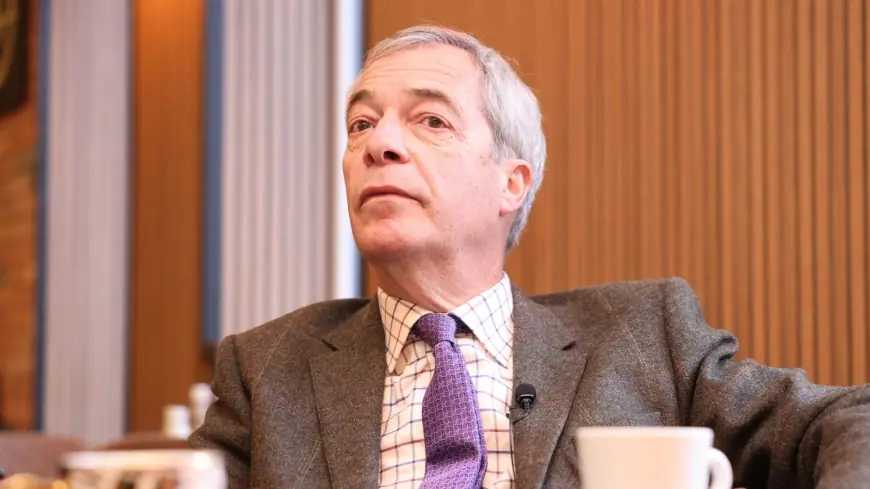
Nigel Farage has taken formal action after election monitors documented apparent breaches of the secret ballot at the Gorton and Denton by-election, reporting the incidents to Greater Manchester Police and the Electoral Commission. The move follows an observer group's claim of unusually high levels of what is family voting, prompting calls from multiple parties for investigations into polling conduct.
What Is Family Voting: Democracy Volunteers' description
Democracy Volunteers defines family voting as situations where one voter appears to influence another’s choice, including entering the polling booth together or directing how someone should vote. The group said the practice is made explicitly a breach of the secret ballot by the Ballot Secrecy Act 2023. What is family voting emerged as a central question after observers recorded 32 instances during their deployment in Gorton and Denton.
Democracy Volunteers' observations and methodology
The organisation, founded by Dr John Ault and supported by Prof Robert Haywood, deployed four accredited election observers who attended 22 of the constituency’s 45 polling stations while polls were open. Working in pairs, the team spent between 30 and 45 minutes at each station and observed a sample of 545 voters. They said family voting was seen in 15 of the 22 polling stations they visited, identifying 32 cases in total and noting nine instances at a single station. That sample led them to conclude roughly 12% of the voters they observed were either directed or affected by family voting.
Police, Electoral Commission and council responses
Greater Manchester Police confirmed a report has been made and stated it is reviewing the material and will provide a further update in due course. Reform UK has also lodged the matter with the Electoral Commission and called for an investigation. Manchester city council said its staff had been trained to look for evidence of voter interference and that no concerns were reported or raised with council staff while polls remained open.
Electoral context and comparisons with other by-elections
Democracy Volunteers framed the Gorton and Denton figures as the highest levels of family voting in its 10-year history of observing UK elections. The group contrasted these observations with an earlier Westminster parliamentary by-election in Runcorn and Helsby, where it recorded family voting in 12% of polling stations affecting 1% of voters. In Gorton and Denton, the observers said family voting appeared in 68% of the polling stations they sampled and affected about 12% of voters in their sample.
Political reactions and official statements
Nigel Farage, whose party’s candidate Matt Goodwin finished second to Green candidate Hannah Spencer, said the incidents raised “serious questions about the integrity of the democratic process in predominantly Muslim areas” and warned of potential coercion with postal votes if left unchecked. The Green Party dismissed those claims as an attempt to undermine the result and said its victory was achieved by a comfortable margin. Reform UK chair David Bull described electoral fraud as a stain on democracy and supported reporting the incidents "in the spirit and fairness with the law. " The Conservative Party also wrote to the Electoral Commission seeking a full investigation into the Democracy Volunteers' allegations.
Labour called the reports “extremely worrying and concerning. ” Anna Turley, the party chair, said evidence and the observers’ report must be examined before making decisions about further action. Green party leader Zack Polanski said he would back an investigation and full transparency about the democratic process.
Other polling irregularities observers recorded
Observers also noted practical issues at polling stations: signage discouraging family voting was visible in only 45% of the stations they monitored, and volunteers recorded instances where voters were turned away because they were not registered to vote in Westminster elections — for example EU citizens eligible only in local polls. They reported seeing voters take photographs of ballot papers and a case described as one person being authorised to vote despite them already — unclear in the provided context.
What makes this notable is the combination of a concentrated set of observations — 32 instances, nine in a single location, and a 545-voter sample showing a 12% effect rate — which moved a national party leader to refer the matter to both police and the electoral regulator, setting the stage for formal reviews of the conduct at these polling stations.