






















Burger King Whopper Changes Put Customers, Franchisees and Crew First as Brand Reclaims Quality

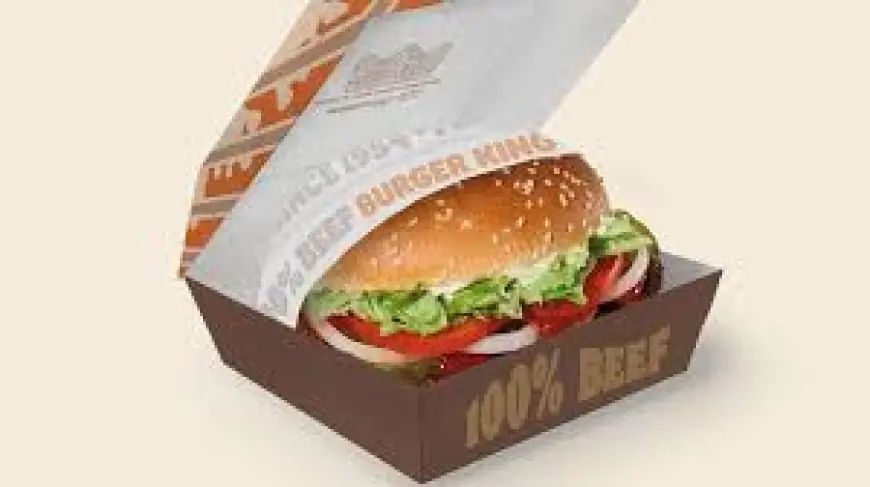
The Burger King Whopper Changes land as a customer-facing push that also reaches back into franchise economics and store operations. Customers who complained are the immediate target — the sandwich gains a glazed bun, a reformulated creamier mayo and boxed packaging — while franchisees and crew will feel the ripple through cost questions, refranchising moves and a new voice-AI headset aimed at smoothing service.
How Burger King Whopper Changes affect diners, franchisees and in-store teams
Here’s the part that matters: diners get a more deliberately designed Whopper while franchisees and crews take on implementation and operational adjustments. The company says investments were made with franchisees to keep costs from rising, but it declined to share specific impacts on cost-of-goods-sold. The chain has been focused on boosting four-wall profits after several major operator bankruptcies, so maintaining margins while improving perceived quality is central to the plan.
Writer's aside: It’s easy to overlook how an ingredient tweak or packaging swap can change labor flow and waste at the store level; those operational details often decide whether a product update succeeds broadly.
What changed on the sandwich
Rather than altering the meat or the lettuce, tomato and onion toppings, the update centers on three visible elements: a glazed bun, redesigned packaging (moving from a paper wrap to a box to preserve sandwich integrity), and a reformulated, creamier mayonnaise intended to taste better and balance flavors. The company says these enhancements were tested in select markets and performed well after a development process that spanned years. The changes were informed by direct Guest feedback focusing on bun quality, topping freshness, flavor balance and overall consistency — a direct response to customers who complained and an effort to deliver a higher-quality experience.
Patty: the voice-AI headset rolling into kitchens
Operations are being modernized alongside menu tweaks. The brand is deploying a voice-AI tool for restaurant headsets called "Patty, " designed using an OpenAI voice model. Patty is meant to unify point-of-sale, kitchen equipment, inventory and digital ordering into one command center. It can remove out-of-stock items from digital ordering channels and the brand's app, answer questions about menu preparation and product details without interrupting service, and analyze drive-thru audio to promote order accuracy and provide coaching insights. Other large quick-service companies have pushed similar back-of-house automations; one competitor launched an in-house system that includes an AI-powered coaching app active across thousands of restaurants.
Reclaim the Flame, refranchising and marketing fees as strategic context
The updates come as part of a broader, years-long Reclaim the Flame program that will continue with renewed emphasis on core menu food quality and accelerated refranchising. Leadership presented a set of strategic initiatives at an investor day intended to extend and expand that brand renewal; the plans include changes to core menu items, broader operational use of AI, an extension of a higher marketing fee rate, and continued refranchising of restaurants formerly operated by Carrols. Those four strategic shifts are framed as a continuation of recent work to reposition and modernize the brand in its core market. When Reclaim the Flame launched in 2022, unclear in the provided context.
Testing, cost signals and next possible turns
- Tested in select markets: the company says the updates performed well after multi-year development.
- Cost transparency: the company declined to share specific cost-of-goods-sold impacts but noted joint investment with franchisees while seeking to avoid higher costs.
- Operational signal: rollout of "Patty" could reduce stockouts on digital menus and drive operational coaching drive-thru audio analysis.
The real question now is whether boxed packaging, a glazed bun and creamier mayo will shift guest perception enough to justify the operational changes. A separate, unrelated item in the provided material displayed a browser compatibility notice urging users to update to a modern browser for the best online experience; unclear if that affects digital-order behavior for this brand in the immediate term.
Overall, the Burger King Whopper Changes combine a visible product refresh with back-of-house automation and corporate-level moves on fees and franchising. Customers are the immediate audience for the menu tweaks; franchisees and crew will feel the operational and financial implications as the company attempts to balance perceived quality and four-wall profitability.