























Ian Huntley assault reverberates: who is affected as the Soham murderer fights for life and national headlines collide

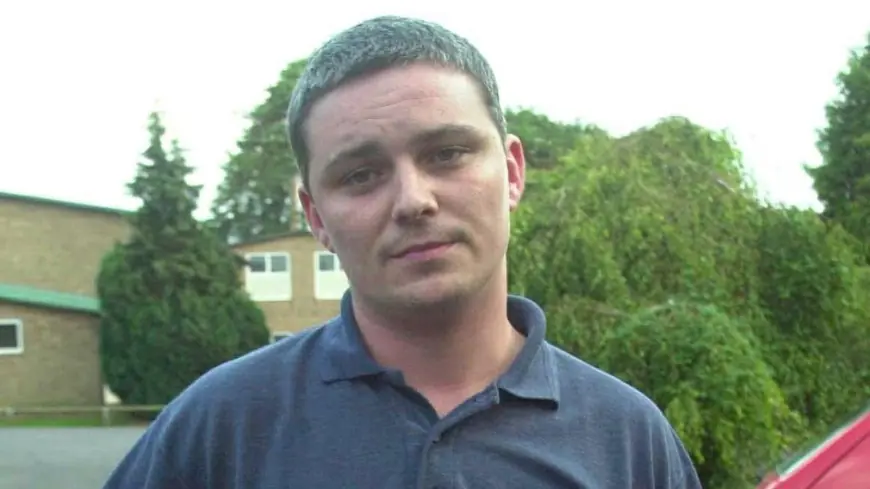
The prison attack that has left Ian Huntley fighting for life matters first to the people and services on the frontline: the prisoner himself, the emergency medics who responded, forensic teams and the prison population where the incident occurred. It also reopens public focus on the 2002 murders and lands alongside a string of front‑page national stories that stretched from youth unemployment to migration and parliamentary battles.
Impact-first: immediate strain on medics, investigators and the prison community — Ian Huntley
Here’s the part that matters: the physical severity of the assault placed medical and investigative resources under immediate pressure. Emergency services were dispatched and a patient required hospital treatment; police forensic teams spent the day examining the scene in the prison workshop; prison the injured prisoner was receiving treatment while police continued their probe.
What’s easy to miss is how an attack inside HMP Frankland ripples beyond the cell where it happened — from emergency crews to the long-running public and legal aftershocks tied to the original crimes.
Event details and official responses
The assault happened in a workshop at HMP Frankland in County Durham. The injured man is a 52-year-old prisoner who was found in a pool of blood with head injuries and taken to hospital. Emergency services received a call at 9. 23am on Thursday 26 February 2026 about an incident at HM Prison Frankland. Two ambulance crews were dispatched and support was requested from the Great North Air Ambulance Service; one patient was transported to hospital by road.
Durham Constabulary stated the 52-year-old prisoner who was injured during the morning assault remains in a serious condition in hospital following treatment for head injuries, and that police forensic teams examined the scene throughout the day to gather evidence. A suspect, described as a male prisoner in his mid-40s, has been identified; that person has not been arrested but remains in detention within the prison. A Prison Service spokesperson said a prisoner is receiving treatment after an incident at HMP Frankland and that it would be inappropriate to comment further while police investigate.
The attack has also been described elsewhere as a battering around the head with a metal bar in a workshop setting. One account said the attacker shouted, “I've done it, I've done it!” and another identified a named suspect aged 43. There is ambiguity between accounts about whether the injured prisoner was airlifted or transported by road.
Context on the man injured: he was convicted of the murders of 10-year-olds Holly Wells and Jessica Chapman in Soham, Cambridgeshire, in 2002 and is serving a life sentence with a minimum term of 40 years at HMP Frankland. The disappearance and murders captured national attention in 2002; the two girls had left a family barbecue to buy sweets, were killed that August and their bodies were later dumped in a ditch.
This is not the first serious attack on him inside Frankland. In 2011 an inmate who slashed his throat with a makeshift knife was jailed for life. Damien Fowkes was sentenced to a minimum of 20 years for the attempted murder of Huntley in March 2010 and for the manslaughter of Colin Hatch; Fowkes inflicted a wound seven inches long and it was later said it was only good fortune the weapon missed anything vital.
How the prison story landed among other national headlines
On the same day national front pages ran a wide set of stories: a front page headlined that parents have become an “invisible welfare state” while Alan Milburn, who is leading a government review into youth unemployment, warned parents are often coping with the mental health crises of children struggling to find jobs. The number of young people Not in Education, Employment, or Training (NEET) was described as perilously close to one million, with calls for Chancellor Rachel Reeves to act amid fears for 16 to 24-year-olds.
Parliamentary debate over assisted dying was portrayed as in danger of collapse, with Lord Falconer accusing peers of filibustering and Baroness Berger defending prolonged scrutiny as necessary because the bill is not safe in its current form. Separately, experts warned a drop in migrant workers would be “a car crash” for the NHS and care homes, with analysis indicating the number of foreign nurses granted entry has fallen by 93% over three years using Home Office figures examined by the Work Rights Centre.
Home Office figures showing only 6% of Channel migrants were deported last year prompted criticism from Reform UK and senior Conservative MPs who said Labour lacks backbone; the minister for border security and asylum, Alex Norris, said the latest figures show the government is making progress but more must be done to stop people crossing the Channel illegally. Another front page highlighted a Brexit‑deal measure that would allow Spanish police to patrol Gibraltar with powers to make arrests and monitor borders, a step said to break a prior pledge for no boots on the ground — Gibraltar’s chief minister Fabian Picardo denied that characterisation. A West End actress’s memoir and a front‑page photograph of the two 10-year-old victims also featured prominently.
- The assault placed immediate demands on emergency responders and forensic teams; official records show an ambulance call at 9. 23am on 26 February 2026 and the deployment of two crews with air ambulance support requested.
- A suspect in his mid-40s has been identified but remains in detention and not arrested outside the prison system.
- The attack revives attention on the 2002 murders of Holly Wells and Jessica Chapman and recalls an earlier 2010/2011 attack in which Damien Fowkes inflicted a seven‑inch neck wound and was later jailed.
- Nationwide front pages that day ranged from youth unemployment and NEET levels to migration, assisted dying debates, and a diplomatic/Border policing dispute over Gibraltar.
The real question now is how the investigation and any internal prison findings will affect safety protocols at HMP Frankland and whether further details about the identified suspect will be released as the police continue their inquiry. The visible facts are harsh and specific; other interpretations should wait until investigators conclude their work.
It’s easy to overlook, but events like this often prompt policy and legal reviews even as they force renewed public focus on long‑closed crimes. For now, the situation remains under active investigation and details may evolve.