




















What Is Family Voting and Why Observers Flagged High Levels in Gorton and Denton

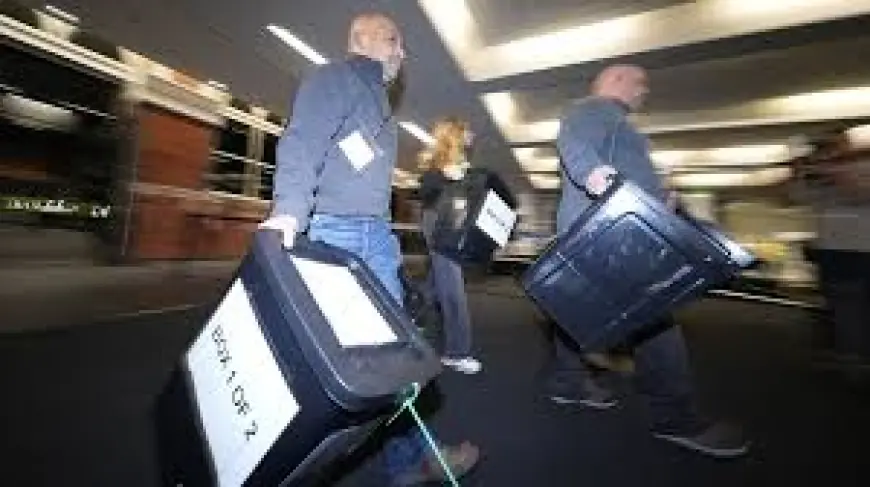
Democracy Volunteers deployed accredited observers in the Gorton and Denton byelection and collected data illustrating what is family voting on polling day: the group said it saw 32 cases of apparent collusion, the highest levels in its 10-year history, prompting party calls for evidence and further scrutiny.
What Is Family Voting
Democracy Volunteers, founded by Dr John Ault and supported by Conservative peer and psephologist Prof Robert Haywood, sent four accredited election observers across the constituency to watch for people appearing to collude on votes — a practice the organisation calls "family voting" — and to monitor the impact of the voter ID requirement on issuing ballot papers.
Observers’ movements and the scale of what they saw
The observing team attended 22 of the 45 polling stations while polls were open, working in pairs and spending between 30 and 45 minutes in each location. In that sample the team said they observed family voting in 15 of the 22 polling stations and reported 32 cases of apparent collusion in total, with nine cases recorded in one polling station alone.
Observers watched a sample of 545 voters casting votes and said 12% of those voters either directed or were affected by family voting. The organisation noted that the Ballot Secrecy Act enacted in 2023 made family voting a clearer breach of the secret ballot, but signage discouraging the practice was only seen in 45% of the polling stations observed.
How officials responded during polling
Manchester city council said its staff had been trained to look for evidence of voter interference and that no concerns had been reported or raised with them while the polls were open. Democracy Volunteers said it rarely issues a report on the night of an election, but that the data collected in this contest was extremely high compared with other recent byelections.
Comparisons with other byelections and party reactions
The group contrasted Gorton and Denton with a recent Westminster parliamentary byelection in Runcorn and Helsby, where it said family voting appeared in 12% of polling stations and affected 1% of voters. Democracy Volunteers said its observations in Gorton and Denton equated to family voting in 68% of the polling stations they attended, affecting 12% of the voters they observed.
Labour described the reports as "extremely worrying and concerning. " Anna Turley, the Labour party chair, said: "That's not what we want to see in our democracy. So obviously we need to see the evidence and the report, and then make due decision about what authorities should look into this. " Zack Polanski, the Green party leader, said he would back an investigation and added: "I think it's important that there's full transparency about the democratic process, and if the recommendation is that there should be an inquiry or further steps then yes I'd support that. "
David Bull, the Reform UK chair, said: "Electoral fraud is a stain on democracy. " He added: "We would support reporting it and making sure that it's done in the spirit and fairness with the law. "
Other irregularities observers recorded
Volunteers also observed cases of voters being turned away; they said in every instance this was due to voters not being registered to vote in Westminster elections — for example, if they held EU citizenship and were eligible only to vote in local elections. The observers reported seeing voters taking photographs of their ballot papers, and noted one person being authorised to vote despite them already — unclear in the provided context.
Ault said: "Today we have seen concerningly high levels of family voting in Gorton and Denton. Based on our assessment of today’s observations, we have seen the highest levels of family voting at any election in our 10-year history of observing elections in the UK. " He added that when compared with other recent byelections the data collected was "extremely high. "
Labour has said it will wait to see the evidence and the full report before deciding what authorities should examine. It is unclear in the provided context what formal investigations or next steps officials will take beyond the organisation's assessment and the parties' statements about examining the evidence.