



Nfl Combine Day One: Ohio State Duo Sonny Styles, Arvell Reese Force Fast Reappraisal of LB/Edge Group

Who feels the impact first: prospects and the teams weighing them. With college football now complete, the 2026 nfl combine arrives as a last, high-visibility chance for players to change draft narratives—through interviews, timed drills and measurements that move board placements in real time. Thursday’s session handed an immediate jolt: two Ohio State defenders flashed elite speed and leaping ability that will be absorbed by general managers and scouts this week.
Immediate effects on draft perception and roster evaluations
Here’s the part that matters: when late-February drills produce unusually fast times and standout measurements, the ripple hits position rankings immediately. Teams that have tracked film now have hard, comparable numbers to reconcile with on-field tape. Some prospects arrive at the event knowing draft fate is secure; others can see status rise sharply after a single physical display. Thursday’s results handed a clear boost to several names while presenting new questions for evaluators.
Nfl Combine schedule, coverage window and venue details
The 2026 event runs across a multi-day window; the overall dates are Feb. 23 through March 2, with on-field workouts specifically scheduled from Feb. 26 through March 1. Live coverage of drills runs from 3 p. m. ET on Thursday, Feb. 26 until 5 p. m. ET on Sunday, March 1. The combine is staged at Lucas Oil Stadium in Indianapolis, where the event has been held annually since 1987. Drills, position work and press conferences will be disseminated on national broadcast and streaming partners and include position-specific sessions in addition to the primary testing.
Thursday highlights: times, jumps and who stood out
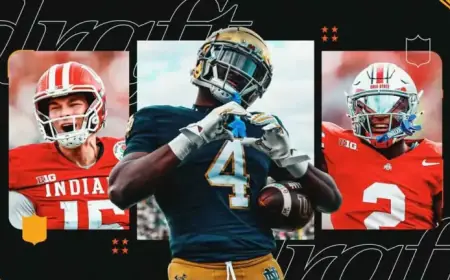
Thursday’s on-field workout produced a series of headline performances led by Ohio State linebacker Sonny Styles and Ohio State edge rusher Arvell Reese. Both former teammates finished with official 40-yard dash times of 4. 46 seconds, tied for the fastest time of the day among linebackers, edge rushers and defensive linemen. There were unofficial attempts recorded at 4. 47 seconds for each player—Styles matched Reese with a 4. 47 unofficial time on his second attempt—and the day featured both the 4. 46 official marks and 4. 47 unofficial attempts in the results set.
Styles also placed near the top of the group in both the vertical jump and the broad jump, amplifying the effect of his timed speed. Other notable Thursday performers included Florida defensive tackle Caleb Banks, Texas Tech edge David Bailey, UCF edge Malachi Lawrence and Oklahoma defensive tackle Gracen Halton.
- Official fastest 40-yard dash among LBs/edges/DLs: Sonny Styles and Arvell Reese — 4. 46 seconds.
- Unofficial attempt times referenced at 4. 47 seconds for both Styles and Reese.
- Styles: near the top in vertical jump and broad jump.
- Additional standouts: Caleb Banks (DT), David Bailey (Edge), Malachi Lawrence (Edge), Gracen Halton (DT).
Invitees, measurements and roster items to track
The combine field includes many of college football’s top prospects; the roster of invitees cited names such as Fernando Mendoza, Jeremiyah Love, Arvell Reese and Sonny Styles. Organizers extended invitations to a total of 319 prospects for this year’s event. Position-specific drills supplement the standardized tests and are part of the week’s evaluations.
Certain measurements and attendance notes from early sessions will factor into draft chatter: Miami edge Rueben Bain Jr. had arm length measured at 30 and 7/8 inches on Thursday, and at least one prospect—Jermod McCoy—was noted as skipping on-field drills in Indianapolis. Analysts and columnists have already produced stock reports and quick takeaways based on Day One; named evaluators and writers have begun to parse who boosted or harmed their draft standing.
Week timeline and the remaining position groups
Workouts continue across the weekend with position groups assigned to specific days: tight ends and defensive backs on Friday; quarterbacks, wide receivers and running backs on Saturday; and offensive linemen scheduled for Sunday. The on-field window is Feb. 26–March 1 inside Lucas Oil Stadium, while the broader event calendar runs Feb. 23–March 2. Live television and streaming windows run through the weekend coverage block noted earlier.
- Event dates: Feb. 23–March 2 (on-field workouts Feb. 26–March 1).
- Location: Lucas Oil Stadium, Indianapolis.
- Remaining position days: Friday (TEs, DBs); Saturday (QBs, WRs, RBs); Sunday (OL).
- Invited prospects: 319 total.
Analysts have already flagged individual storylines: one mock draft projected Arvell Reese as high as No. 4 overall, while commentators noted David Bailey’s impressive work and raised questions about prospects who skipped drills. The Ravens safety Kyle Hamilton publicly criticized a broadcast partner’s split-screen comparison of his profile with Sonny Styles, posting about the on-air presentation on Feb. 27, 2026.
What’s easy to miss is that the day combined both official results (4. 46) and unofficial attempts (4. 47) for the same players—those small margins matter to teams weighing measurables against film. The real question now is how clubs reconcile these numbers with interviews and position-specific drills later in the week; follow-up testing and conversations will be the clearest signal of whether Thursday’s bursts translate into sustained draft movement.
A brief aside from the desk: these comps and times will matter most where teams see positional fit, not just raw speed—expect staff notes and private conversations to shape the next wave of rankings.