
















Elmina Aghayeva Released After Mamdani Raises Case With Trump, University and DHS Clash Over Arrest

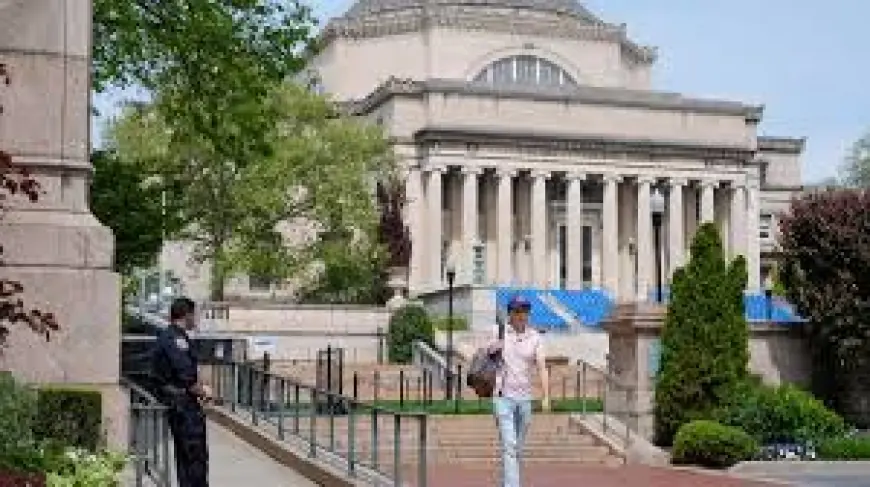
Columbia University student elmina aghayeva was freed hours after federal immigration agents detained her in an off-campus residence, a release that followed an intervention by New York City Mayor Zohran Mamdani during a meeting with President Donald Trump. The arrest and rapid reversal have intensified campus protests and produced sharply different accounts from university leaders and the Department of Homeland Security.
Elmina Aghayeva’s Release After Mamdani-Trump Meeting
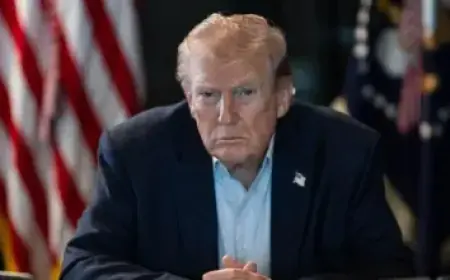
Mayor Zohran Mamdani said he raised concerns about the student during an unrelated meeting with President Trump, who then agreed that she should be released immediately. Shortly after Mamdani’s statement on social media, the student identified as Elmina Aghayeva posted to Instagram saying she had just been released, that she was "safe and okay, " and that she was in an Uber on the way home. The student also wrote that she was being inundated with calls from reporters and needed time to process the experience.
Campus Arrest and Entry to Residential Building
Columbia officials and lawyers for the student say federal agents gained entry to an off-campus Columbia residential building by stating they were searching for a missing child. The acting president of the university, Claire Shipman, said security cameras captured five federal agents in the hallway shortly after 6 a. m. and that agents displayed pictures of an alleged missing child as they moved to the student’s apartment. A public safety officer repeatedly asked for a search warrant and whether he could call his supervisor; Shipman said the agents did not produce a warrant and declined the request.
DHS Statements, Visa History and Identification Disputes
The Department of Homeland Security identified the detainee as Elmina Aghayeva and said her student visa had been terminated in 2016 for failing to attend classes. DHS added that the building manager and the student’s roommate let officers into the apartment and that she had no pending appeals or applications with the agency. Tricia McLaughlin, named as a DHS spokesperson in one account, denied allegations that agents impersonated New York City police officers and did not answer questions about whether agents had claimed to be seeking a missing person. In a separate DHS statement, Homeland Security Investigations said agents verbally identified themselves and visibly wore badges and would not have identified themselves as NYPD.
Student Background, Legal Filings and Social Media Posts
University and legal filings say the student entered the country on a visa in or around 2016; attorneys for the student declined to provide further comment on immigration status. The university described the detainee as a senior from Azerbaijan studying neuroscience and politics who has a large social media following as a self-described content creator. The student’s initial social media message after the arrest said, "DHS illegally arrested me. Please help, " and a photo posted with that message appeared to show her legs in the backseat of a vehicle. The student’s lawyers filed a petition challenging the circumstances of the arrest.
University Reaction and Security Protocol Concerns
Claire Shipman called the incident "frightening and fast-moving" and said misrepresenting identity to gain access to residential buildings breaches protocol and legal and ethical standards. She also emphasized that the university has not assisted DHS or ICE in arrests of students. The episode prompted protests on campus and allegations that agents had entered a university-owned residence under false pretenses.
Political Context and Broader Stakes
Mayor Mamdani, who met with the president while pitching a large housing project, also pressed Trump to drop cases against several current and former students facing deportation for their roles in protests against Israel. The arrest was described in reporting as the first federal enforcement action at Columbia since the university reached an agreement to pay more than $220 million to the administration over the summer. What makes this notable is the rare, high-level political intervention that immediately altered the operational outcome of a federal enforcement action.
The provided context includes a truncated quote fragment, "It’s a horrifying sign that the roving eye of the administration is turning back to Co", and a second truncated line ending "Following Aghayeva’s detention, fri" that are unclear in the provided context.