

























Hillary Clinton and the Unclear Stakes After a Burst of Epstein Deposition Headlines

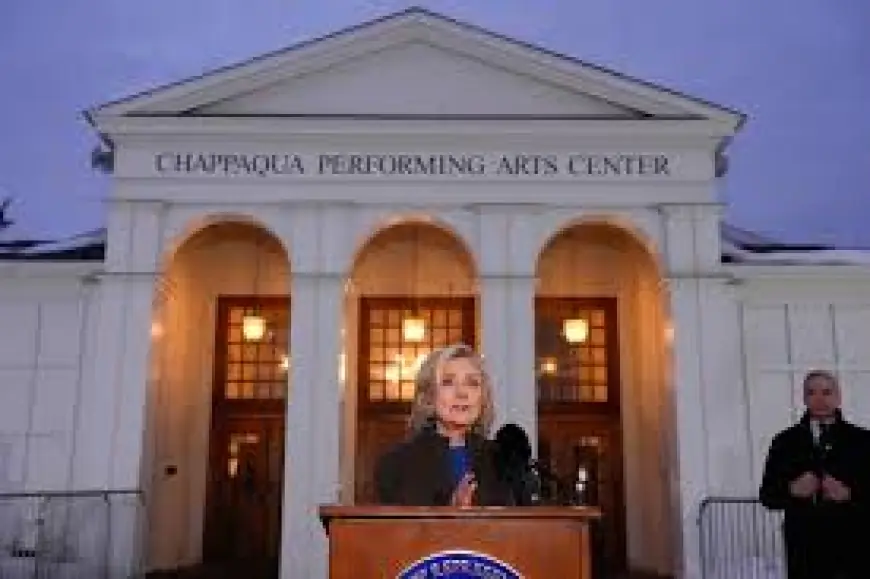
Why this matters now: rapid, overlapping headlines about depositions have created immediate uncertainty around both legal posture and political narrative for Hillary Clinton. The three recent items in circulation — a denial of prior knowledge, a note that five topic areas were agreed for the depositions, and a characterization of the process as "political theater" — shift attention to what remains unresolved and how fast perceptions can change.
Risk and uncertainty: the practical gap between headlines and clarity
There is an evident mismatch between public reaction and the concrete record available in these items. The principal risk is reputational volatility — public impressions can turn quickly from neutral to consequential while the factual record stays incomplete. The real question now is which unanswered details, if clarified, would materially change legal exposure or political fallout.
Hillary Clinton’s posture in the coverage
One headline centers on a firm denial: Hillary Clinton denies knowing Epstein or his crimes in what is described as a tense deposition. Another headline records her dismissing her deposition as partisan "political theater, " aligning a public posture of repudiation of the process. Those two elements frame how Clinton is presenting herself publicly in response to deposition-related scrutiny.
What the depositions are said to include
Separated from tone, one item highlights structure: the depositions involved an agreement on five topic areas the Clintons would discuss. The precise five areas are unclear in the provided headlines; the available fact is only that five topic areas were agreed to for the depositions. That structural point matters because it signals a bounded scope for questioning rather than an open-ended inquiry.
Recent headline timeline (coverage timestamps)
- One item with the denial and tense deposition language was published 30 minutes ago.
- A separate piece noting the five agreed topic areas for the Clintons’ depositions was published yesterday.
- Another item in the same cycle, describing the deposition as GOP "political theater, " was published 10 minutes ago.
It’s easy to overlook, but the close timing of these pieces — yesterday, then two items within the last hour — intensifies uncertainty because public perception can harden before new facts arrive.
What could shift next and how to judge it
The most important shifts will come from added factual detail: clarification of the five topic areas, fuller records of deposition exchanges, or further statements that expand or narrow the positions already stated. Absent those, the current landscape remains dominated by assertion and tone rather than settled information.
- Denial of prior knowledge and crimes was emphasized in one recent depiction of the deposition; the tone there was described as tense.
- Another entry establishes that five topic areas were agreed for the depositions involving the Clintons; the exact topics are unclear in the provided material.
- A separate item captures a dismissal of the deposition as GOP "political theater, " signaling a framing choice by Hillary Clinton.
- The three items appeared across a short window: yesterday and then twice within the past hour, increasing the speed of public reaction.
Here’s the part that matters: until the five topic areas and deposition transcripts are visible or summarized, analysts will be reading tone and timing rather than concrete new evidence. What's easy to miss is how quickly narrative momentum can form in that vacuum.
Writer's aside: these pieces together illustrate how coverage cadence can create risk even when substantive content remains limited; timing and framing often outpace confirmable detail.