













Dunblane Tapes review – deeply moving film lays bare parents’ grief 30 years after tragedy

The new documentary The Dunblane Tapes revisits the dunblane school shooting and the long, intimate aftermath experienced by bereaved families. Built around home video made by a devastated father, the film centres on private grief, everyday fragments of life and the way a campaign born from that suffering reshaped national law. It airs tonight at 9pm.
Dunblane Tapes documentary and its focus
The Dunblane Tapes is framed around unseen footage captured by John Crozier after the school attack. Crozier, who lost his five-year-old daughter Emma, documented gatherings of bereaved parents, ongoing family life and conversations with his friend Les Morton, who also lost a five-year-old daughter, Emily. The film is timed to mark the 30th anniversary in March and deliberately retells events quietly and without sensationalism.
How the massacre unfolded
On 13 March 1996 a man called Thomas Hamilton, aged 43, entered Dunblane Primary School with four handguns and 743 rounds of ammunition. He opened fire on children who were skipping in the gym hall. Some victims were shot at point-blank range after earlier bullets had incapacitated them. The attack lasted just under four minutes. Sixteen children were killed, alongside their teacher Gwen Mayor; a child who was critically wounded later died on the way to hospital. The perpetrator killed himself following the massacre. The attack remains the deadliest atrocity involving firearms carried out in the UK.
Personal accounts captured on the tapes
Crozier’s material records the small, stark moments that followed: parents running down streets toward the school, some still in slippers; groups gathering to wait for news; an officer bowing his head as bad news arrived. Journalistic recollection in the film includes a memory of a motorist covering her mouth in horror after hearing news on the car radio. Crozier’s footage also shows the inside of grief—his dark-haired anguish, the daily return of his daughter’s face to his mind and the strained, almost disbelieving way survivors described the day.
Les Morton, captured in present-day footage sitting alongside Crozier, recounts how he was interrupted during a meeting and told there had been a shooting. He and Crozier speak of the persistent, living quality of loss: what appeared to be a frozen photograph of a child instead feels like an ongoing, moving image. Morton's account conveys the continuing shock and anger; he articulates a daily venomous sense that his child is gone and will never be seen again.
Teachers, survivors and a near miss for the Murray family
Deputy headteacher Fiona Eadington appears in the documentary and speaks publicly for the first time. She describes singing with pupils to distract them from the horror around them and the depth of guilt she still feels that she could not protect the five- and six-year-olds. Eadington recalls that the morning was frosty and that her car would not unlock—only the boot would open, so she got into the car through the boot. It had been an infant assembly morning with Easter hymns and the assembly had finished just before half past nine. She was one of the first people on the scene in the gym in the aftermath.
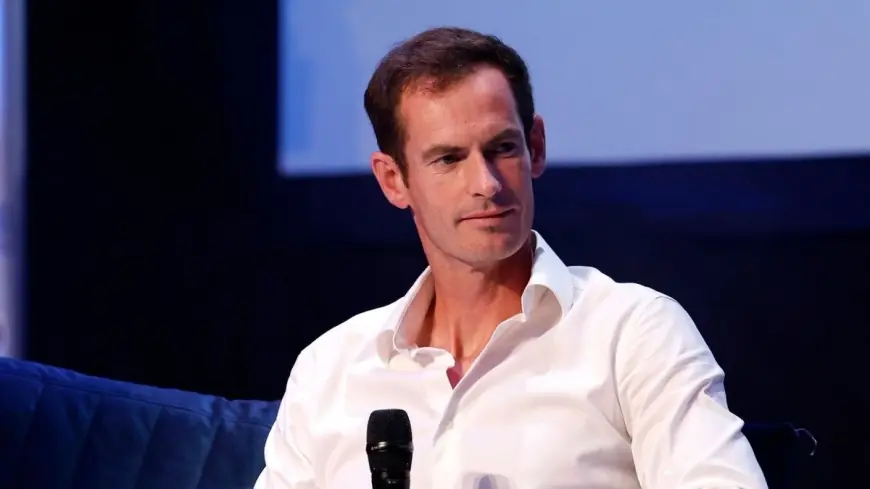
The Murray family lived in Dunblane at the time, and both Jamie and Andy Murray were in primary school. Their mother, Judy Murray, remembers how close Andy had come to the victims: his class had been on the way to the gym when they heard the noise. Someone went ahead to investigate, returned and told the children to go to the headmaster’s and deputy head’s studies, to sit below the windows and to sing songs. Teachers and dinner ladies contained and fed the children and led them out without their being aware of what had happened. Judy recalls driving to the school in fear that she might not see her children again, describing the scene as shocked and quiet—this was before mobile phones and there had been no immediate flow of information.
Family fragments and the campaign that followed
Crozier’s tapes also show the quieter continuities of life after loss: bewildered siblings, the arrival of new children, and small domestic moments. The film includes Emma’s three-year-old brother, Jack, making fairy cakes with his grandmother and talking about wanting to grow up to be “a big baker. ” Other bereaved parents appear, including Mick North, who lost his five-year-old daughter Sophie and who had lost Sophie’s mother to illness three years earlier.
The personal stories in the film are interwoven with the emergence of collective action. Bereaved parents launched what became known as the Snowdrop Petition—the name drawn from the flowers that were the only ones blooming in Dunblane in early March when the children died. That campaign helped lead to a complete ban on private handguns and to greater restrictions on other firearms in the UK, a lasting change that the documentary examines as part of the legacy of the massacre.
The Dunblane Tapes lingers on grief and the minutiae of surviving life after unbearable loss, offering intimate testimony from parents, teachers and witnesses while tracing the campaign that reshaped national policy. For viewers, the film is a study of mourning that also asks how public tragedy can produce sustained political change.