




















Collin Gillespie: Why Pistons fans should be quietly excited about a low-cost breakout guard

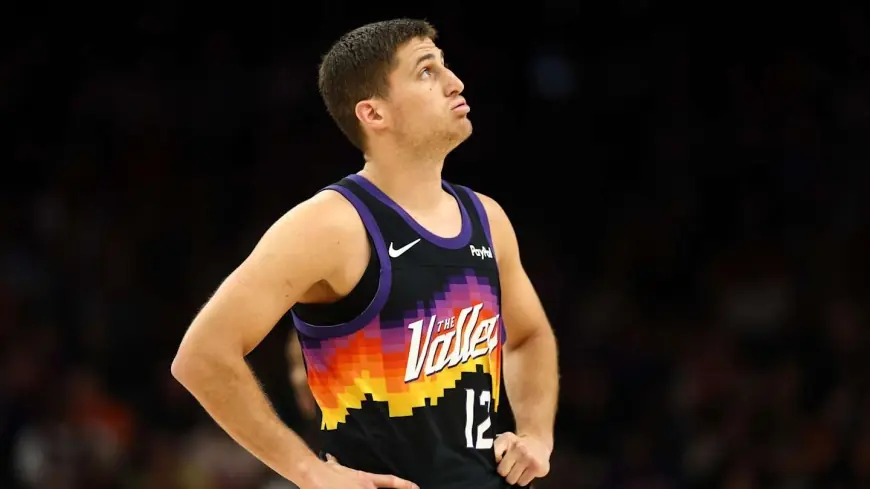
The immediate impact here is tactical: collin gillespie has developed into a starter-level guard on an expiring, team-friendly contract, a profile that would directly relieve pressure on top scorers. For Pistons supporters focused on balancing offensive load and roster flexibility, his combination of shooting, defense and playmaking this season makes him an intriguing offseason target — and one that hasn’t dominated the headlines.
What this means for Detroit’s backcourt approach: Collin Gillespie as fit and relief valve
Here’s the part that matters: the Pistons’ offense drops notably when their star is off the court, creating a concrete need for a secondary creator and reliable shooter. The context supplied shows Gillespie can start and deliver across multiple categories while drawing a modest salary this season, which is exactly the kind of roster addition that could reduce usage pressure on the team’s primary playmaker without sacrificing defense or spacing.
- Gillespie’s contract status: expiring and unrestricted, making him available on the open market.
- Salary context: he earned a relatively low salary this season, creating potential value for a suitor seeking efficient minutes.
- Role fit: described attributes include shooting, playmaking, and solid defense, traits commonly sought for a supporting or backup point guard.
Performance and roster mechanics (embedded details)
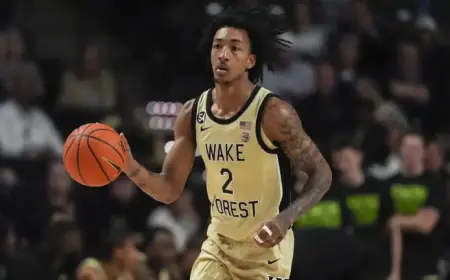
Gillespie’s jump in usage and output is spelled out across two seasons. In the earlier stretch, he averaged 5. 9 points, 2. 4 assists, 2. 4 rebounds and 1. 2 three-point field goals made in 14. 0 minutes across 33 appearances. This season he has moved into a starter’s role, logging 58 appearances with 39 starts, averaging 28. 3 minutes, 13. 4 points, 4. 7 assists, 4. 1 rebounds, 1. 4 steals and 3. 0 three-point field goals made, on. 431/. 420/. 843 shooting. Teams are measurably better with him on the floor: the Suns were 6. 8 points per 100 possessions better when he was playing than when he wasn’t.
The financial side is laid out too: his current salary is modest this season, and the expectation in coverage is that he will be able to command a substantially larger contract on the open market. Mechanisms that could affect re-signing dynamics are noted — the possibility of using Bird Rights or opponents using a mid-level exception — while the team currently housing him faces several large upcoming salary commitments.
- Key takeaways:
- He provides starter-level minutes and shooting that would address spacing concerns.
- His defensive impact is highlighted as complementary to his offensive gains.
- Contract timing turns him into a free-agent target rather than a trade acquisition.
- Cap factors on his current team could make retaining him difficult, increasing the odds he tests the market.
It’s easy to overlook, but the combination of improved on-court value and an expiring, low-cost contract is a textbook scenario for teams needing plug-and-play backcourt help without sacrificing future payroll flexibility.
The real question now is whether a team with a clear usage imbalance will act on an available, affordable guard who has already shown he can start — and whether the player will prefer a short-term pay bump or a longer commitment elsewhere. If you’re wondering why this keeps coming up for Pistons watchers, it’s because the fit addresses a quantifiable drop in offensive rating when the primary star isn’t on the floor.
Micro timeline (seasonal snapshot):
- Prior season snapshot: 33 appearances, 14. 0 minutes per game with modest counting stats.
- Current season shift: 58 appearances, 39 starts, 28. 3 minutes and clear increases across scoring, assists, rebounds and steals.
- Contract horizon: deal expires this summer, leaving him an unrestricted free agent headed into the offseason.
One practical signal that would confirm a pivot toward a new team: a clear spike in reported interest tied to offers using a mid-level exception or a multi-year contract structure. Conversely, a team using Bird Rights could keep him in house if they prioritize retaining that particular blend of shooting and defense.
For Pistons-minded readers, the implication is straightforward: collin gillespie combines on-court gains with roster economics that make him worth monitoring this offseason. Whether the front office acts will depend on how they value immediate relief for their primary scorer versus long-term roster construction.