



















Jeff Galloway, Olympian and Pioneer of Run-Walk Method, Dies at 80

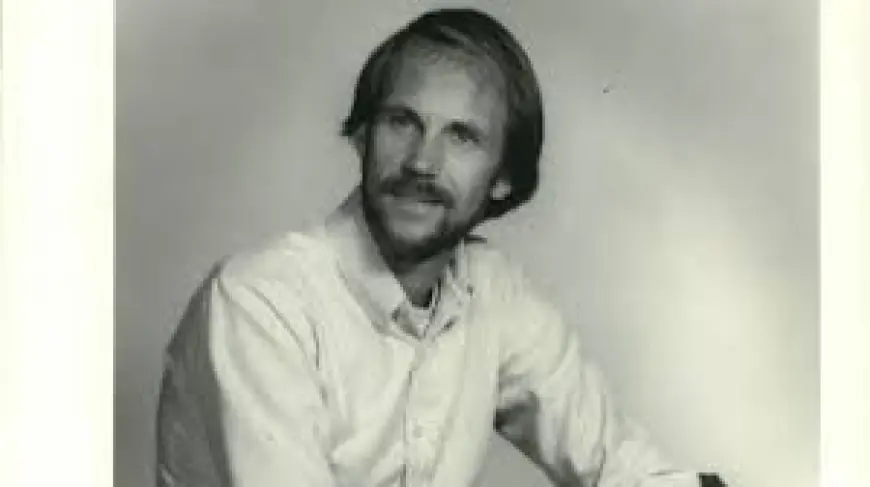
Jeff Galloway, an Olympian whose training approach reshaped recreational and competitive distance running, has died at 80. The announcement has drawn near-immediate coverage: published its account 20 hours ago, and both The Washington Post and published reports about 1 hour ago.
Jeff Galloway’s death at 80
Galloway’s death was announced in a cluster of obituaries that emphasized his status as an Olympic athlete and his age: he was 80. The timelines of publication underline how quickly the story circulated, with one major sports outlet posting a notice 20 hours after the event and two national newspapers carrying pieces roughly 1 hour ago.
Run-walk method and the 'Jeffing' technique
Galloway is identified as a pioneer of the run-walk method, a training and racing approach that he promoted widely. That method is directly connected to a technique referenced in coverage as 'Jeffing'—a term used to describe practices inspired by his approach. The causal link presented in recent coverage is clear: his advocacy of the run-walk method led to the adoption and naming of a technique that bears his influence.
Coverage by, The Washington Post and
Three distinct outlets published accounts of Galloway’s death:, which posted 20 hours ago; The Washington Post, which published about 1 hour ago; and, which also published around 1 hour ago. Each headline emphasized overlapping aspects of his life and work—his Olympic past, his role as a pioneer of the run-walk method, the emergence of the 'Jeffing' technique, and his influence on American distance running—creating a consistent public narrative within hours of one another.
Legacy in American distance running
Coverage framed Galloway as an Olympian who transformed American distance running. Reports linked his techniques and public profile to a measurable shift in how runners train and compete, portraying the run-walk method and the technique called 'Jeffing' as key elements of that transformation. What makes this notable is the way a single training philosophy crossed from competitive athletics into broad recreational practice, creating an identifiable technique that carries his name.
The combined descriptions in the recent headlines and coverage present a concise portrait: an Olympic runner who became a prominent advocate for a particular training method, inspiring a named technique and, in the view of national outlets, helping to change the face of distance running in the United States. The near-simultaneous publication schedule—one sports outlet 20 hours after the event and two national newspapers about 1 hour ago—underscores how quickly that portrait was shared and reinforced across major media organizations.
Details not specified in the recent accounts remain unclear in the provided context.