
























U.S. Mortgage Rates Fall Below 6% for First Time in Years

Mortgage rates have dipped below 6% for the first time since 2022, a move that pushed long-term borrowing to its lowest level since February 2023. Jeff Flock reports the change as President Donald Trump pushes efforts to make homeownership more affordable on 'Varney & Co. '
Mortgage Rates and Consumer Response
Even with mortgage rates sliding just below the 6% mark, many American homebuyers are not retreating. A separate headline read: "Homebuyers refuse to back down as mortgage rates continue hovering stubbornly near 6% mark. " New home sales remain higher than year-ago levels, and a massive surge in refinancing suggests homeowners are seizing any slight dip in borrowing costs.
Sales and Pricing Data
Recent Census Bureau data show new home sales dipped slightly by 1. 7% in December, yet annual sales outpaced 2024 levels by nearly 4%. The median price tag for a new build jumped to $414, 400 last month. Housing supply currently sits at 7. 6 months, and analysts note that anything over six months typically cues a buyer's market.
Refinance Surge and Lock-in Effect
The Mortgage Bankers Association reported that refinance applications were 150% higher than the same week last year and up 4% from the previous week. That surge appears to be driven in part by homeowners who bought at 7% or 8% and are racing to lower their monthly overhead. StreetMatrix real estate analyst Jonathan Miller said the growth in mortgage demand reflects the gradual erosion of the lock-in effect, which began in early 2022 with the Fed pivoting to higher interest rates. He added that rising inventory in many markets has brought more choices to consumers and slowed home price growth.
Builders and the Custom Market
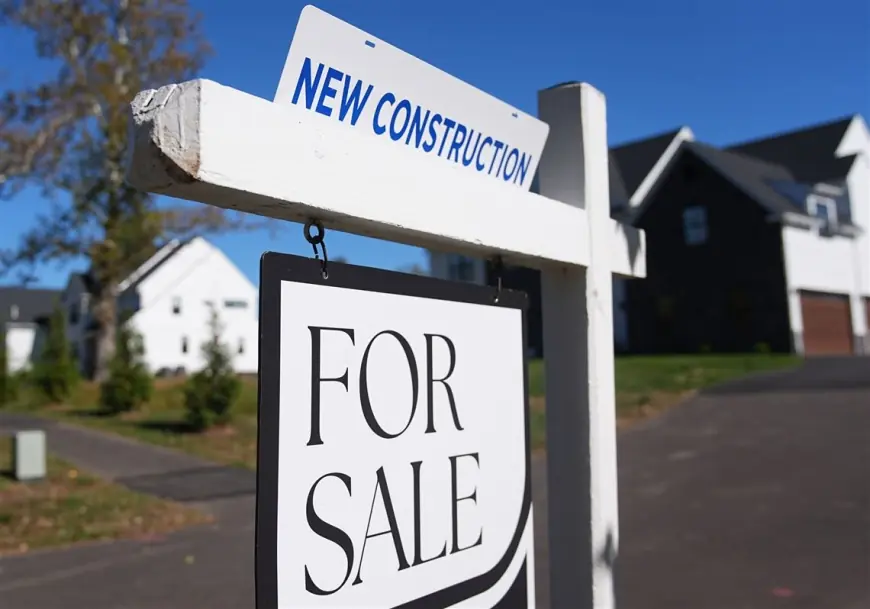
Palm Beach-based RWB Construction Management’s Robert Burrage warned that the existing home market remains constrained by the lock-in effect, with many owners unwilling to trade a 3% mortgage for a 6% one. Burrage said new construction has been more agile in stimulating demand. He noted that because his company builds exclusively for end users, not as a spec developer, their pipeline looks very different from the national new home sales data.
"When a custom home starts, it’s typically tied to a committed client who has already secured financing or is paying cash, " Burrage said, explaining that this removes much of the speculative risk. He added that even if new home sales tick down nationally, that does not necessarily translate into excess inventory in the true custom segment; these homes are being delivered to committed buyers rather than sitting on the market.
Coverage Notes and Legal Details
Jeff Flock reported mortgage rates falling to their lowest level since February 2023 as President Donald Trump pushed efforts to make homeownership more affordable on 'Varney & Co. ' The broader reporting package included a market-data note that quotes may be displayed in real-time or delayed by at least 15 minutes. Market data were provided by Factset and marked as powered and implemented by FactSet Digital Solutions. The material carried a legal statement that it may not be published, broadcast, rewritten, or redistributed and included a ©2026 Network, LLC. All rights reserved. notice alongside references to an FAQ and a New Privacy Policy.
Market Mood and Takeaway
Analysts and industry participants describe the current market as one in which buyers are adapting to a new normal in borrowing costs. Jonathan Miller observed that while many potential homebuyers still hope for a sharp fall in mortgage rates, there is growing recognition they will not return to the rock-bottom levels that followed the pandemic and that home prices are only getting higher. "The existing home market… remains constrained by the lock-in effect, " Robert Burrage said, underscoring why new construction and refinancing activity are drawing attention.
Another headline in recent coverage put the development plainly: "For the first time since 2022, average U. S. long-term mortgage rate dips below 6%. " The data and commentary together paint a market responding to a modest easing in rates even as structural forces like the lock-in effect and high prices shape buyer behavior.