






















US Pulls Global Economy Into Turbulent Waters


The recent rise in US inflation signals troubling trends ahead for the global economy. Last week, the inflation rate surged dramatically, coinciding with heightened geopolitical tensions in the Persian Gulf. The driving force behind this unrest is the blockade of the Strait of Hormuz announced by President Donald Trump. This decision threatens to significantly disrupt oil supply routes critical to numerous countries, including the US.
Impact of the Blockade on Oil Supply
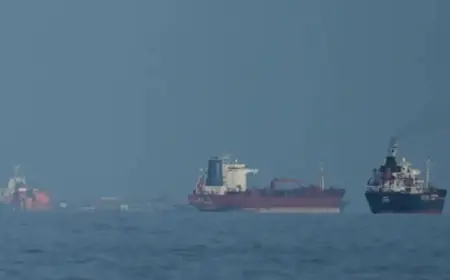
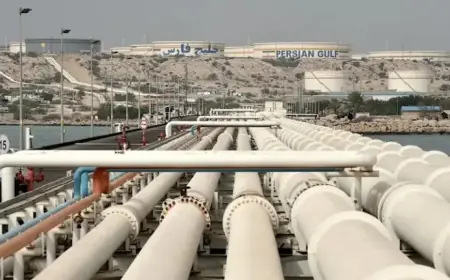
As tensions escalate, the United States Navy has begun enforcing a blockade on the Strait of Hormuz. This strategic passageway is vital for oil transportation, with Iran allowing a limited number of barrels to flow through, predominantly destined for countries like China and India. Trump’s announcement stated that any Iranian attempts to undermine this blockade would be met with severe retaliation.
- The blockade may affect a few million barrels of oil daily, primarily impacting global energy markets.
- Before the blockade, crude oil prices had already seen considerable fluctuations, notably jumping from approximately $70 to over $100 per barrel.
- Brent Crude prices rose nearly $7 after negotiations in the region failed, now exceeding $102 per barrel.
The Inflation Surge
The acceleration in inflation was marked by a 0.9% increase in consumer prices between February and March. This jump brought the annual inflation rate to 3.3%, significantly influenced by rising energy costs. Excluding food and energy, the core inflation rate only increased by 0.2%, reflecting a persistent issue above the Federal Reserve’s target.
- Consumer confidence has plummeted, evidenced by the University of Michigan’s consumer sentiment index dropping to 47.6.
- Gasoline prices surged from an average of $2.91 to $4.12 per gallon, while diesel prices jumped from $3.76 to $5.66 per gallon.
Global Economic Effects
The situation is not just a domestic issue for the United States. Import-dependent economies in Asia, Europe, and even resource-exporting nations like Australia are feeling the impact. The blockade is expected to disrupt the flow of fertilisers, crucial for global agriculture, thus affecting both supply availability and costs.
As the International Monetary Fund and the World Bank prepare for their semi-annual meetings, projections for the global economy look bleak. Slower growth rates and potential stagflation loom large, largely due to the energy sector’s turmoil.
Future Outlook
Ultimately, the ramifications of the blockade and the ensuing oil crisis will ripple across the global economy. The Federal Reserve may be faced with tough decisions regarding interest rates, potentially inhibiting economic growth. With rising energy prices and rampant inflation, households will bear the brunt of these policies, complicating the outlook for the upcoming midterm elections.
The current trajectory suggests that the US is not just navigating its own turbulent waters, but is leading the global economy into increasingly choppy seas. With critical decisions ahead, the effects of these geopolitical developments will be felt far beyond American borders.