
























Blueberry Recall 2026: 55,689 Pounds Recalled — Who Faces the Health and Supply-Chain Hit

The blueberry recall 2026 matters because it exposes both vulnerable people and multiple business links to a life‑threatening contamination risk: 55, 689 pounds of Individually Quick Frozen blueberries have been flagged and the classification was raised to the most serious level, heightening public‑health and logistic implications for processors, distributors and downstream customers in several states and Canada.
Blueberry Recall 2026 — immediate impact on health and the supply chain
Who feels the effect first: consignees, processors and the most clinically vulnerable consumers. The recall’s upgrade to a Class I designation signals a reasonable probability that exposure could cause serious adverse health consequences or death, which places immediate pressure on businesses that handled the product and on clinicians seeing patients with compatible symptoms. Here's the part that matters: this is not a retail pull, so the early operational disruptions and consumer exposures will be concentrated where the product moved between businesses in the supply chain.
Event details and timeline of actions taken
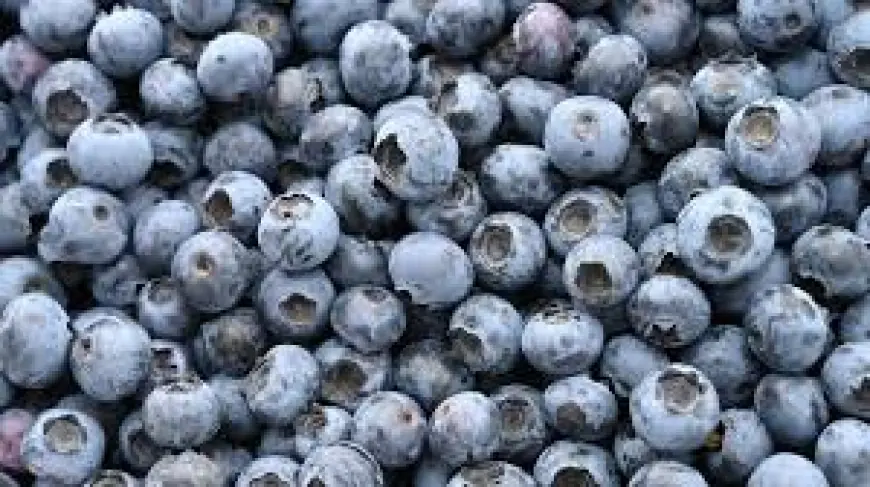
The recall was initiated by Oregon Potato Company on February 12, 2026, and regulators upgraded the notice to a Class I recall on February 24, 2026. The company — described as a family‑owned business in Salem that produces frozen and dehydrated potatoes, vegetables and fruits — flagged 55, 689 pounds of frozen Individually Quick Frozen (IQF) blueberries; another business name tied to the packed IQF product in the public notice is Willamette Valley Fruit Company. The recall remains ongoing and affected consignees were notified by email; the initial recall notification likewise was sent by email.
Packaging, lot codes and expiry details
- 30‑pound cases: packaged in polyethylene bags within corrugated cases (dual‑layered design); lot codes 2055 B2, 2065 B1 and 2065 B3; expiration dates listed from July 23, 2027 to July 24, 2027.
- 1, 400‑pound totes: packed in polyethylene liners within Gaylord totes (industrial bulk containers); lot codes 3305 A1 and 3305 B1; expiration/best‑by date November 25, 2027.
Where the product went and how exposures could occur
The recalled frozen blueberries were distributed to customers in Michigan, Oregon, Washington and Wisconsin and were also distributed in Canada. The notice clarifies the product was not sold directly to consumers in retail stores; it moved between businesses within the supply chain. It is unclear in the provided context whether consumers purchased the product through other commercial channels.
Health risks, symptoms and who is most vulnerable
The recall cites potential contamination with Listeria monocytogenes (L. monocytogenes). Exposure can cause listeriosis, a foodborne illness with a spectrum of presentations: milder, non‑invasive illness can include aching, fever, nausea, vomiting and diarrhea that may last up to three days; invasive disease can produce more severe neurologic signs such as confusion, loss of balance and convulsions and can be life‑threatening. Populations most at risk include pregnant people, adults over 65 and those with weakened immune systems. Anyone experiencing compatible symptoms is advised to consult a health care provider.
Mini timeline and immediate next signals
- February 12, 2026 — Oregon Potato Company initiated the voluntary recall.
- February 24, 2026 — Regulators upgraded the recall to a Class I (most serious) designation.
- Notifications to affected consignees were sent by email and the recall remains ongoing.
What could confirm the next turn: additional notifications expanding lot codes, lab confirmation of L. monocytogenes in product samples, or public guidance with consumer‑facing instructions would change response priorities.
What's easy to miss is the combination of a high‑risk pathogen paired with bulk industrial packaging: Gaylord totes and 1, 400‑pound containers mean a single contaminated batch can touch many downstream facilities quickly. That raises operational complexity for containment and tracebacks.
The real question now is whether downstream customers who received the product outside traditional retail channels will surface exposures or illnesses that prompt broader public guidance or consumer alerts.
Writer's aside: the jump from an initial notice to a Class I recall in less than two weeks underscores how regulators view the severity; supply‑chain partners and clinical providers should treat the recall as active and significant while details continue to emerge.